History & background
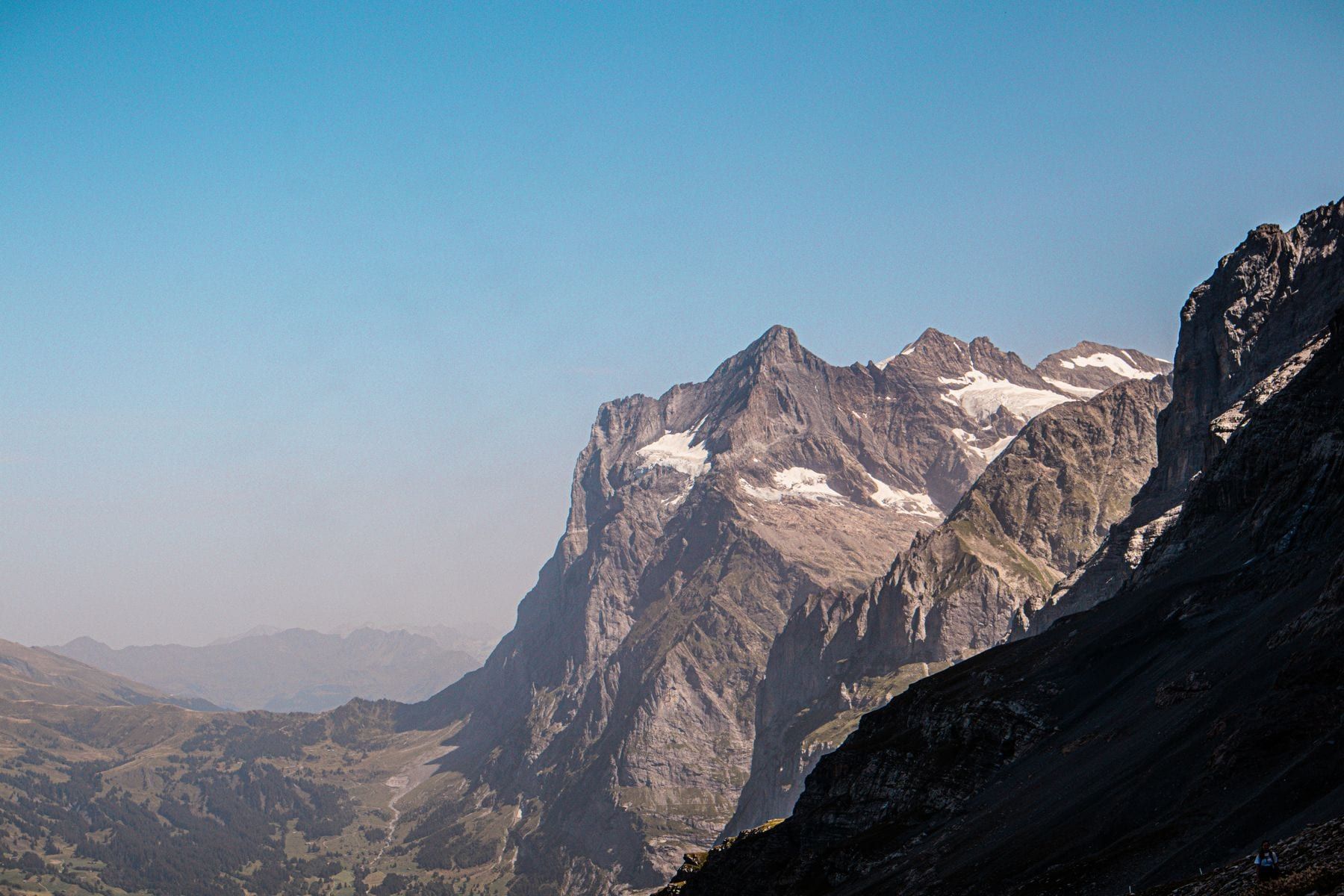
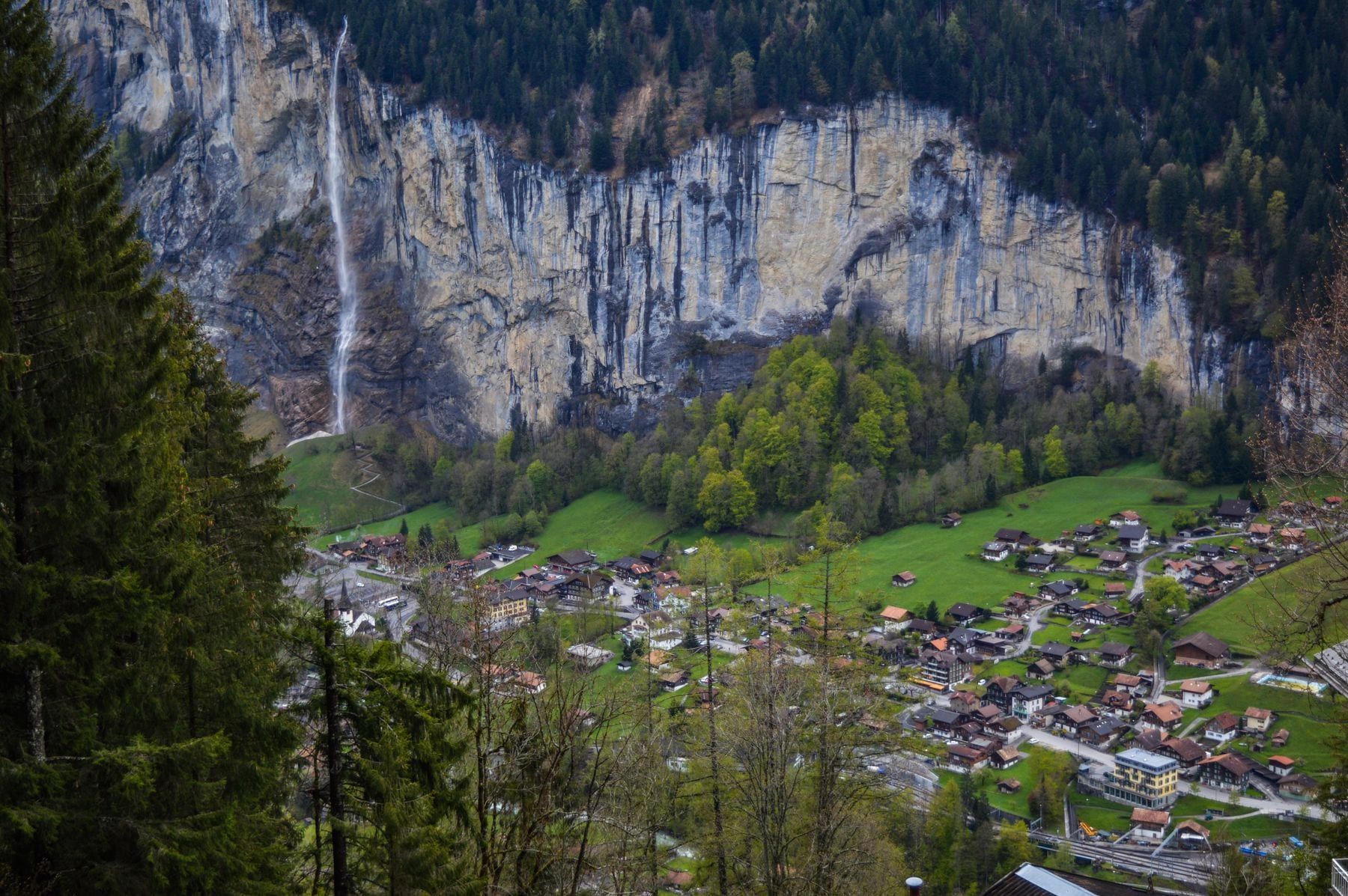
Grindelwald lies at a good 1,000 metres in a valley basin above which the north face of the Eiger rises 1,800 metres sheer, and this wall has shaped the history of the village. Walser and Oberland farmers settled here in the Middle Ages, Interlaken monastery held the manorial rights, and until the 18th century people lived from alpine farming and cheese. Then glaciers came into fashion: around 1850 the Lower and Upper Grindelwald glaciers reached almost down to the village, and English travellers came to touch the ice. The first inn opened in 1820, the Hotel Bär in 1850, and in 1890 the Bernese Oberland Railway brought guests straight into the village. In 1858 the Irishman Charles Barrington, with the Grindelwald guides Christian Almer and Peter Bohren, made the first ascent of the Eiger via the west flank, and Almer became the most famous mountain guide of his time. The Wengernalp railway to Kleine Scheidegg ran from 1893, the Jungfrau railway through the Eiger from 1912, the First lift, then the longest chairlift in Europe, from 1947. But the north face remained the "last problem of the Alps". In 1935 and 1936 eight climbers died on the face, among them Toni Kurz, who in 1936 froze to death hanging in the rope a few metres above his rescuers; the tragedy became a myth. On 24 July 1938 Anderl Heckmair, Ludwig Vörg, Heinrich Harrer and Fritz Kasparek climbed the face in three days. Today the record time is under three hours. The glaciers have retreated several kilometres since 1850, and the Lower Grindelwald Glacier can no longer be seen from the village. In 2020 the Eiger Express opened as the most expensive cable car in Switzerland, and Grindelwald, with around 3,800 inhabitants, counts more than a million overnight stays a year.