Hostel & Cafe Bar Backpackers Miyajima
Hostel on the mainland, three minutes from the ferry pier. Dorms and simple private rooms, shared kitchen, washing machine. Handy if you want to get onto the island early and eat in Hiroshima in the evening.
Japan · Chugoku & Shikoku · Travel guide
What a night on the shrine island really costs, when the torii stands in the water and when you can walk out to it, and why the island is a different place after 5 pm.
Photo: Niccolò Chiamori / Pexels
Adjust the values to your trip: the calculator updates live (EUR, converted from CHF estimates).
Estimates for orientation, not booking prices. Flights and hotels vary strongly by season: current prices are behind the links below.
Money & payment: You pay in yen (JPY). 1,000 yen is roughly CHF 6 or EUR 6.50. Cards work in cities and hotels; small restaurants, temples and rural stations often want cash. An IC card (Suica or ICOCA) on your phone pays for trains, buses and convenience stores. Flight time: 12 to 14 hours, usually with one stop.
Nine options in three price ranges, each among the best-rated on Booking.com.
Budget
Hostel on the mainland, three minutes from the ferry pier. Dorms and simple private rooms, shared kitchen, washing machine. Handy if you want to get onto the island early and eat in Hiroshima in the evening.
Small guesthouse on the island in an old wooden house, a few tatami rooms, shared bath, warm hosts. The cheapest way to be on the island after 5 pm.
Simple ryokan a few steps from the pier, Japanese-style rooms, plans with and without meals. Not chic, but clean and five minutes' walk from the shrine.
Mid-range
Large hotel right behind the shrine with Japanese and Western rooms, an onsen bath and a kaiseki dinner with oysters. Popular with Japanese families, reliable, not intimate.
Right on the promenade between the pier and the shrine, many rooms with sea views, an onsen bath looking out at the torii. Dinner with fish from the Seto Inland Sea. The best location for the illuminated torii.
Small ryokan on the slope with a view down onto the shrine, pagoda and torii, especially at breakfast. Ten minutes uphill from the pier, luggage transfer available. Quiet and personal.
Luxury
The island's ryokan since 1854, in the maple valley at the foot of Misen, with annexes from the Meiji era, an onsen and a kaiseki built around oysters and conger eel. In November the most beautiful place in Japan, but then book a year ahead.
Modern design ryokan on the main street with a rooftop bath and a view of the torii, spacious rooms in wood and tatami, dinner in house. Less traditional than Iwaso, but central and comfortable.
The hotel of the 2023 G7 summit, on a peninsula by the harbour, with its own high-speed boat to Miyajima in 26 minutes. Pool, onsen, large rooms with sea views. For anyone who wants to do the island and the city from the same bed.
If you book through these links we earn a small commission, at no extra cost to you.
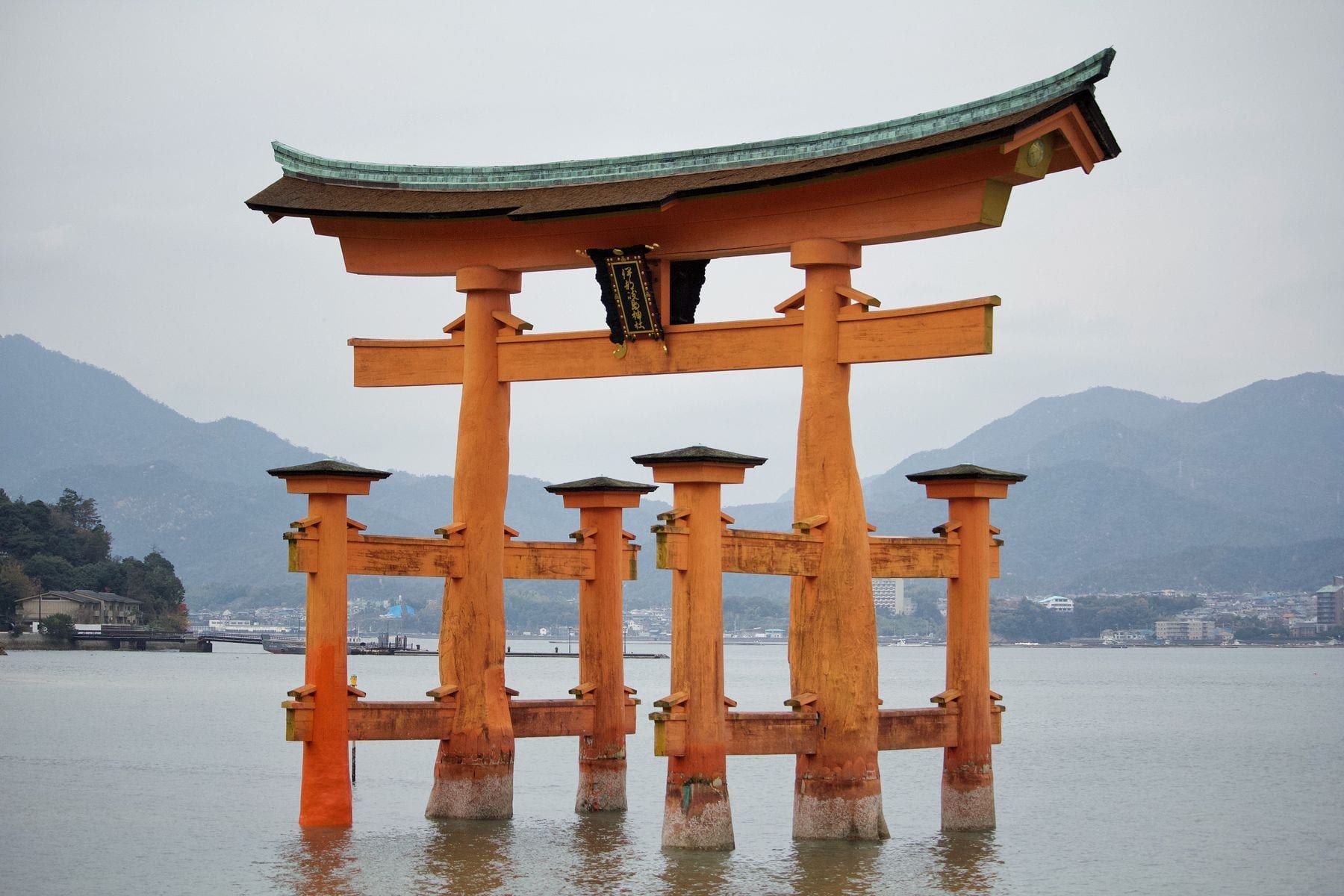
Admission about CHF 1.80 (about EUR 1.90), with the treasure hall CHF 3. Opens at 6.30 am, when you are almost alone. Visit at high tide, walk out to the torii at low tide. The circuit takes about 45 minutes.
Two sections for around CHF 12 (about EUR 13) return, then 30 minutes of steps to the summit with a view over the Inland Sea. Last ropeway at 5 pm; walk down via Daisho-in in an hour and a half.
The oldest and most atmospheric temple on the island, at the foot of Misen: 500 stone figures in caps, a lantern cave, prayer wheels along the stairs. No admission fee, hardly any visitors, 45 minutes.
Day tour from Hiroshima with the Peace Park, museum and Miyajima including the ferry, from CHF 80 (about EUR 86). For anyone short on time who does not want to deal with tides and timetables.
Paddle a sea kayak under the torii at high tide with a guide, around CHF 45 (about EUR 48) for an hour and a half. Only in calm seas; check the tides first. A different view of the most photographed gate in Japan.
In some manju shops you bake the maple cakes yourself in the cast-iron mould, around CHF 5 to 8 (about EUR 5 to 9) for a dozen. A highlight with children; no booking needed, but do not come at lunchtime.
In the oyster huts around Miyajimaguchi and Ono you grill them yourself in winter: a kilo of fresh oysters for CHF 12 to 15 (about EUR 13 to 16), with beer. October to March; book at weekends.
The huge, never completed hall from 1587 next to the pagoda, admission about CHF 0.60 (about EUR 0.65), up on the hill with a view over the shrine and rooftops. Surrounded by cherry trees in April.
If you book through these links we earn a small commission, at no extra cost to you.
On Miyajima everything revolves around the sea: oysters from the bay, conger eel on rice, small fish from the Inland Sea. Then there are momiji manju, which are nowhere as fresh as here. In the evening the choice is thin, so you eat at your ryokan.
Opened fresh on the charcoal grill, with lemon or ponzu. CHF 3 to 4 (about EUR 3 to 4) each, two in a set for about CHF 7. Season October to March, when they are big and sweet.
Tip:The stalls with smoke and a queue are the right ones.
Grilled conger eel in thick strips on rice with a slightly sweet sauce, the island's signature dish. In a restaurant CHF 15 to 20 (about EUR 16 to 21), as a bento around CHF 12.
Tip:At Ueno, take a number and wait by the pier, often for an hour.
Maple-leaf-shaped sponge cake filled with sweet bean paste, custard, chocolate or cheese. Warm and fresh from the mould for CHF 0.70 to 1 (about EUR 0.75 to 1.10) each.
Tip:Age-momiji, deep-fried on a skewer, is the version you only get here.
Breaded, deep-fried oysters with rice, miso soup, cabbage and tartare sauce, the island's lunch. Around CHF 10 to 13 (about EUR 11 to 14).
Tip:Eat at 11 am, before the first coach arrives.
Fried fish cakes on a stick with cheese, leek or shiso, to take away while you stroll. Around CHF 2 to 3 (about EUR 2 to 3) each.
Tip:The deer can smell it, so do not eat it while walking in front of them.
The wooden rice paddle, the shamoji, was invented on Miyajima, and rice dishes in little paddle-shaped bowls are everywhere. Oyster curry with rice around CHF 9 (about EUR 10), hearty and warming in winter.
Tip:A wooden shamoji is the classic souvenir, from CHF 3.
Ten small courses with oysters, conger eel, Inland Sea sashimi and rice from a clay pot. Included in the half-board price, otherwise CHF 60 to 100 (about EUR 64 to 107).
Tip:Dinner is usually at 6 pm, and punctuality is part of it.
Through markets and eateries with a guide, tastings included.
If you book through these links we earn a small commission, at no extra cost to you.
Miyajima's official name is Itsukushima, and it has been regarded as a sacred island for at least 1,500 years. According to legend the shrine was founded in 593; its present form, with halls on stilts over the water, goes back to Taira no Kiyomori, the most powerful man in Japan in the 12th century. He had the shrine enlarged from 1168 because he believed he owed his rise to the island. Because the island itself was considered a deity, nobody was allowed to be born or to die on it; until the 19th century pregnant women and the dying were taken to the mainland, and there are still no cemeteries today. The great torii, in its eighth version since 1875, stands in the tidal flats. It is made of camphor wood and is not anchored in the ground but held in place purely by its own weight of around 60 tonnes. From 2019 to December 2022 it was completely covered in scaffolding for renovation. On Mount Misen the monk Kukai is said to have lit a fire in 806 that has been burning in the Reikado temple ever since. In 1996 the shrine became a UNESCO World Heritage Site. Today around five million visitors come each year, most of them for three hours. Around 1,500 people live here permanently, along with several hundred sika deer, which have been seen as messengers of the gods for centuries and like to help themselves to maps and ferry tickets. Since October 2023 every visitor pays a 100 yen island fee that goes towards upkeep.

From Hiroshima you take the JR Sanyo line for 25 minutes to Miyajimaguchi (around CHF 2.50, about EUR 2.70) or tram line 2 for 70 minutes (CHF 1.50, slow, but no change with ICOCA). At the pier two ferry companies, JR and Matsudai, run every ten minutes, both around CHF 1.20 each way; with the Japan Rail Pass the JR ferry is included. On top of that comes the 100 yen island fee, which you pay at a machine or with your ferry ticket. During the day the JR ferry makes a small detour towards the torii, so take that one. The tides are what matter: at high tide the torii stands in the water and the shrine seems to float, at low tide you walk out to it and touch the pillars. Both are worth seeing, and the difference is up to four metres. Check the tourist office's tide table before your trip and plan the shrine visit for high tide and the walk to the torii for low tide. You can often get both in one day.
At 5 pm the day visitors head back, the souvenir shops on Omotesando close, and the island breathes out. Then you stand alone at the torii, which is lit until 11 pm, the deer settle down in front of the shrine, and in the morning you have the shrine practically to yourself from 6.30 am. That is the reason to stay overnight, and it costs: a ryokan with dinner and breakfast runs to CHF 150 to 250 (about EUR 161 to 268) per person, not per room. Iwaso in the Momijidani valley has been the classic house since 1854; Kinsuikan sits right on the waterfront with a view of the torii from its onsen bath. You can stay more cheaply in the guesthouses near the pier from CHF 70 for a double room, without meals. Important: hardly any restaurants are open on the island in the evening, so book half board or eat early. There is no konbini, only a small shop. Ideally leave your suitcase in a locker in Miyajimaguchi and bring just a backpack.
At 535 metres Misen is the highest point on the island, and the view over the Seto Inland Sea with its dozens of islands is the second reason to be here. The ropeway starts above Momijidani Park, in two sections, around CHF 12 (about EUR 13) return. From Shishiiwa station at the top you still have 30 minutes of steps to the summit, which many people underestimate, so good shoes are a must. On the way you pass the Reikado with the fire that is said to have burned for 1,200 years and from which the Peace Flame in Hiroshima was lit. For the descent take the Daisho-in trail, an hour and a half of steps through the forest that brings you out right at Daisho-in temple, the most beautiful and least visited place on the island: 500 stone figures wearing knitted caps, a cave with lanterns, no admission fee. Walking all the way up takes two hours. Depending on the season the last ropeway runs at 5 or 5.30 pm; after that you walk.
Miyajima itself is cheap: the shrine costs CHF 1.80 (about EUR 1.90), shrine plus treasure hall CHF 3, Daisho-in is free, the ferry CHF 1.20. It gets expensive through habits. The souvenir street Omotesando charges CHF 3 to 4 per grilled oyster and premium prices for momiji manju; in the side streets towards Machiya-dori the same things cost less and it is quieter. Lunch between 12 and 1.30 pm means queuing, so eat at 11 am or 2 pm. The deer are tame but cheeky: they eat maps, tickets and paper bags straight out of your hand. Feeding them is forbidden, and anyone who does it anyway will not get rid of the deer again. The biggest item is the ryokan, and it pays to look at the plans: without dinner you save CHF 50 to 80 per person, but then you need an alternative, and that is thin after 6 pm. Rickshaw rides from CHF 25 for ten minutes are nice for a photo and otherwise dispensable.
Miyajima is linked with the maple for good reason: from mid to late November Momijidani Park turns red, the most beautiful and busiest time, and ryokan rooms are gone months in advance. In early April around 1,300 cherry trees blossom around the shrine and the five-storey pagoda. Summer is hot, humid and full of school groups, but mid August brings the fireworks, which paused in 2019 and have been held irregularly since, so check locally. Winter is quiet, cold and clear, the view from Misen is at its best, and oysters are in season. Avoid Golden Week in early May and Obon. Weekdays are always better than weekends, because half of Hiroshima comes to the island on Sundays. At the shrine itself: 6.30 am or after 4 pm. In between you are part of a procession shuffling single file through the halls.
Most visitors only see the kilometre between the pier and the shrine. The island covers 30 square kilometres, almost all of it forest. Behind Daisho-in a path leads to the Omoto shrine and on to the west coast, where you find Tsutsumigaura beach with a campsite and a view of the oyster rafts, an hour on foot or by island bus for CHF 1.50 (about EUR 1.60) (it runs rarely, timetable at the pier). You are alone with deer and fishermen. On the mainland the oyster harbour is worth it: around Miyajimaguchi and in Ono there are oyster huts where in winter you put a kilo on the grill for CHF 12 to 15. If you have time, take the ferry on to Etajima or stay in Miyajimaguchi for the aquarium, which specialises in the Inland Sea and saves a rainy day with children. And the classic remains the combination with Hiroshima: Peace Park in the afternoon after a morning on Misen.
For the shrine, torii and Misen a long day from 8 am is enough. Staying overnight is worth it for the atmosphere: the torii lit until 11 pm, the shrine at 6.30 am without crowds, a ryokan dinner with local oysters. If you have the budget (CHF 150 to 250, about EUR 161 to 268, per person with half board), stay one night. If you want to save, come early and leave late.
At high tide, so twice a day, with a tidal range of up to four metres. From a water level of about 250 centimetres the torii appears to float; below 100 centimetres you can walk out to it. The Miyajima tourist office's tide table shows times and heights for every day. Full moon and new moon days have the biggest differences, so planning is especially worthwhile then.
Train and ferry from Hiroshima around CHF 8 (about EUR 9) return plus the CHF 0.60 island fee, the shrine CHF 1.80, the ropeway CHF 12, lunch with oysters or anago-meshi CHF 12 to 20, momiji manju CHF 5. A full day therefore costs CHF 40 to 50 per person, without souvenirs. With the Japan Rail Pass the train and JR ferry are covered.
The route from the pier to the shrine is flat and paved, and the shrine itself has ramps. Momijidani Park and the ropeway base station are slightly uphill, and there is a free shuttle bus to the ropeway. The Misen summit can only be reached via steps, and Daisho-in has a lot of stairs. The ferries and the stations in Miyajimaguchi are step-free, and wheelchairs can be borrowed at the pier.
No, it has been forbidden since 2008, and the town also asks you not to leave paper lying around, because the animals eat it. The deer are used to people and become pushy when they see plastic bags. Do not touch them, do not tease them, keep your distance. With small children, keep maps and snacks in the backpack.
It is a lovely trip: from the pier at the Peace Park, 45 minutes down the river and across the bay past oyster farms, around CHF 14 (about EUR 15) each way. Train there and boat back is a good combination if the budget allows. With the Japan Rail Pass you take the train, which is included.
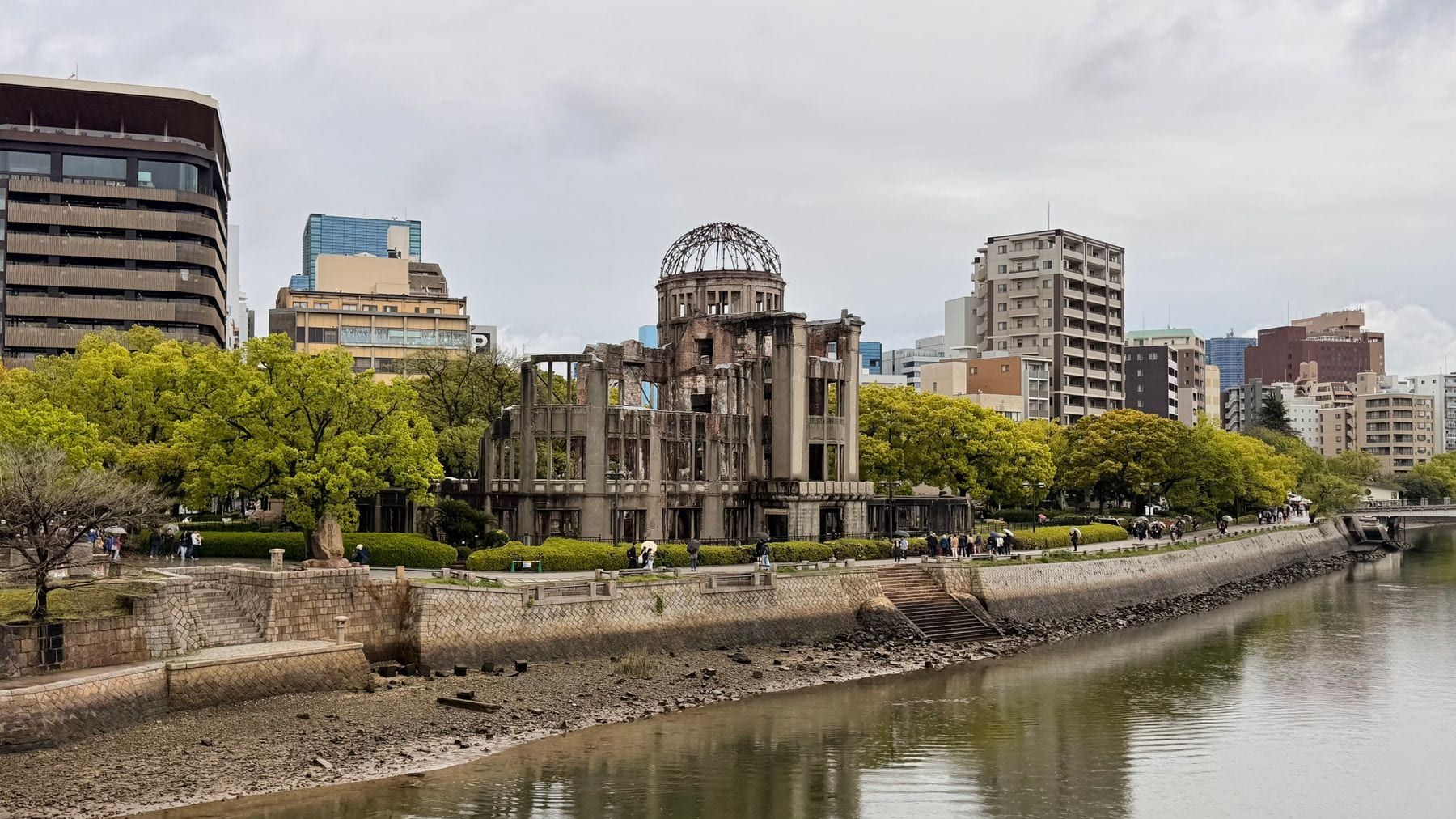
What two to three days in Hiroshima really cost, why the Peace Memorial Museum needs half a day rather than an hour, and where the city comes alive in the evening.
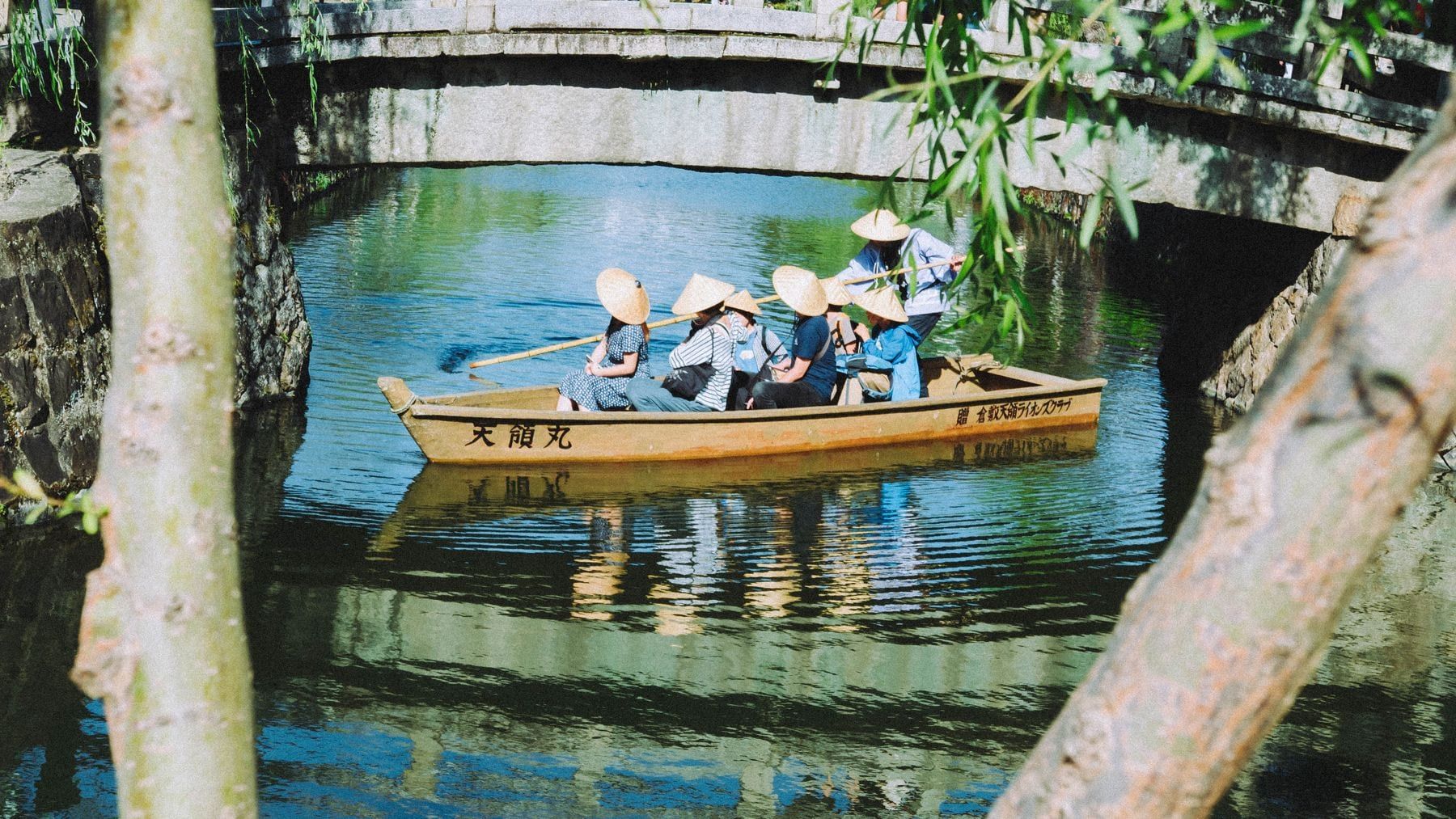
What two to three days among canal houses, jeans workshops and one of Japan's three finest gardens cost, and why Okayama is the best hub for the Inland Sea.
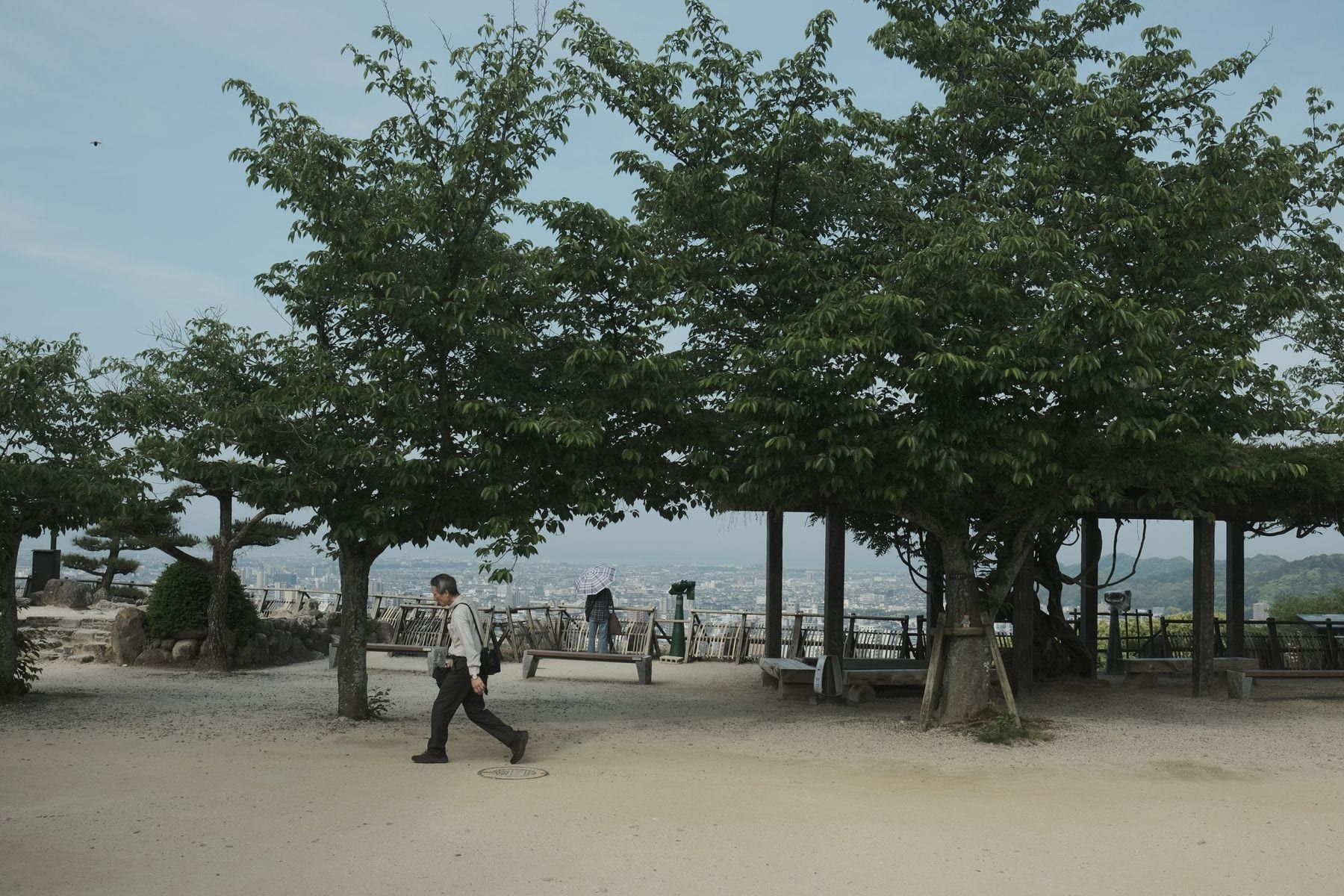
What three days in Shikoku's largest city really cost, how to bathe at Dogo Onsen Honkan without queuing, and why Matsuyama is the best way into Shikoku.
What two days on the art island really cost, why you book Chichu weeks ahead, where to sleep when Benesse House is full, and which neighbouring island is worth it.