Activities

Temples, Shrines and Pilgrim Trails

Ten thousand red gates in Kyoto, monks at morning prayer on Koyasan, 88 temples around Shikoku: Japan's temples and shrines are not a museum but living everyday life.

Best months: JanFebMarAprMayJunJulAugSepOctNovDec

Temple or shrine: the difference in two minutes

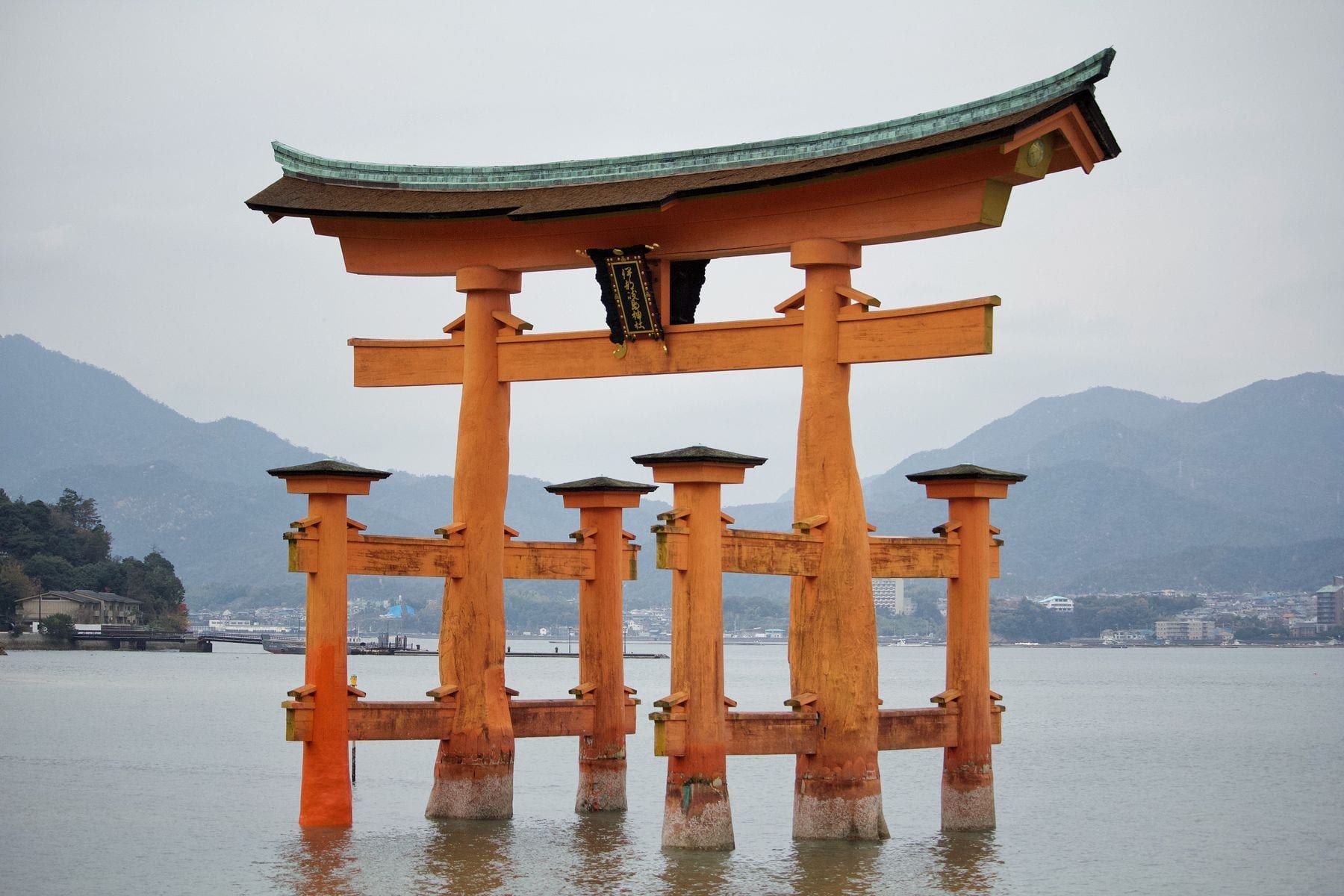
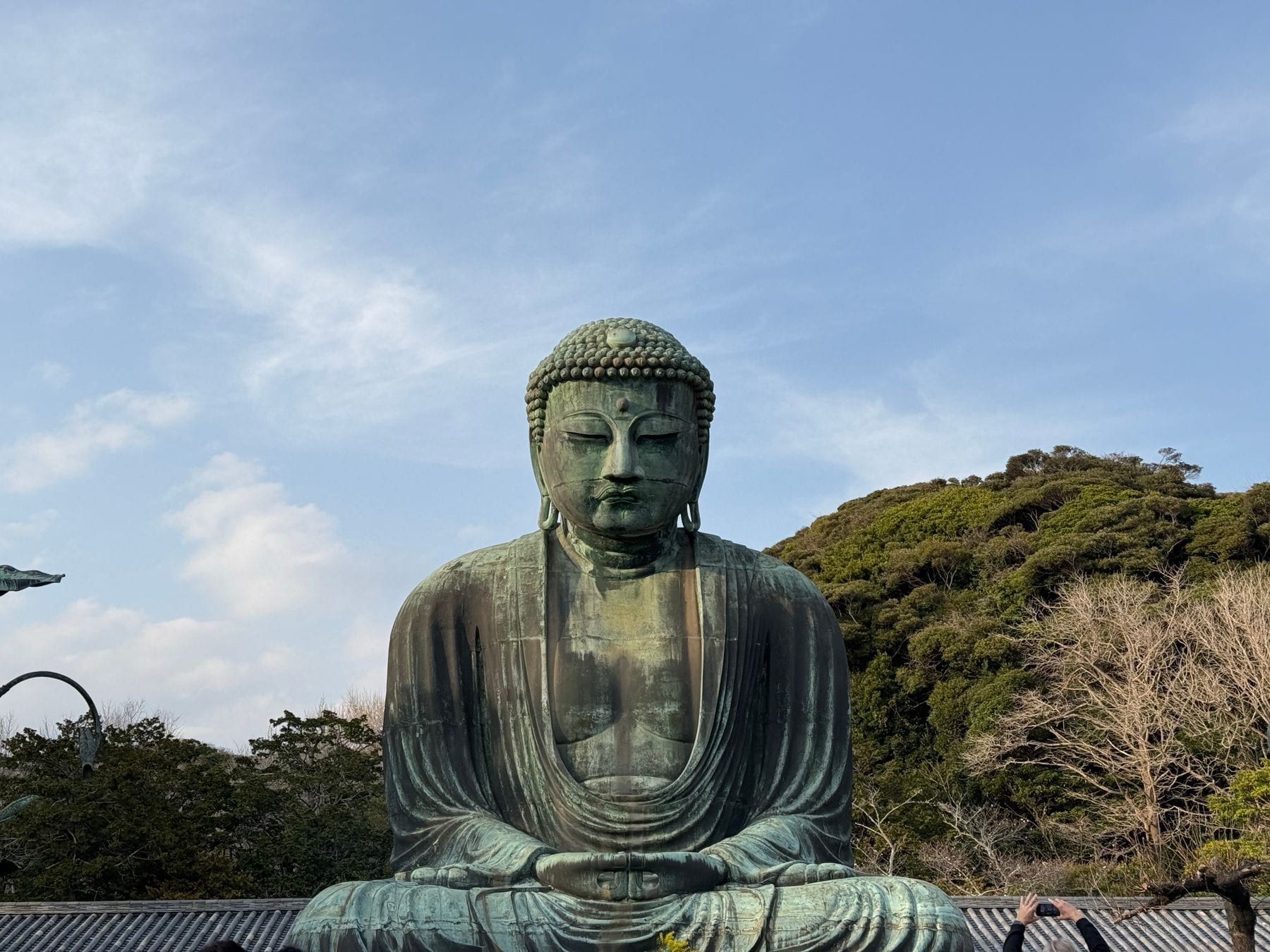
Shrines (jinja) belong to Shinto, the native religion with its kami, the deities of mountains, rivers, rice and ancestors. You recognise them by the torii, the gate of two posts and crossbeams, usually red, and by the absence of statues; what is venerated is a mirror, a stone or simply the mountain behind. Temples (tera or -ji) are Buddhist, arrived from Korea and China in the 6th century, and have Buddha statues, pagodas, incense and often a cemetery. The two religions live side by side: Japanese marry at a shrine, are buried at a temple and visit both on New Year's Day. Many sites even mix; a small shrine often stands on temple grounds. Famous shrines: Fushimi Inari and Heian in Kyoto, Meiji in Tokyo, Itsukushima on Miyajima, Toshogu in Nikko, Ise. Famous temples: Kiyomizu, Kinkakuji and Ryoanji in Kyoto, Todaiji in Nara, Senso-ji in Tokyo, Kotoku-in with the Great Buddha in Kamakura. Entry fees apply mainly at temples with gardens, CHF 3 to 6 (about EUR 3 to 6); shrines are almost always free, except for treasure halls and gardens.
Etiquette: wash hands, bow, clap, no photos

At a shrine: bow briefly before the torii, then walk at the edge of the path; the middle belongs to the kami. At the water basin (temizuya) you take the ladle in your right hand, pour water over your left, switch, pour over your right, rinse your mouth with your left hand (do not drink from the ladle) and stand the ladle upright so the remaining water cleans the handle. In front of the main hall you throw a coin into the wooden box (5 yen coins are considered lucky), ring the bell if there is one, bow deeply twice, clap twice, pray silently and bow one last time. At a temple: same purification, but no clapping. You throw the coin, put your hands together and bow once. Incense sticks (CHF 1, about EUR 1) are lit from another stick, never directly with a lighter, and you waft the smoke towards you. Interiors with tatami are entered without shoes, and photography is often banned, marked by signs. Appropriate dress means covered shoulders and knees are polite but not a rule. Loud talking, sitting on fences, eating on the grounds and drones are taboo. Omikuji are fortune slips for CHF 1 to 2; tie a bad one to the rack, take a good one home. Ema are the wooden plaques with wishes for CHF 3 to 6.

Goshuin: the stamp book that becomes the journey

A goshuin is a seal that temples and shrines paint into visitors' stamp books: red stamps plus the name of the site and the date in black calligraphy, by hand, before your eyes. Each one is unique. You buy the book (goshuincho) at your first temple or shrine for CHF 9 to 15 (about EUR 10 to 16), often with a beautiful fabric cover; each stamp costs CHF 2 to 3, up to CHF 5 at famous sites, usually in cash and exact change. The office (juyosho or noukyosho) is generally open from 9 am to 4 or 5 pm; on public holidays and at cherry blossom there are queues. A few rules: the book is not a souvenir notebook, you hand it over with both hands, say thank you, and some sites will not stamp books with stickers or inserts. Strictly speaking some people keep separate books for temples and shrines; in practice almost all accept a mixed book, with exceptions at a few temples in Nara and on Koyasan. Special goshuin: Fushimi Inari with a fox, seasonal versions with cherry blossom or maple, Koyasan with the seal of Kobo Daishi. On the Shikoku pilgrimage the book is called nokyocho and is stamped at each of the 88 temples; at the end it is a document that pilgrims are given to take to the grave. Large temples also offer goshuin on loose sheets at weekends when the office is overloaded.

Koyasan: a night in a temple with monks and shojin ryori

Koyasan is a plateau at 800 metres south of Osaka, the centre of Shingon Buddhism since 816, with over 100 temples, around 50 of which take guests. These temple lodgings are called shukubo and cost CHF 80 to 150 (about EUR 85 to 160) per person with dinner and breakfast, luxury versions with private bath and garden view up to CHF 250. You sleep on futons in a tatami room, eat shojin ryori, the vegan temple cuisine with tofu, sesame, vegetables and goma-dofu served in lacquer bowls, and are woken at 6 am for the ceremony: sutra chanting, incense, at some temples a fire ritual (goma). Participation is voluntary but the reason you are there. In between you visit Okunoin, the largest cemetery in Japan, two kilometres through ancient cedars with over 200,000 graves to the mausoleum of Kobo Daishi; at night with lanterns, guided evening tours with a monk cost CHF 20 to 25. Getting there from Osaka Namba by Nankai railway and funicular takes 90 minutes, CHF 15 to 20 one way; the Koyasan World Heritage Ticket for CHF 25 to 30 includes the return trip and buses. Book through the Koyasan Shukubo Association or the hotel portals, months ahead in autumn. English is spoken in all lodgings; rules are quiet from 9 pm and dinner punctually at 5.30 or 6 pm.

Pilgrim trails: Shikoku 88, Kumano Kodo, Dewa Sanzan

The Shikoku pilgrimage (henro) links 88 temples around the island of Shikoku over 1200 kilometres, associated with the monk Kobo Daishi. On foot you need 40 to 50 days, with a budget of CHF 70 to 110 (about EUR 75 to 118) a day for minshuku, simple hotels and food; by bus or rental car ten days, and many Japanese walk it in stages over years. Pilgrims wear the white vest (hakui, CHF 15 to 25), the staff with a bell and the sedge hat, available at the first temple Ryozenji; the outfit is not a costume but opens doors, because locals give pilgrims gifts (osettai) of fruit, drinks or a lift. A good start is temples 1 to 10 in two days from Tokushima or the section around Matsuyama with Ishiteji (temple 51) and Dogo Onsen. The Kumano Kodo on the Kii peninsula is shorter: four to five days on the Nakahechi route to the three Kumano shrines, with guesthouses and luggage service; details in the trekking guide. Dewa Sanzan in Yamagata are the three sacred mountains of the yamabushi mountain ascetics: Haguro with 2446 stone steps through 600-year-old cedars and a five-storey pagoda (all year, two hours), Gassan at 1984 metres (July to September) and Yudono with a shrine one is not supposed to talk about. Stay in pilgrim lodgings at the foot of Haguro from CHF 80 with shojin ryori; yamabushi courses for foreigners run over several days for CHF 300 to 600.

Fushimi Inari, Nikko, Ise and zazen: the big places without the crowds

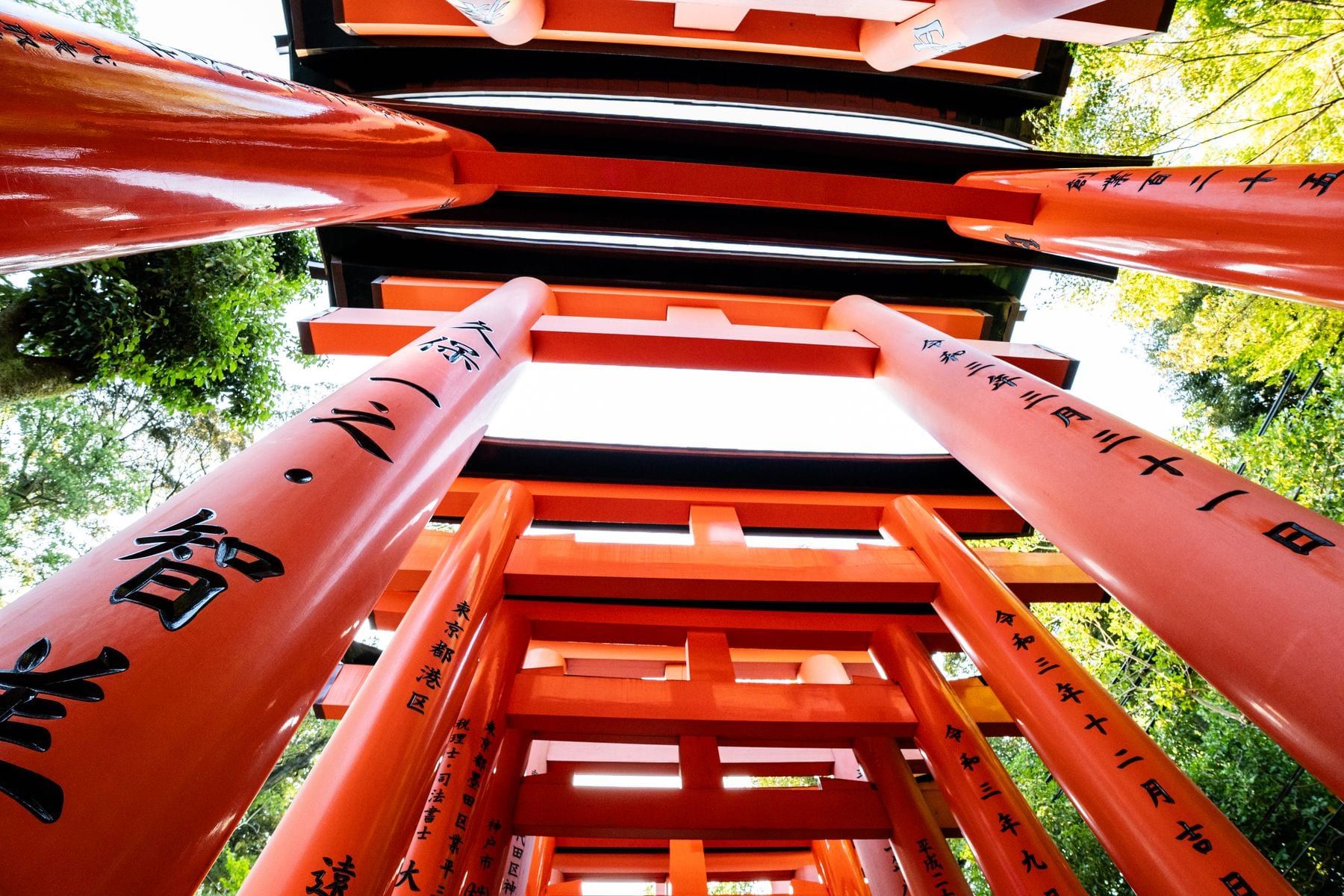
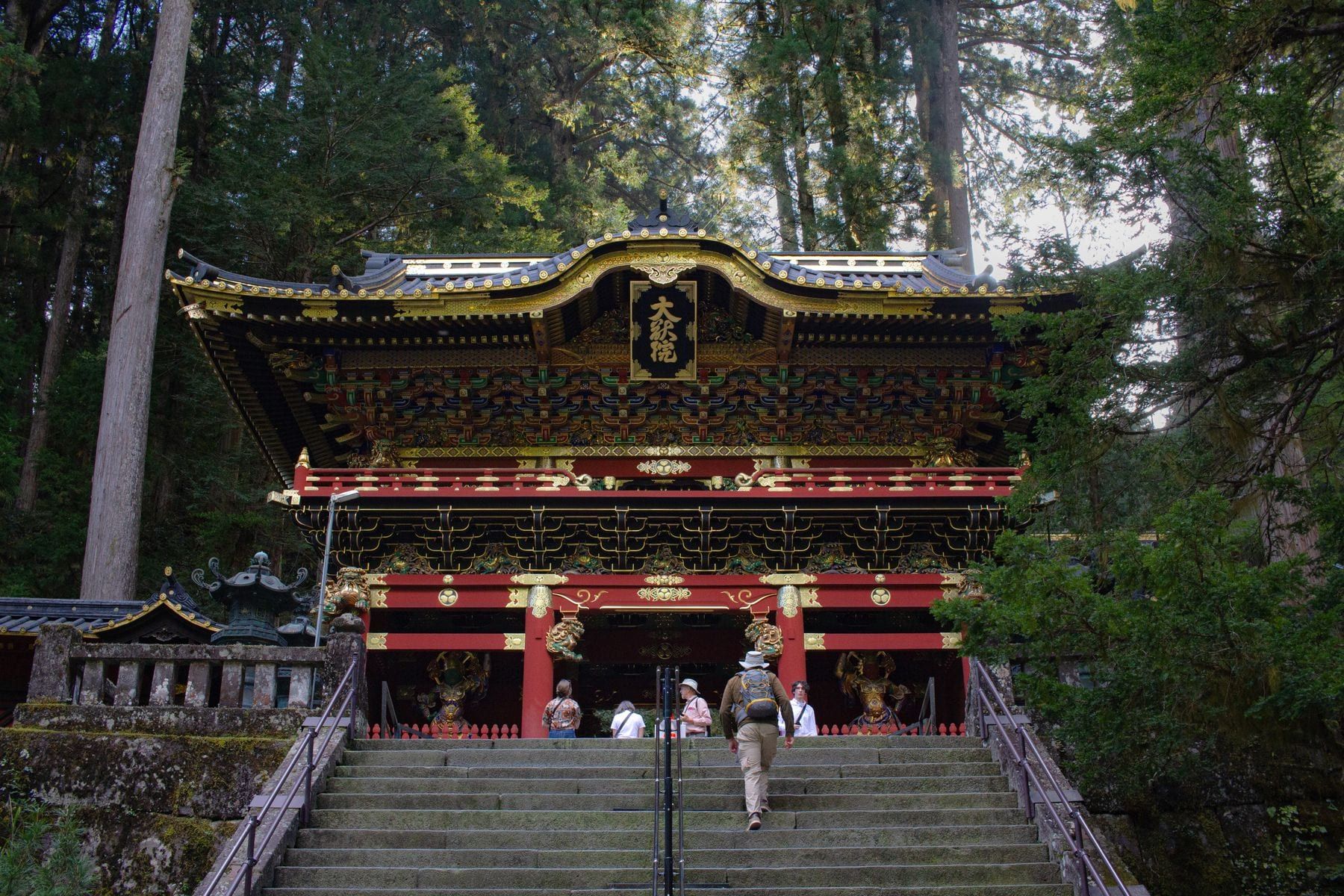
Fushimi Inari in Kyoto with its ten thousand red gates is open around the clock and free. From 9 am you are in the crush; at 6 am you are alone with joggers and crows. The full loop up the mountain takes two to three hours, most people turn back after the first third, and from there it empties out. Nikko, two hours north of Tokyo, has in the Toshogu the most ornate sanctuary in Japan, mausoleum of the shogun Tokugawa Ieyasu with the three monkeys and the sleeping cat relief, entry CHF 10 (about EUR 11); plus Rinnoji, Futarasan and the Kegon waterfall. Stay overnight in Nikko and be at the gate at 8 am before the day coaches arrive. The Ise shrine in Mie is the most important Shinto sanctuary, dedicated to the sun goddess Amaterasu, plain cypress wood rebuilt every 20 years (last in 2013, next in 2033). You see only fences and roofs, the inner area is off limits, and that is exactly what makes it impressive; visit Geku first, then Naiku, with the Okage Yokocho food street in between. Zazen, the seated meditation of Zen, can be tried in Kyoto: Shunkoin in the Myoshinji complex offers sessions in English with explanation for CHF 15 to 25, Taizoin likewise, and some temples hold free Sunday morning zazen. In Kamakura, Engakuji holds regular sittings, and the Great Buddha of Kotoku-in has stood in the open air since 1252. If you want to go deeper, book multi-day stays at Eiheiji in Fukui or Sojiji near Yokohama with a strict schedule from 3.30 am.

Tours worth booking

Koyasan temple stay with morning ceremony

A night in a shukubo with shojin ryori dinner, futon in a tatami room and participation in the monks' morning ceremony. Often combined with an evening Okunoin tour. Travel from Osaka on your own or as a package.

View & book →

Kyoto Zen meditation in a temple with a monk

Introduction to zazen in English at a Zen temple in Kyoto, with explanation, two sitting periods and tea afterwards. Around 90 minutes, designed for beginners, no prior knowledge needed.

View & book →

Fushimi Inari early morning hike with guide

Guided climb through the gates before the rush, with explanations of Inari, foxes and the donors of the gates, continuing along the hidden paths of the mountain. Start at 7 am, two to three hours.

View & book →

Nikko day tour from Tokyo with Toshogu

Day trip from Tokyo with Toshogu shrine, Shinkyo bridge, Kegon waterfall and Lake Chuzenji, with guide and transport. Practical if you do not want to combine Nikko yourself by train and bus.

View & book →

Shikoku pilgrimage stage with pilgrim guide

One or more days on the henro trail with an experienced companion, pilgrim gear, stamp book and explanations of the rituals in the temples. Start at the first temples in Tokushima or around Matsuyama.

View & book →

Nara temples and deer half-day tour from Kyoto or Osaka

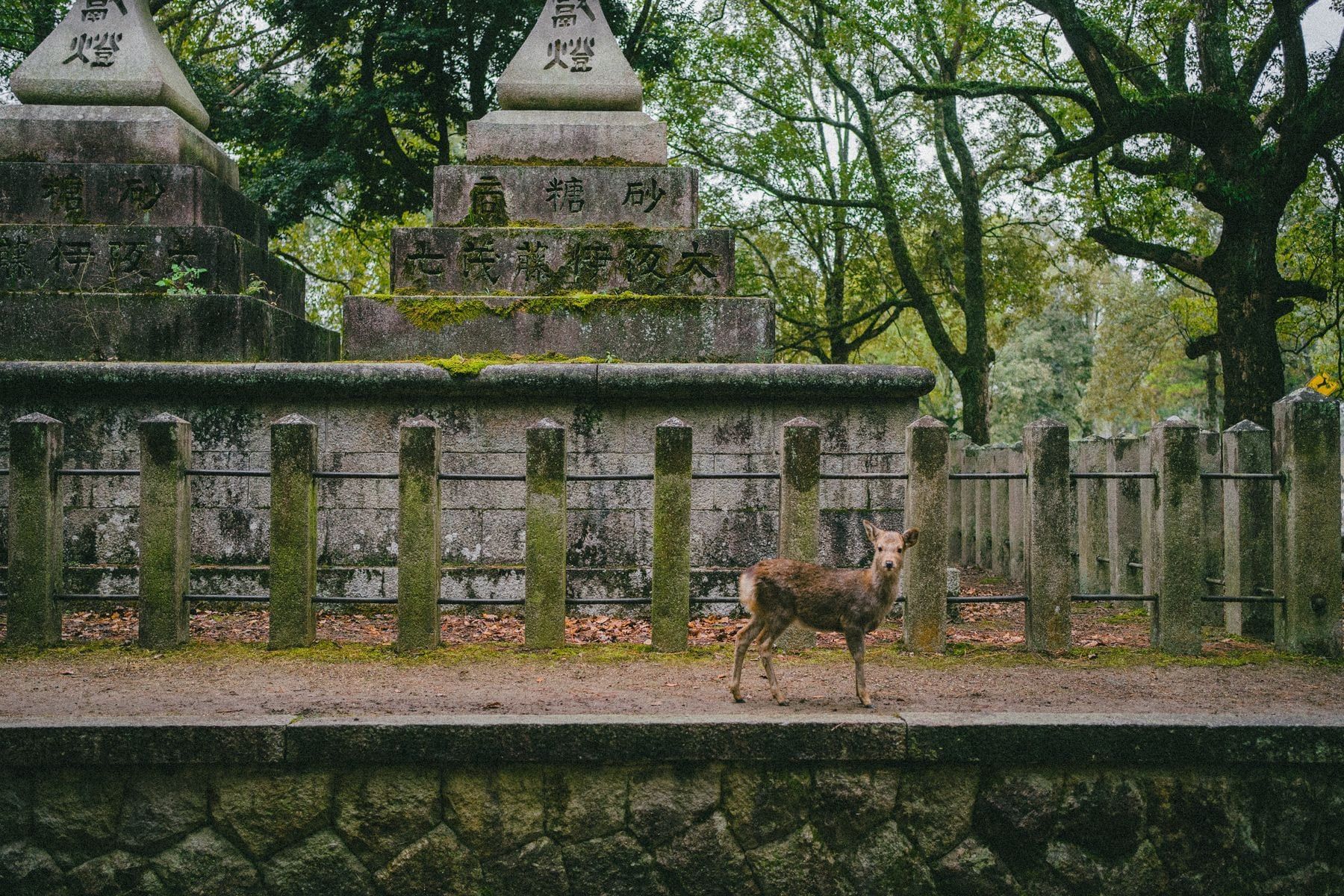
Guided tour to Todaiji with the Great Buddha, Kasuga shrine with its stone lanterns and Nara Park, with time for a goshuin and the deer. Half day, easy to combine with Fushimi Inari.

View & book →

If you book through these links we earn a small commission, at no extra cost to you.

Where

Frequently asked questions

May I pray and join rituals in temples as a non-Buddhist?

Yes, expressly. Japanese expect no affiliation, only respect. Throwing a coin, bowing, clapping at a shrine, lighting incense: all of it is open to visitors. What is not acceptable: entering interiors without permission, photographing where banned, eating on the grounds or being loud.

What does a goshuin cost and where do I get the book?

The book costs CHF 9 to 15 (about EUR 10 to 16) at almost every larger temple or shrine, each stamp CHF 2 to 3, in cash and ideally exact change. The office is usually open from 9 am to 4 or 5 pm. One book for temples and shrines together is accepted almost everywhere in practice.

How do I book a temple stay on Koyasan?

Through the Koyasan Shukubo Association or the usual hotel portals, where many temples are listed. CHF 80 to 150 (about EUR 85 to 160) per person with two vegetarian meals. For October and November and for weekends, book two to three months ahead. Dinner at 5.30 or 6 pm, morning ceremony at 6 am, quiet from 9 pm.

Can I walk the Shikoku pilgrimage in parts?

Yes, that is how most Japanese do it. Popular starts are temples 1 to 10 near Tokushima in two days or the temples around Matsuyama with Dogo Onsen. The whole circuit takes 40 to 50 days on foot at CHF 70 to 110 (about EUR 75 to 118) a day. Pilgrim clothing is available at Ryozenji, the first temple.

When is the best time for temples and pilgrim trails?

March to May with cherry blossom and fresh green, and October to November with autumn colours. Kyoto and Nikko are full then; getting up early helps more than any alternative. For Koyasan and Dewa Sanzan autumn is the most beautiful, Gassan is only open July to September. Summer is hot and humid, winter quiet in Kyoto and snowy on Koyasan.

Related events

Nov 15

Autumn Leaves (Momiji) in Kyoto and Nikko

Culture · Japan

15 November 2026 Nikko late October to mid-November, Kyoto mid-November to early December; shifts by a few days each year Kyoto, Nikko

Japan's second great season, quieter than the cherry blossom but just as crowded in Kyoto: maples and ginkgos turn from north to south, in Nikko first at altitude around Lake Chuzenji (early October), then around the Toshogu Shrine from late October to mid-November. Kyoto usually peaks around 20 to 30 November: Tofuku-ji with the Tsutenkyo bridge, Eikando and Kiyomizu-dera with evening illuminations, Arashiyama with the Sagano scenic railway. Tokyo's gardens such as Rikugien follow until early December. Forecasts appear from September, and the colours last around two weeks, much longer than the cherry blossom.

For travellers: Kyoto hotels in late November cost as much as in cherry blossom season, so book early or sleep in Osaka; visit Tofuku-ji and Arashiyama before nine on weekends, and expect the Irohazaka hairpins in Nikko to be jammed for hours on autumn weekends.