Hiroshima

Japan · Chugoku & Shikoku · Travel guide

Hiroshima

What two to three days in Hiroshima really cost, why the Peace Memorial Museum needs half a day rather than an hour, and where the city comes alive in the evening.

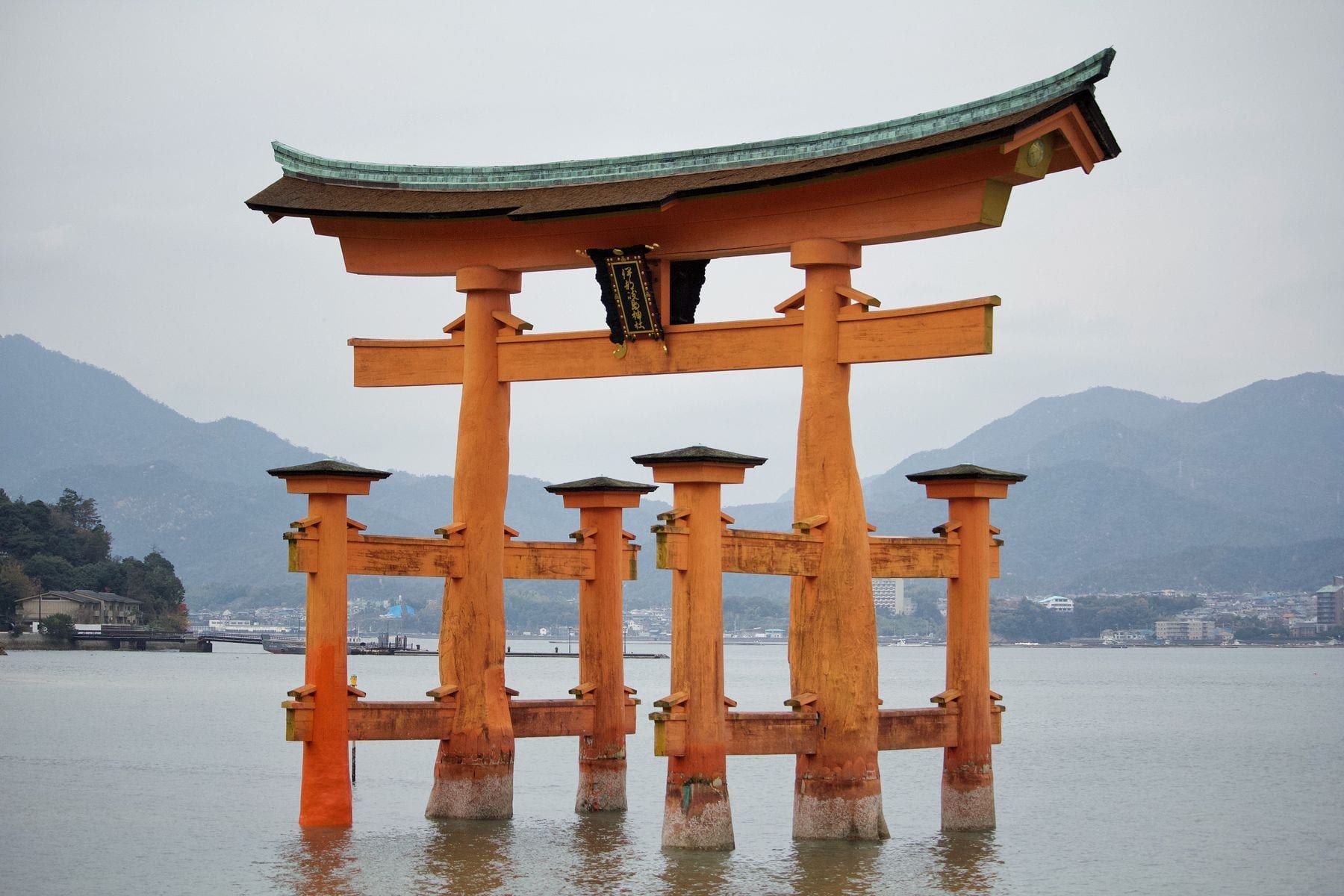
Photo: Stephan Leuzinger / Pexels

What does a trip to Hiroshima cost?

Adjust the values to your trip: the calculator updates live (EUR, converted from CHF estimates).

3,633 EUR
≈ 1,816 EUR per person
  • Flights 2,354 EUR
  • Accommodation 508 EUR
  • Food 428 EUR
  • Local transport 64 EUR
  • Shinkansen from Osaka (return) 278 EUR

Estimates for orientation, not booking prices. Flights and hotels vary strongly by season: current prices are behind the links below.

Money & payment: You pay in yen (JPY). 1,000 yen is roughly CHF 6 or EUR 6.50. Cards work in cities and hotels; small restaurants, temples and rural stations often want cash. An IC card (Suica or ICOCA) on your phone pays for trains, buses and convenience stores. Flight time: 12 to 14 hours, usually with one stop.

Recommended hotels

Nine options in three price ranges, each among the best-rated on Booking.com.

Budget

APA Hotel Hiroshima-Ekimae Ohashibashi

Matsubara-cho, Hiroshima

High-rise business hotel five minutes' walk from the station with a large shared bath on the top floor. The rooms are small, the beds good, the price fair. Ideal for one night between two Shinkansen rides.

from CHF 55 / night (about EUR 59) View →

Toyoko Inn Hiroshima Ekimae Ohashi Minami

Matsubara-cho, Hiroshima

The chain's reliable standard: a clean double room, free breakfast with onigiri and miso soup, three minutes to the station. Nothing special, but never a disappointment.

from CHF 60 / night (about EUR 64) View →

Hiroshima Hana Hostel

Kojin-machi, Hiroshima

Friendly hostel of the J-Hoppers group near the station with private rooms and dorms, a shared kitchen and good tips from the staff. If you want to meet other travellers, this is the place.

from CHF 25 / bed, double from CHF 60 (about EUR 27 / 64) View →

Mid-range

Dormy Inn Hiroshima

Komachi, Hiroshima

Ten minutes' walk from the Peace Park, an onsen bath on the roof, free ramen late in the evening and a good breakfast with local dishes. Value for money is right, as with the whole chain.

from CHF 95 / night (about EUR 102) View →

Hotel Granvia Hiroshima

Shinkansen exit of the station, Hiroshima

The JR hotel right at the Shinkansen exit, so you go from train to room with your suitcase without getting wet. Solid, a little plain, but with large rooms and a view over the city. Perfect for trips to Miyajima and Okayama.

from CHF 110 / night (about EUR 118) View →

Candeo Hotels Hiroshima Hatchobori

Hatchobori, Hiroshima

Right in the nightlife district, tram stop outside the door, a sky bath on the top floor with a view across the rooftops. Modern, quiet rooms, Okonomimura three minutes away. Our pick for location.

from CHF 100 / night (about EUR 107) View →

Luxury

Hilton Hiroshima

Fujimi-cho, Hiroshima

Opened in 2022, the newest luxury hotel in the city: large rooms, pool, spa, an executive lounge with a view of the mountains. Ten minutes' walk to the Peace Park, on a quiet side street.

from CHF 220 / night (about EUR 235) View →

Sheraton Grand Hiroshima Hotel

Wakakusa-cho, Hiroshima

Right at the station by the Shinkansen exit, with pool, gym and club lounge. Large rooms of Western standard and a breakfast buffet with oysters in season. Practical if you are on the train a lot.

from CHF 200 / night (about EUR 214) View →

Rihga Royal Hotel Hiroshima

Motomachi, Hiroshima

The tallest hotel in the city, next to the castle: rooms from the 20th floor up with views of the Peace Park, the river and Miyajima island in the distance. Classic service, a little dated, but central.

from CHF 170 / night (about EUR 182) View →

If you book through these links we earn a small commission, at no extra cost to you.

Experiences worth your time

Peace Memorial Museum with audio guide

Admission about CHF 1.20 (about EUR 1.30), audio guide CHF 2.50. Arrive at opening time and plan three hours. The East Building explains the context, the Main Building shows the victims' belongings.

View & book →

Guided walk through the Peace Park

Guided walks explain the cenotaph, the flame, the Children's Peace Monument and the Atomic Bomb Dome, often with stories from the guide's own family. From CHF 25 (about EUR 27); volunteer guides in the park also go free.

View & book →

Okonomiyaki cooking class

Layer your own Hiroshima-style okonomiyaki with cabbage, noodles and egg, in a small kitchen or a restaurant. From CHF 40 (about EUR 43), two hours, and you will be full afterwards. A good rainy-day plan.

View & book →

Hiroshima Castle

Rebuilt in 1958, with a museum on the samurai era and a view from the fifth floor. Admission about CHF 2.20 (about EUR 2.40). The castle grounds are free, and full and beautiful during cherry blossom.

View & book →

Shukkei-en Garden

A lord's garden from 1620 with a pond, bridges and tea houses, ten minutes' walk from Hatchobori. Admission about CHF 1.60 (about EUR 1.70). Go in November for the red leaves, in spring for plum and cherry blossom.

View & book →

Mazda Museum with factory tour

Free, but only with an online booking: the history of the brand, the rotary engine and a look at the running assembly line. Five minutes' walk from Mukainada station, about 90 minutes.

View & book →

High-speed boat from the Peace Park to Miyajima

From the pier at the Peace Park, 45 minutes down the river and across the bay to Miyajima, around CHF 14 (about EUR 15) each way. More expensive than the train, but you see oyster farms and islands.

View & book →

Day trip to Okunoshima (rabbit island)

A former poison gas factory, now an island with hundreds of tame rabbits and a small museum. An hour and a half by train and ferry, around CHF 20 (about EUR 21) return. Buy food beforehand, as there is none on the island.

View & book →

Sake tasting in Saijo

Saijo, 35 minutes by train, is one of Japan's three great sake centres, with eight breweries within walking distance. Tastings from CHF 3 (about EUR 3), sake festival in October. Go back by train, not by car.

View & book →

If you book through these links we earn a small commission, at no extra cost to you.

Food & drink

Hiroshima's food is hearty: okonomiyaki from the hot plate, oysters from the bay, conger eel on rice and a local take on tsukemen where you order the spiciness in levels. Add sake from Saijo. If you want to eat expensively here, you have to make an effort.

Hiroshima-style okonomiyaki

Okonomimura, Shintenchi

A layered pancake with cabbage, pork belly, yakisoba noodles, a fried egg and sweet Otafuku sauce. Big, hot, cheap: CHF 6 to 9 (about EUR 6 to 10).

Tip:Do not cut it with a knife; the little spatula is your cutlery.

Kaki (oysters), grilled or fried

Oyster stalls on Omotesando on Miyajima, Kakigoya in Ujina

Hiroshima oysters are large and mild. Grilled with lemon for CHF 3 to 4 (about EUR 3 to 4) each, as kaki-furai in a set with rice and miso soup for around CHF 10. Season October to March.

Tip:In summer they are frozen, so order anago instead.

Anago-meshi

Ueno in Miyajimaguchi, right by the ferry pier

Grilled conger eel on rice in a wooden box, more delicate and less fatty than unagi. As a station bento around CHF 12 (about EUR 13), in a restaurant CHF 15 to 20.

Tip:The Ueno bento still tastes good cold on the Shinkansen.

Hiroshima tsukemen

Shops around Hatchobori and at the station

Cold noodles for dipping into a spicy sauce with chilli and sesame, served with cabbage and cucumber. You choose the heat in levels from 0 to 20. Around CHF 6 (about EUR 6).

Tip:Level 3 is already plenty for a Swiss palate.

Momiji manju

Yamadaya and Fujiya on Miyajima, station shops in Hiroshima

Small sponge cakes shaped like maple leaves, filled with bean paste, chocolate or cheese. The Miyajima souvenir, CHF 0.70 to 1 (about EUR 0.75 to 1.10) each.

Tip:Deep-fried on a skewer as age-momiji, only on the island.

Hiroshima ramen

Ramen shops near the station and in the ekie complex

Dark pork and soy broth, thin noodles, bean sprouts and chashu. Nothing spectacular, but honest, around CHF 5 to 6 (about EUR 5 to 6).

Tip:Order at the ticket machine, hand the ticket to the cook, no talking needed.

Sake from Saijo

Saijo brewery district, 35 minutes by train

Soft water makes Saijo sake round and mild. Tastings at the breweries from CHF 3 (about EUR 3), a bottle in the shop from CHF 10.

Tip:Kamotsuru and Kamoizumi are the best-known names.

Book a food tour: Hiroshima

Through markets and eateries with a guide, tastings included.

View & book →

If you book through these links we earn a small commission, at no extra cost to you.

History & background

Hiroshima was founded in 1589, when the feudal lord Mori Terumoto built a castle on the islands of the Ota river delta and named the town 'broad island'. Under the Asano lords it grew into a trading town, from 1871 into a garrison town of the imperial army, and during the war against China in 1894 even the imperial headquarters sat here. It was exactly this military importance that made Hiroshima a target. On 6 August 1945 at 8.15 am the first atomic bomb used in war exploded about 600 metres above the city centre. By the end of 1945 around 140,000 people had died, and the city centre had vanished in an instant. Only the dome of the Industrial Promotion Hall by the river remained standing as a ruin, today the Atomic Bomb Dome and a UNESCO World Heritage Site. As early as 1949 parliament passed the law to rebuild Hiroshima as a city of peace, and the architect Kenzo Tange designed the Peace Park with its museum and cenotaph, which opened in 1955. The trams were running again just three days after the bombing, and two of the cars from that time are still in regular service. Hiroshima now has 1.2 million inhabitants, is home to Mazda and to the Carp baseball team, whose fans turn the whole city red. Every year on 6 August tens of thousands gather for the memorial ceremony, and in the evening paper lanterns float down the Motoyasu river. The city talks openly about its history without letting itself be reduced to it.

Insider tips

Getting there: Shinkansen from Osaka and the tram in town

From Shin-Osaka the Nozomi takes about 1 hour 25 minutes to Hiroshima; a ticket costs around CHF 64 (about EUR 68), roughly CHF 130 return. From Kyoto it is 1 hour 40 minutes, from Tokyo just under four hours and about CHF 115 each way. With the Japan Rail Pass you can only take the Nozomi with a supplement; the Sakura or Hikari takes 20 to 30 minutes longer. There is no direct flight from Switzerland to Hiroshima, and the airport (HIJ) is 50 minutes out of town and only worth it from Tokyo Haneda. In town you ride the Hiroden tram, the largest tram network in Japan: a flat fare of about CHF 1.50 per ride, paid with ICOCA or Suica when you get off. From the station to the Peace Park takes 15 minutes on line 2 or 6. A day pass covering the tram and the Miyajima ferry costs around CHF 6. You rarely need a taxi in Hiroshima; the centre between the station, Hondori and the Peace Park is easy to walk.

Peace Park and museum: give it half a day

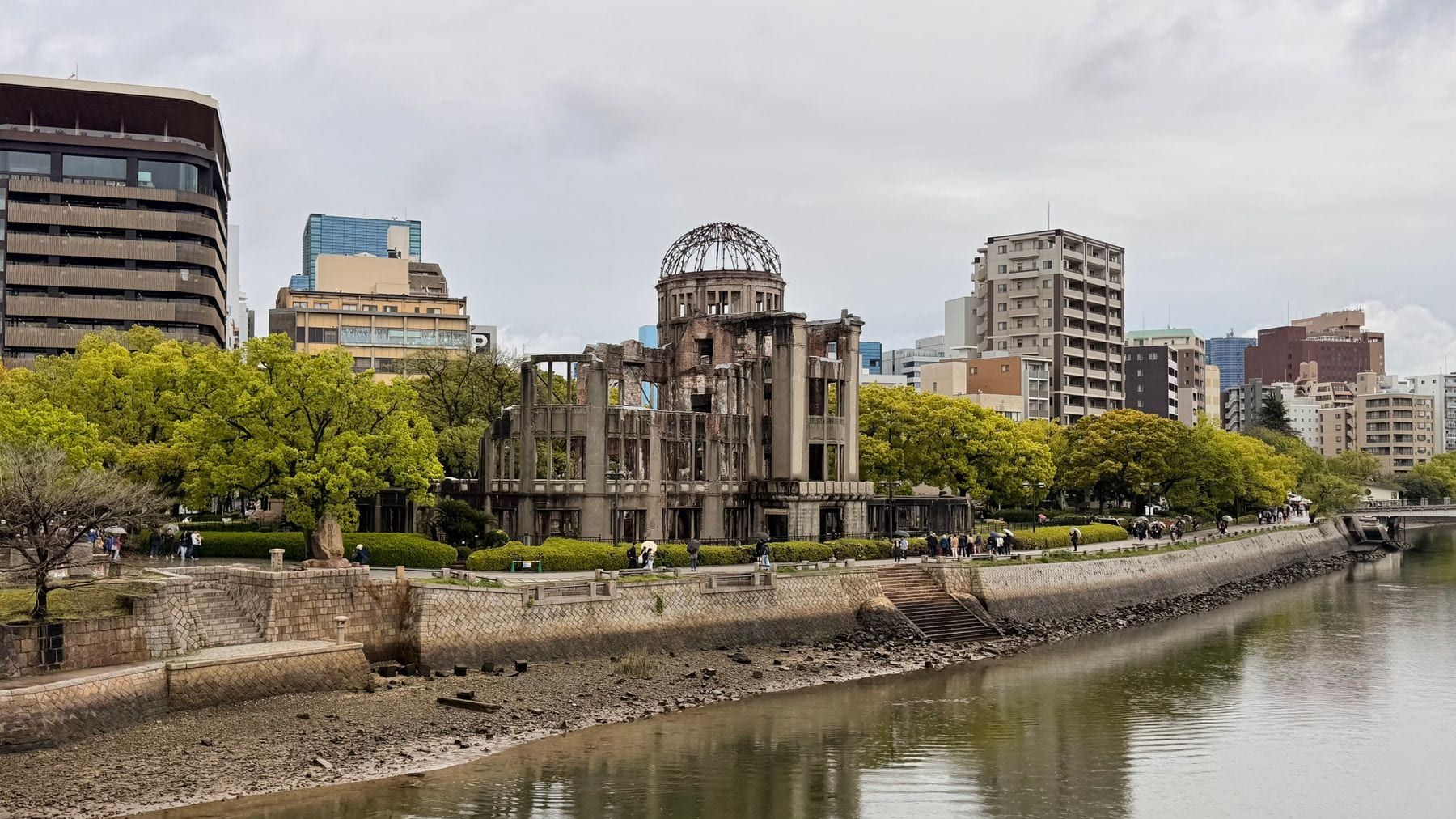
The Peace Memorial Museum costs about CHF 1.20 (about EUR 1.30) to enter, which makes it practically free, yet many people rush through in an hour. Plan three hours. The route starts in the East Building with the history of the city and ends in the Main Building with the personal belongings: charred lunch boxes, a tricycle, the watch that stopped at 8.15. It is these objects that stay with you, not the numbers. Try to arrive at opening time, 7.30 am (March to November), and you will have the rooms almost to yourself. The audio guide costs CHF 2.50 and is worth it. Outside you stand before the cenotaph with the register of names, the Children's Peace Monument for Sadako Sasaki with its thousands of paper cranes, and the flame that is meant to burn until the last atomic bomb has been abolished. The Atomic Bomb Dome on the other bank is most moving in the evening, when it is lit up. Dress respectfully, speak quietly, and if you see an older person with a folder nearby: the volunteer guides often tell family stories, free of charge.

Where to stay: by the station, on Hondori or in Hatchobori

By Japanese standards Hiroshima is affordable: a double room in a business hotel starts at CHF 55 (about EUR 59), a good mid-range hotel with an onsen bath costs CHF 90 to 120, and the luxury hotels by the river start at CHF 200. The real question is location. By the station you are well placed for the Shinkansen and day trips, but in the evening you walk 20 minutes into the centre or take the tram. Around Hatchobori and the Hondori shopping street you are in the middle of things, with Okonomimura, bars and department stores on your doorstep and the Peace Park ten minutes' walk away. For most people that is the best choice. Luxury in Hiroshima means a river view: the Hilton and the Sheraton are both central, not on a beach. There are hardly any ryokan in the city; for that you go to Miyajima. Book early for 6 August and for Carp home games in summer, when even business hotels cost twice as much.

Okonomiyaki: Hiroshima style is layered, not mixed

In Osaka the batter is mixed with the cabbage; in Hiroshima it is layered: a thin crepe, a mountain of cabbage, bean sprouts, pork belly, then yakisoba or udon noodles, a fried egg and finally the sweetish Otafuku sauce. The whole thing feels like it weighs a kilo and costs CHF 6 to 9 (about EUR 6 to 10). Never call it 'Osaka style' here; people in Hiroshima take that personally. The easiest way in is Okonomimura in Shintenchi, a building with around two dozen small counters on three floors. You sit at the hot plate, point at the picture and the cook fries it right in front of you. Quality varies between the counters, but none of them is bad. More local and quieter are the okonomiyaki places in the side streets around Hatchobori and in the ekie complex at the station. A beer or an oolong tea goes with it, and you eat with the little spatula straight off the plate; chopsticks are allowed. Expect a wait between 12 and 1 pm.

Shukkei-en and Mitaki-dera: two quiet places

Ten minutes' walk from Hatchobori lies Shukkei-en, a garden from 1620 that recreates a miniature landscape with a pond, a bridge and tea houses. Admission is about CHF 1.60 (about EUR 1.70), and there is a combined ticket with the neighbouring prefectural art museum. The garden was completely destroyed in 1945 and replanted from the old plans; a ginkgo that survived the bomb is still standing. In November the leaves turn red, in spring the plum and cherry trees blossom, and even at weekends you are almost alone. Quieter still is Mitaki-dera: a 9th-century temple in a wooded valley with three waterfalls, 15 minutes by tram plus 20 minutes uphill from the centre. Its two-storey pagoda was moved here from Wakayama in 1951 to honour the victims. Moss-covered stone figures, a tea house, hardly a soul. Allow half a day for both places together and bring cash, as the temple does not take cards.

Day trip: combining Miyajima the right way

Miyajima is just under an hour away: 25 minutes on the JR Sanyo line to Miyajimaguchi, then ten minutes by ferry, around CHF 5 (about EUR 5) each way in total plus the CHF 0.60 island fee. The alternative is the high-speed boat from the Peace Park, 45 minutes straight down the river and across the bay, about CHF 14 each way, lovely but expensive. The classic mistake: Peace Park in the morning, Miyajima in the afternoon, both in a rush. It works better the other way round or on separate days. Go to Miyajima early in the morning while the day visitors are still at their hotels, and come back in the afternoon for the museum, which is open until 6 or 7 pm. Or stay the night on the island; more on that on the Miyajima page. If you have time, add a third day: the Mazda Museum with a factory tour (free, book online) or Okunoshima, the rabbit island, an hour and a half away. You can already see the oyster farms off Miyajima from the ferry.

Frequently asked questions about Hiroshima

How many days do I need for Hiroshima?

Two nights is the honest rule of thumb: one full day for the Peace Park, museum, castle and Shukkei-en, one day for Miyajima. If you do Hiroshima as a day trip from Kyoto or Osaka, you only see the museum at a trot. With three nights you can add Mitaki-dera, the Mazda Museum and a relaxed evening in the Nagarekawa nightlife district without having to rush.

Is the Peace Memorial Museum suitable for children?

From about ten years old, yes, with some preparation. The museum shows burnt clothing, photos of the injured and children's personal belongings, which is powerful and distressing. Younger children are better off staying in the park by the Children's Peace Monument and the paper cranes. Many Japanese school classes visit the museum from sixth grade onwards, and the park has plenty of space to take a breath afterwards.

Is the Japan Rail Pass worth it for Hiroshima?

Only if Hiroshima is part of a longer trip. Tokyo, Kyoto, Hiroshima and back to Tokyo costs around CHF 300 (about EUR 321) with single tickets, while the 7-day pass costs CHF 310. You only come out ahead with the pass if you also use the Miyajima ferry, regional trains and other routes. For Osaka and Hiroshima alone a single ticket is cheaper.

When is the best time to visit?

March to May and October to November: mild temperatures, cherry blossom at the Peace Park at the end of March, red leaves in November at Shukkei-en and on Miyajima. Summer is hot and humid, but oyster season runs from October to March and the memorial ceremony takes place on 6 August. Avoid Golden Week in early May and Obon in mid August because of packed trains and hotels.

Where do I eat the famous oysters?

Hiroshima produces more than half of all Japanese oysters. From October to March you eat them grilled (kaki-yaki) at the stalls on Miyajima for CHF 3 to 4 (about EUR 3 to 4) each, deep-fried as kaki-furai in almost any teishoku restaurant, or at the oyster hut Kakigoya at the harbour in Ujina. Out of season they are frozen, so it is better to skip them then.

Can I pay by card?

In hotels, department stores and konbini, yes; at Okonomimura, at temples and in small izakayas often only in cash. Get an ICOCA card at the airport or in Osaka, or load Suica onto your iPhone: you can use it for the tram, the ferry, vending machines and konbini. You can withdraw cash without fees at the ATMs in 7-Eleven stores and post offices.

Itineraries with this destination

Activities in the region

More destinations in Chugoku & Shikoku