History & background
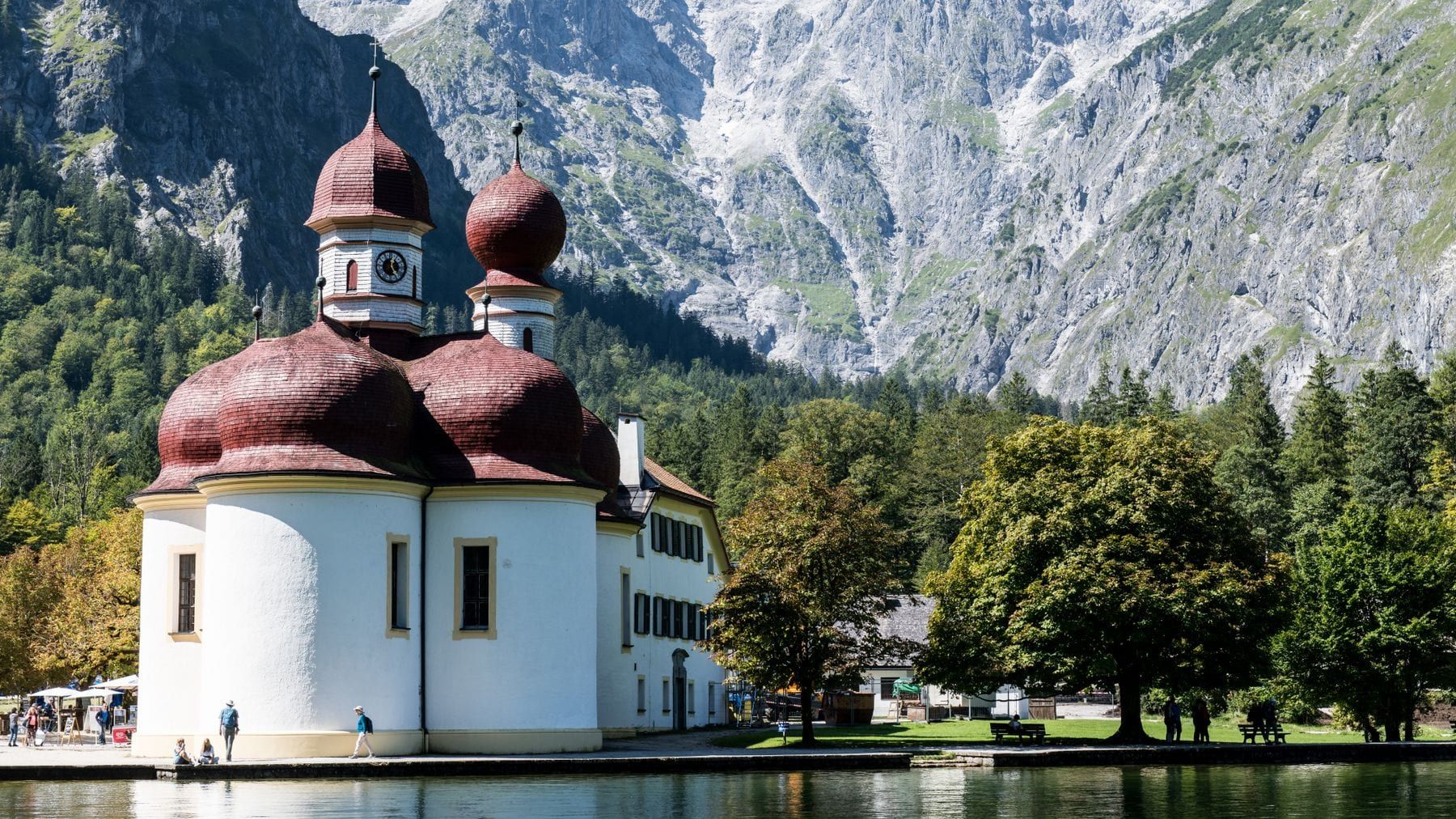
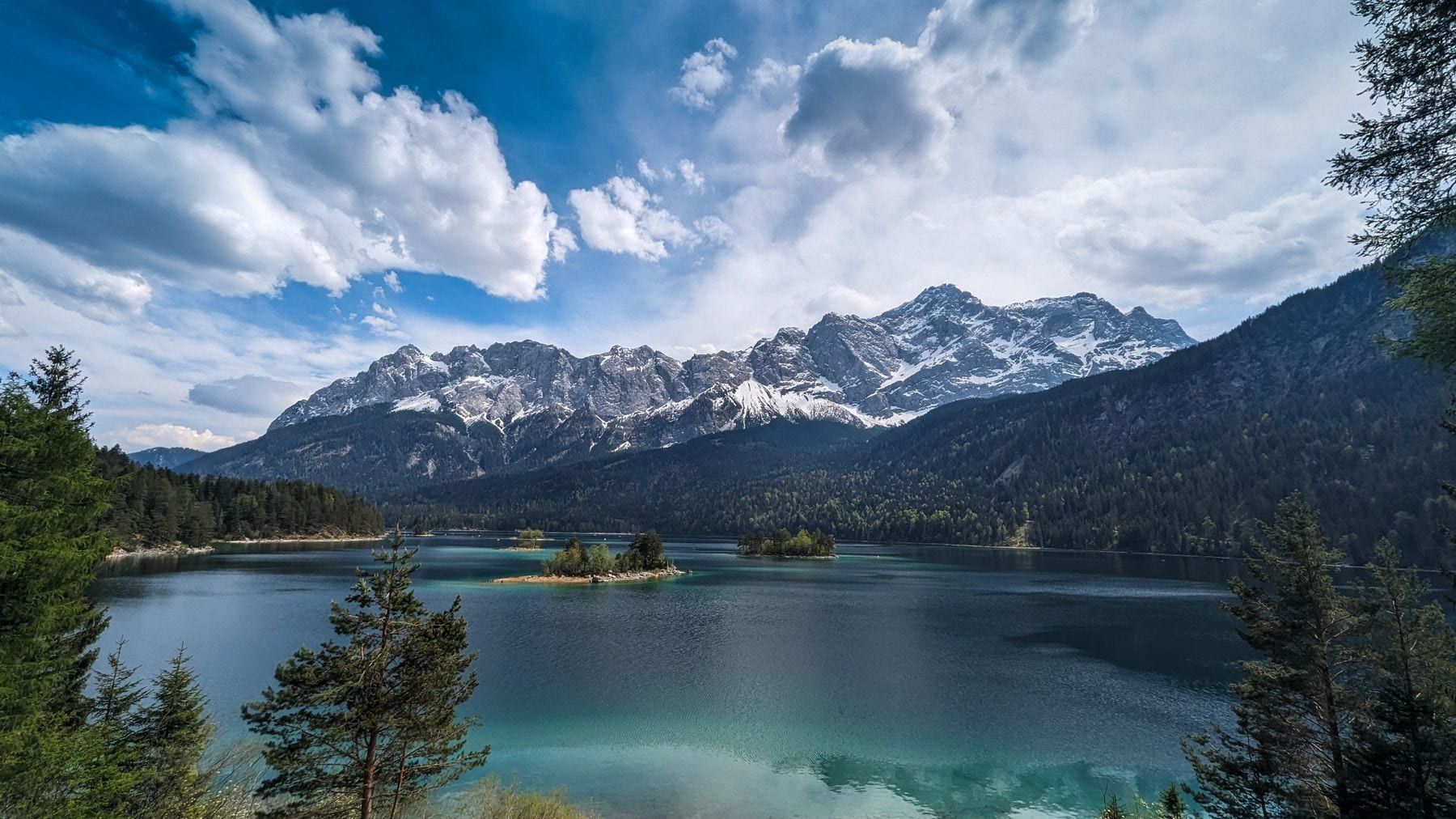
Berchtesgaden was a state of its own for over 700 years, and that explains why the place still does not feel entirely Bavarian. In 1102 Augustinian canons founded a priory here, and because there was salt under the ground, the monastery became a prince-provostry that was immediate to the Empire from the 13th century until 1803, meaning it answered only to the emperor, with its own coinage, its own court and a salt mine that has been producing without interruption since 1517. The salt brought wealth and quarrels with the Archbishop of Salzburg, who ran the same business twenty kilometres away. Alongside it, woodcarving developed: Berchtesgadener War, wooden toys and chip boxes, went as far as Russia and America. In 1810 the land came to Bavaria, and the Wittelsbachs turned the provostry into their hunting lodge; Crown Prince Rupprecht lived here until 1955. The painters of Romanticism discovered the Königssee, which with its fjord-like character and the pilgrimage chapel of St. Bartholomä became the most painted lake in Germany; since 1909 the boats have run on electricity, back then out of consideration for the fish and the quiet, today an argument in itself. The dark period began in 1923, when Hitler found refuge on the Obersalzberg above the town and from 1933 had the whole plateau converted into the Führer's restricted area, with the Berghof, houses for Göring and Bormann, barracks, bunkers and the Kehlsteinhaus, which Bormann had built at 1,834 metres for Hitler's 50th birthday in 1938. Chamberlain and Schuschnigg were received here, and the decision to invade Poland was taken here. In April 1945 the Royal Air Force bombed the Obersalzberg, the remains were blown up, and only the Kehlsteinhaus survived intact. The Americans used the site as a recreation area until 1995, then Bavaria built the documentation centre and the hotel. In 1978 the Berchtesgaden National Park was founded, Germany's only alpine national park, with the Watzmann, the Königssee and the Steinernes Meer. Today the market town of Berchtesgaden has 8,000 inhabitants, the valley basin with Schönau, Ramsau and Bischofswiesen around 30,000, and Salzburg is closer than any Bavarian city.