Activities

Train Travel and JR Pass

From Tokyo to Kyoto at 300 kilometres an hour, punctual to the minute, with a bento box on your lap: in Japan the train is not transport but part of the journey.

Best months: JanFebMarAprMayJunJulAugSepOctNovDec

Shinkansen: prices, lines and what to expect

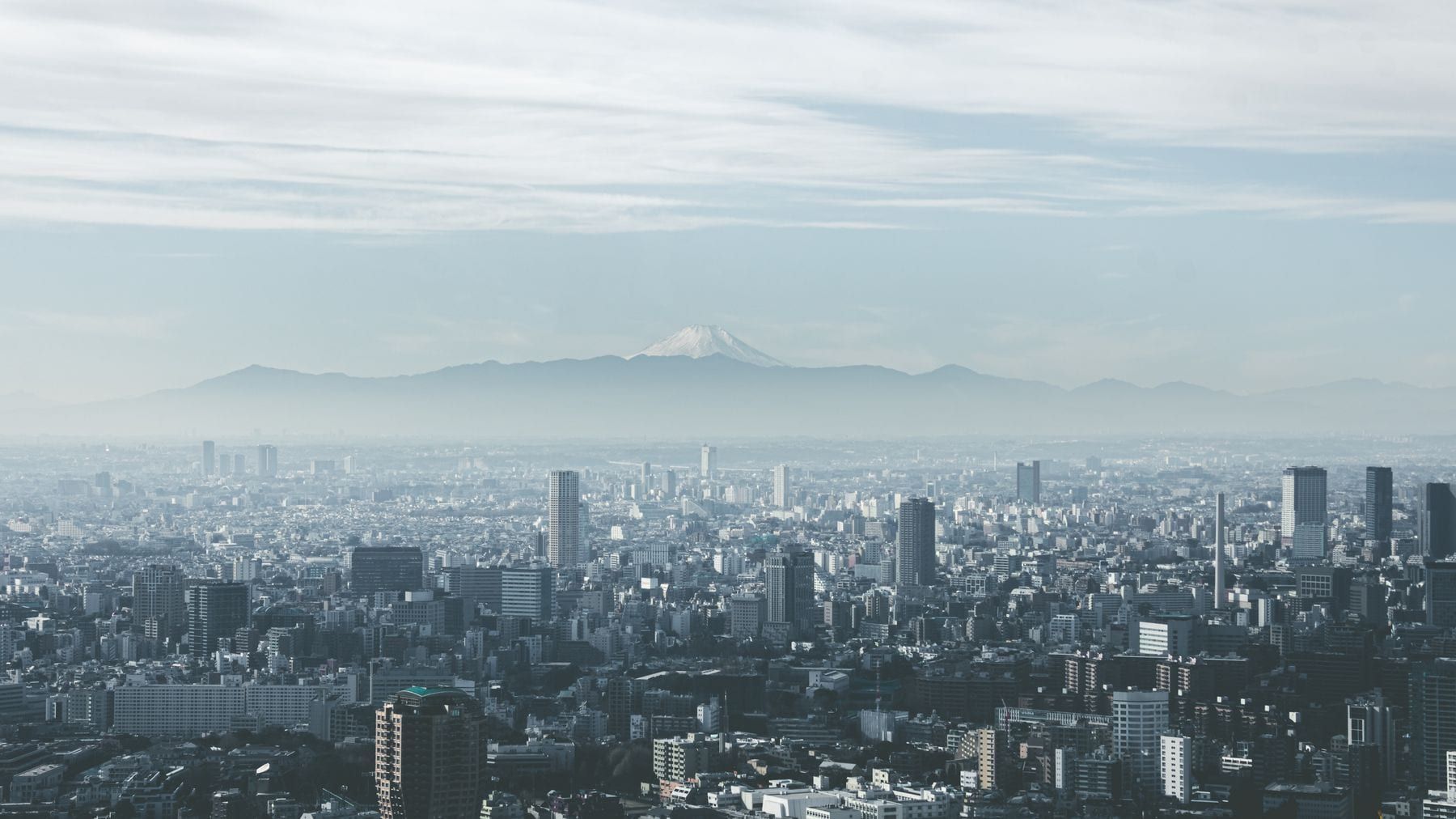
The Shinkansen network links Tokyo north to Hakodate and Aomori, west via Nagoya, Kyoto and Osaka to Hiroshima, Fukuoka, Nagasaki and Kagoshima, plus lines to Kanazawa, Nagano and Sendai. The most important stretch is the Tokaido line Tokyo to Osaka: the fastest type, Nozomi, takes 2 hours 15 minutes to Kyoto and costs around CHF 85 (about EUR 91) one way with a reserved seat; Hikari takes 20 minutes longer and can be used with the JR Pass, Kodama stops everywhere. Tokyo to Hiroshima costs about CHF 115, Tokyo to Kanazawa CHF 85, Tokyo to Hakodate CHF 140. Children pay half, under six travel free without their own seat. There are three classes: Ordinary (comparable to Swiss first class in seat width), Green Car (CHF 30 to 50 extra, noticeably quieter) and Gran Class on some trains. The trains are clean, quiet, have sockets, wifi and toilets but no dining car; buy food beforehand. Smoking has been banned entirely since 2024. The ride past Fuji (right side towards Kyoto, seats E) is the classic photo moment, clouds permitting.
JR Pass: rarely a win since 2023, here is the maths

The Japan Rail Pass is valid on almost all JR trains nationwide, except Nozomi and Mizuho, which can be used for a surcharge. Since the price rise of October 2023 it costs around CHF 320 (about EUR 342) for seven days, CHF 480 for 14 days, CHF 600 for 21 days, Green Car about 40 percent more. The calculation: Tokyo to Kyoto and back costs CHF 170 as single tickets; for the seven-day pass to pay off you need Hiroshima and a side trip on top, so a long ride almost every day. The typical route Tokyo, Kyoto, Osaka, Hiroshima, back to Tokyo adds up to around CHF 300 to 330, so the pass is roughly neutral and buys flexibility: no tickets to buy, spontaneous changes, free seat reservations at the machine. If you land in Tokyo and fly out of Osaka, single tickets are cheaper. If you want to go from Hokkaido to Kyushu in three weeks, the 21-day pass is the better deal. You buy the pass online or through travel agents before the trip and exchange it for the ticket at the station with your passport. For single tickets the SmartEX app (Tokaido and Sanyo) is handy, with small early-booking discounts; otherwise the machines at every station, in English, with a credit card.

Regional passes: the better deal for most

The regional JR companies sell passes for foreign visitors that almost always pay off because they are cheap and tailored to side trips. JR West: the Kansai Area Pass (from CHF 17, about EUR 18, for one day) covers Kyoto, Osaka, Nara, Kobe and Himeji by local train; the Kansai-Hiroshima Area Pass (five days, around CHF 100) adds the Sanyo Shinkansen to Hiroshima and the ferry to Miyajima, the deal of the year for anyone combining Kyoto and Hiroshima. The Kansai Wide Area Pass (five days, CHF 70) reaches Kinosaki, Okayama and Kurashiki. JR East: the Tohoku Area Pass (five flexible days, around CHF 180) covers Shinkansen to Sendai, Aomori and Akita, so Matsushima, Ginzan and Nyuto. The Hokuriku Arch Pass (seven days, CHF 150) links Tokyo via Kanazawa with Osaka and allows Takayama with a bus combination. JR Hokkaido: Rail Pass for five or seven days at CHF 125 to 160, covering Sapporo, Hakodate, Furano and Otaru. JR Kyushu: Northern Kyushu Pass, three days CHF 75 for Fukuoka, Nagasaki, Beppu and Kumamoto. All are valid only with tourist status in your passport and available online in advance or at the major stations. Prices change; the calculator on japan-guide.com shows current figures.

Reservations, luggage, IC card: the practice

Most Shinkansen have reserved and non-reserved cars (cars 1 to 3 usually free seating). A reservation costs CHF 2 to 6 (about EUR 2 to 6) extra or is free with a pass; done in a minute at the machine. Between Tokyo and Kyoto you almost always get a seat on weekdays; on public holidays, at weekends and in Golden Week in early May, the Obon week in mid August and around New Year you reserve days ahead. Hayabusa to Hokkaido and some Limited Express trains require reservations. Luggage rule: on the Tokaido, Sanyo and Kyushu Shinkansen, suitcases over 160 centimetres in total (height plus width plus depth) need a reserved seat with luggage space in the last row, otherwise you face a CHF 6 fee and a spot in the conductor's compartment. A normal cabin case stays under the limit, a large suitcase does not. The solution is called takkyubin: you send your suitcase overnight from hotel to hotel for CHF 12 to 20 and travel with a daypack. For local trains and subways you load an IC card (Suica, Icoca, also digital on iPhone) with credit; it works nationwide and at vending machines and konbini. Limited Express are the fast conventional trains with a surcharge, such as Thunderbird to Kanazawa, Haruka to Kansai airport or Kamome to Nagasaki.

Ekiben, the Sunrise Seto night train and lines to enjoy

Ekiben are station bento boxes with regional specialities, CHF 6 to 12 (about EUR 6 to 13) at the kiosk or in the ekiben hall at Tokyo station with over 150 kinds; eating on the Shinkansen is expressly welcome, on local trains less so. The Sunrise Seto is the last regular night train in Japan: daily from Tokyo at 9.50 pm to Takamatsu on Shikoku, with its sister Sunrise Izumo to Izumo. The cheapest option is nobinobi, a carpeted berth with a curtain, for the base fare of around CHF 90 with no surcharge; single cabins cost CHF 45 to 80 extra and sell out within minutes of release a month ahead. The Sagano Romantic Train runs in 25 minutes from Arashiyama near Kyoto through the Hozu gorge to Kameoka (CHF 5), back by boat on the river (CHF 25) or on the JR line; reserve weeks ahead for autumn colours and cherry blossom. The Kurobe Gorge Railway from Unazuki Onsen in Toyama runs in open carriages through one of the deepest gorges in Japan, CHF 12 to 20; after the 2024 earthquake the line was at times only partly open, so check before you go. On Hokkaido, the coastal line Sapporo to Hakodate on the Hokuto Limited Express (3.5 hours, sea views near Oshamambe), the ride to Furano through the fields and in winter the Kushiro wetland train with cranes are all worth it. Other classics: the Gono line on the Aomori coast, the Hisatsu line on Kyushu, the Sanriku coastal railway in Tohoku.

Tours worth booking

JR Pass 7, 14 or 21 days

The nationwide pass for anyone covering long distances in a short time, for example Tokyo, Kyoto, Hiroshima and back or right across the country. Buy before the trip, exchange for the ticket at the station. Do the maths first to see whether it pays off.

View & book →

JR West Kansai-Hiroshima Area Pass

Five days of Kyoto, Osaka, Nara, Himeji, Hiroshima and Miyajima including the Sanyo Shinkansen. For most first-time visitors the cheaper alternative to the nationwide pass.

View & book →

Sagano Romantic Train and Hozu river boat from Kyoto

Half-day tour from Kyoto with a ride on the scenic train through the Hozu gorge and the return by boat, plus time in the Arashiyama bamboo grove. With a reservation you would hardly get yourself.

View & book →

Hokkaido Rail Pass

Five or seven days on all JR Hokkaido trains from Sapporo to Hakodate, Furano, Otaru and Asahikawa. Pays off from two long rides on the big northern island.

View & book →

Suica or Icoca IC card with credit

The contactless ticket for subways, local trains, buses and konbini across the country. Buy in advance or at the airport; digital on iPhone it is ready to use at once.

View & book →

Tokyo to Kyoto Shinkansen ticket with seat reservation

Single journey on the Nozomi or Hikari with a reserved seat, on the Fuji side on request. For anyone without a pass, the simple booking in your own language, delivered as a QR code or for collection at the machine.

View & book →

If you book through these links we earn a small commission, at no extra cost to you.

Where

Frequently asked questions

Is the JR Pass still worth it?

Rarely. Since October 2023 the seven-day pass costs around CHF 320 (about EUR 342). The standard route Tokyo, Kyoto, Hiroshima and back to Tokyo costs about CHF 300 to 330 as single tickets, so you save nothing but gain flexibility. If you fly open-jaw (into Tokyo, out of Osaka) or only visit Kansai, single tickets and regional passes are much cheaper. For three weeks across the country the 21-day pass pays off.

What does the Shinkansen from Tokyo to Kyoto cost?

Around CHF 85 (about EUR 91) one way with a reserved seat on the Nozomi, about CHF 80 in the non-reserved car. Early-booking fares via the SmartEX app save a few francs. Children aged 6 to 11 pay half. The journey takes 2 hours 15 minutes, with trains every 10 to 15 minutes.

Do I have to reserve seats?

Usually not, but it is free with a pass and cheap otherwise. On the Tokaido line there are always non-reserved cars. You should reserve at weekends, in Golden Week in early May, in the Obon week in mid August, around New Year and when you have large luggage. Hayabusa to Hokkaido and some Limited Express trains require reservations.

How does the 160 centimetre luggage rule work?

On the Tokaido, Sanyo and Kyushu Shinkansen: suitcases over 160 centimetres in total (height plus width plus depth) need a reserved seat in the last row with luggage space behind it, free when you reserve. Without a reservation you pay a CHF 6 (about EUR 6) fee. A cabin case stays under the limit. The most comfortable solution is takkyubin luggage shipping from hotel to hotel for CHF 12 to 20.

Are there night trains in Japan?

Only one regular one left: Sunrise Seto and Sunrise Izumo run daily from Tokyo to Takamatsu and Izumo. The nobinobi carpet berth costs only the fare of around CHF 90 (about EUR 96), cabins CHF 45 to 80 extra. Cabins are gone within minutes a month ahead; for nobinobi your chances are better. With a JR Pass nobinobi is free. Luxury trains like the Seven Stars are a different price class.

Related events

Apr 29

Golden Week

Public holiday · Japan

29 April 2027 29 April to 5 May; in 2027 up to seven days in a row with a bridge day on 30 April Nationwide

Four public holidays in one week, Showa Day (29 April), Constitution Day (3 May), Greenery Day (4 May) and Children's Day (5 May), make Golden Week the biggest travel wave of the year: half of Japan is on the move. Reserved shinkansen seats are gone weeks ahead, motorway tailbacks stretch over 40 kilometres, and hotels in Kyoto, Okinawa and the Alps charge double, if anything is left at all. Sights, shops and restaurants are open, but Kyoto's temples and Tokyo Disneyland are simply overrun. On the plus side, carp streamers (koinobori) fly everywhere and the cherries are in bloom in Hakodate.

For travellers: Travel before 25 April or after 7 May, or stay in one place that week; if you have to move, book hotels and shinkansen seats on the first day of advance sales a month ahead, or use the non-reserved cars.

Aug 13

Obon (Festival of the Ancestors) and Mountain Day

Public holiday · Japan

13 August 2027 Mountain Day 11 August public holiday, Obon 13 to 16 August; company holidays usually 11 to 16 August Nationwide

At Obon the souls of the ancestors return home for three days, and half of Japan returns to its hometowns with them. Obon is not a public holiday, but most companies close for the best part of a week around Mountain Day (11 August), and travel reaches its third peak of the year after New Year and Golden Week: shinkansen at 150 percent occupancy, traffic jams, domestic flights at double the price. Sights stay open; small restaurants in provincial towns close. Bon odori is danced everywhere in the evenings, in Kyoto the Daimonji fires burn on five mountains at 8 pm on 16 August, and lanterns are set afloat on rivers. Add 35 degrees and typhoon risk.

For travellers: Reserve shinkansen seats a month ahead when sales open, or do not travel at all on the peak days of 13 and 16 August; the bon odori evenings at village shrines are open to everyone and a highlight of any summer trip.