Germany · Road trip · 8 days

Rhine and Moselle

In your own car from Basel to Cologne, then upstream through the castle valley of the Middle Rhine, into the loops of the Moselle to the winemakers and back via Heidelberg. Eight days of castles, Riesling and ferries.

The route, day by day

  1. Day 1 to 2

    Cologne: Cathedral at 6.30 am, Kölsch with Rules and the Car in the Garage

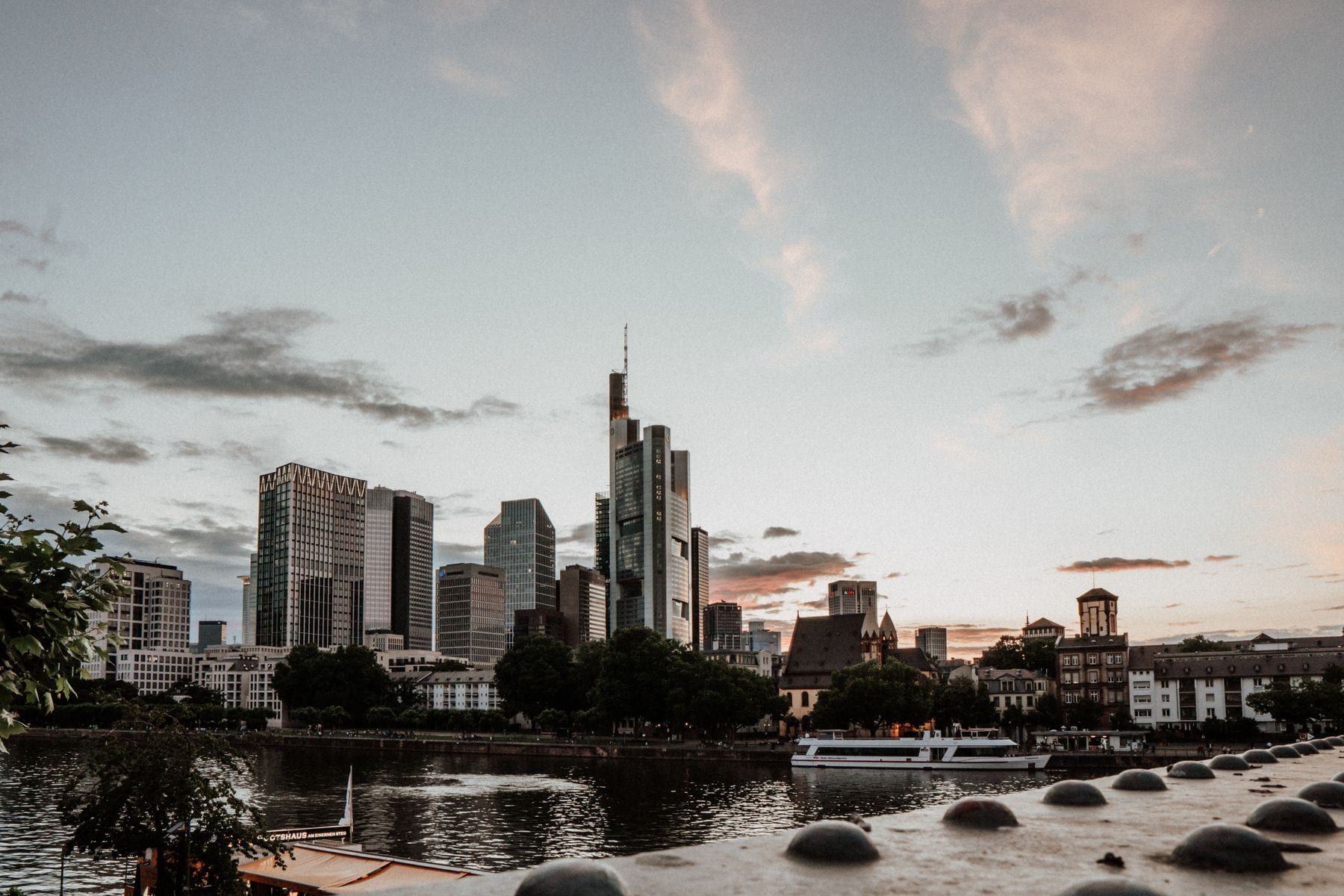
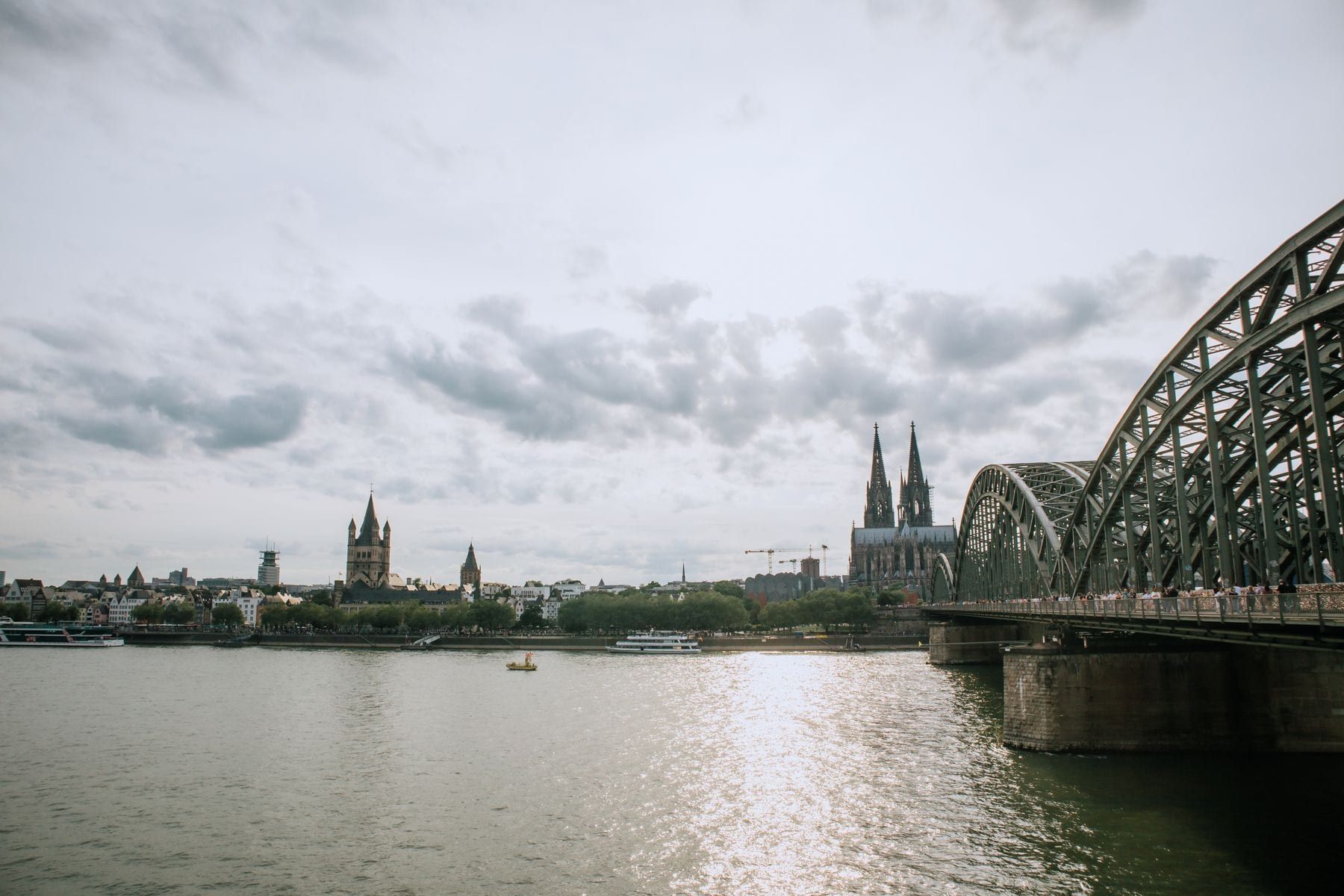
    From Basel you drive 500 kilometres on the A5 and A61 to Cologne, five hours without jams, six on Fridays around Frankfurt and Koblenz, or take the ICE from Basel in four hours and hire the car in Cologne. You do not need it in the city: a hotel with garage in the Neustadt-Süd or the Belgisches Viertel, CHF 110 to 140 (about EUR 118 to 150) for a double, parking CHF 20 to 25 a night. Day 1 evening at a Brauhaus: Kölsch in the 0.2 litre Stange, the Köbes keeps refilling until you put the beer mat on your glass, Halver Hahn and Himmel un Ääd for CHF 15. Day 2 at 6.30 am into the cathedral when it opens, empty, then the 533 steps up the tower (CHF 6) before the tour groups, then Museum Ludwig, afternoon Rhine promenade and Hohenzollernbrücke, Ehrenfeld in the evening. On into the Middle Rhine valley: 130 kilometres, A555 and A61 to Koblenz in an hour, then along the left bank on the B9 via Boppard and St. Goar to Bacharach, another hour, three with a stop at the Deutsches Eck.

    Tours at this stop: Cologne Cathedral tour with tower climb ↗Brauhaus tour of Cologne ↗Rhine panorama cruise Cologne ↗

    Open the Cologne travel guide →
  2. Day 3 to 4

    Bacharach: Castles, the Loreley and Ferries instead of Bridges

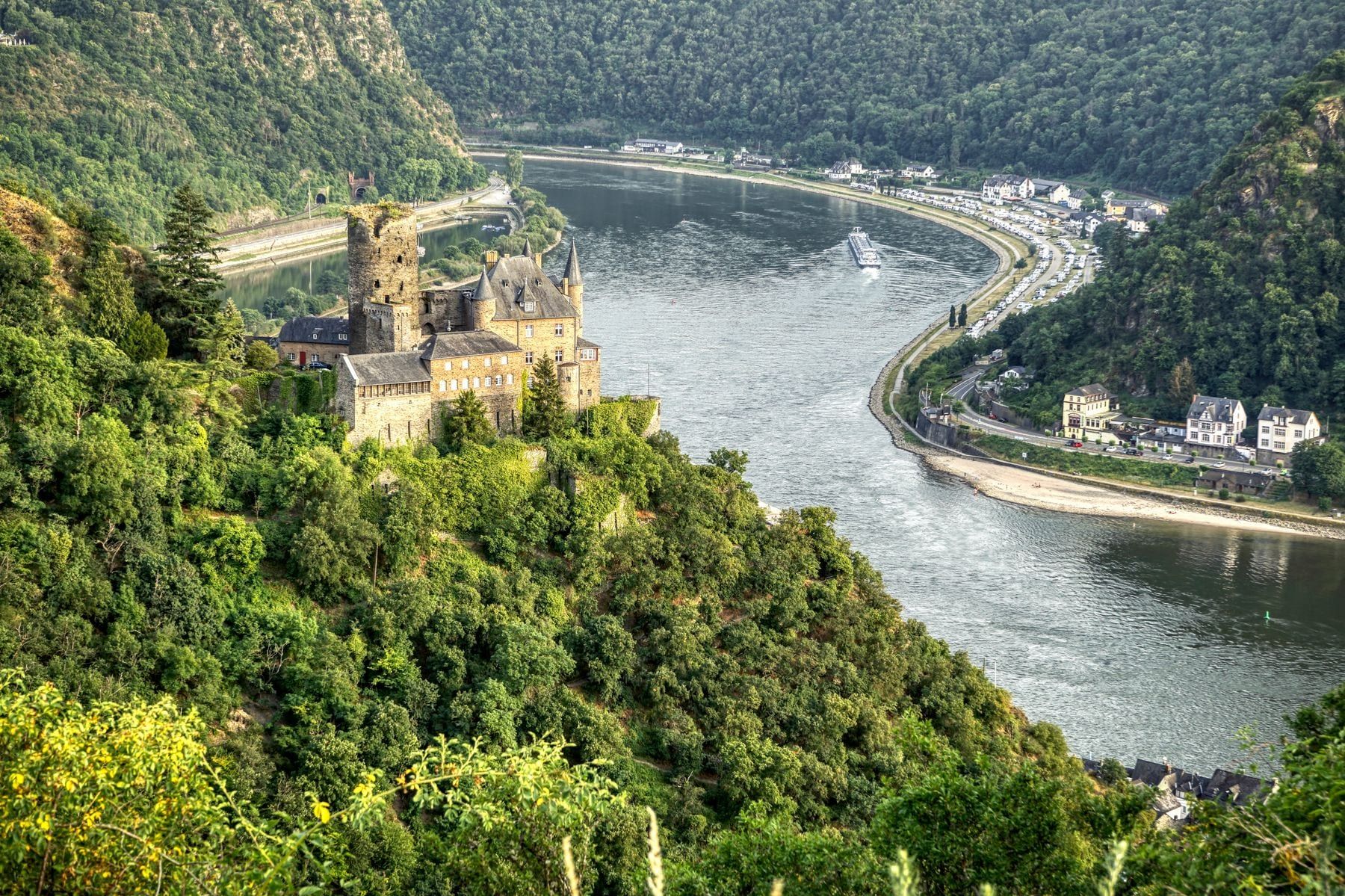
    Between Koblenz and Rüdesheim there is no bridge for 65 kilometres, only car ferries at Boppard, St. Goar, Kaub and Bingen for CHF 5 to 6 (about EUR 5 to 6) per car, and that is part of the pleasure. You stay two nights in Bacharach, the prettiest town in the valley, in a wine tavern with rooms on the Oberstrasse, CHF 100 to 130 for a double, or up in Burg Stahleck youth hostel with the best view for CHF 35. Day 3 afternoon: walk the town wall circuit, Riesling in the wine tavern in the evening. Day 4: drive to Braubach for the Marksburg, the only Rhine hilltop castle never destroyed, tour CHF 10, then the St. Goar ferry and up to the Loreley plateau, impressive as a rock, sobering as a myth; lunch in Oberwesel with the most complete town wall, then the Kaub ferry for the Pfalzgrafenstein toll castle in the river. Without a car, take the KD boat to St. Goar and the train back. On to the Moselle: 100 kilometres, B9 to Koblenz, then the B49 along the river to Cochem, two hours, two more with the detour to Burg Eltz from Moselkern.

    Tours at this stop: KD Rhine cruise Bacharach to St. Goar ↗Marksburg guided tour in Braubach ↗Riesling tasting in Bacharach ↗

    Open the Upper Middle Rhine Valley travel guide →
  3. Day 5 to 6

    Moselle: Calmont, Winery Rooms and Riesling from the Slate

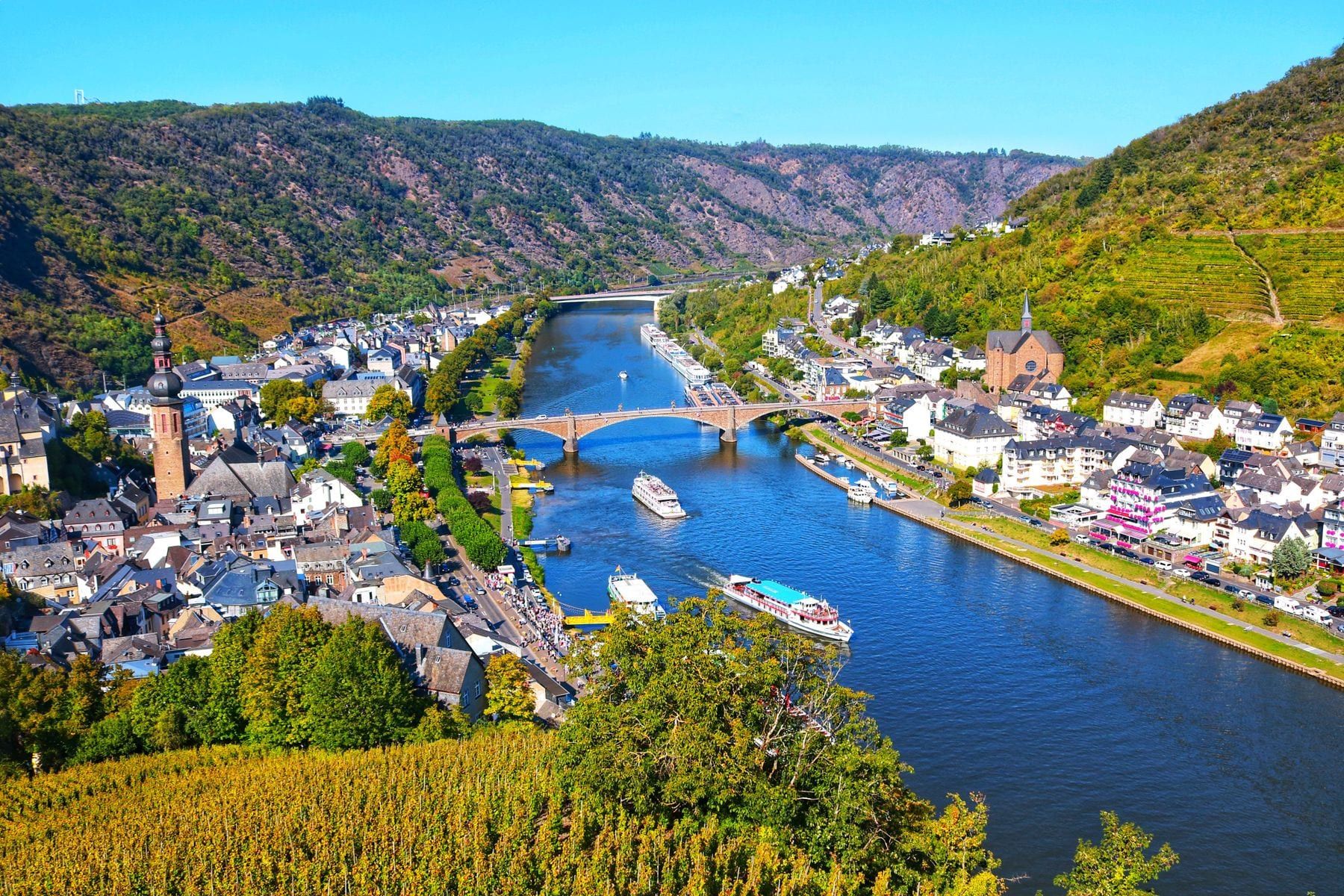
    The Moselle is the quieter river, and you do not stay in Cochem, overrun by coach groups, but 50 kilometres upstream in Bernkastel-Kues or a Middle Moselle village such as Zeltingen, Wehlen or Ürzig, at a winery with guest rooms for CHF 80 to 110 (about EUR 86 to 118) for a double and an evening tasting of five to six wines for CHF 10 to 20. Day 5 on the way: Cochem briefly for the Reichsburg from outside, then Bremm for the Calmont via ferrata through the steepest vineyard in Europe, a 65 degree slope, three hours of ladders and cables, sturdy shoes and a head for heights required; the view into the Moselle loop is the best in the valley. Day 6: cycle the Moselradweg from Bernkastel to Traben-Trarbach in the morning, 25 flat kilometres, bike CHF 15, lunch at a Strausswirtschaft, Bernkastel with the Spitzhäuschen and market square in the afternoon, Riesling from slate sites such as Wehlener Sonnenuhr straight from the producer in the evening. On to Heidelberg: 220 kilometres on the A1, A61 and A6, two and a half hours, four with a stop at the Porta Nigra in Trier.

    Tours at this stop: Winery tasting in Bernkastel-Kues ↗Burg Eltz ticket and guided tour ↗Moselle boat trip from Bernkastel ↗

    Open the Moselle travel guide →
  4. Day 7 to 8

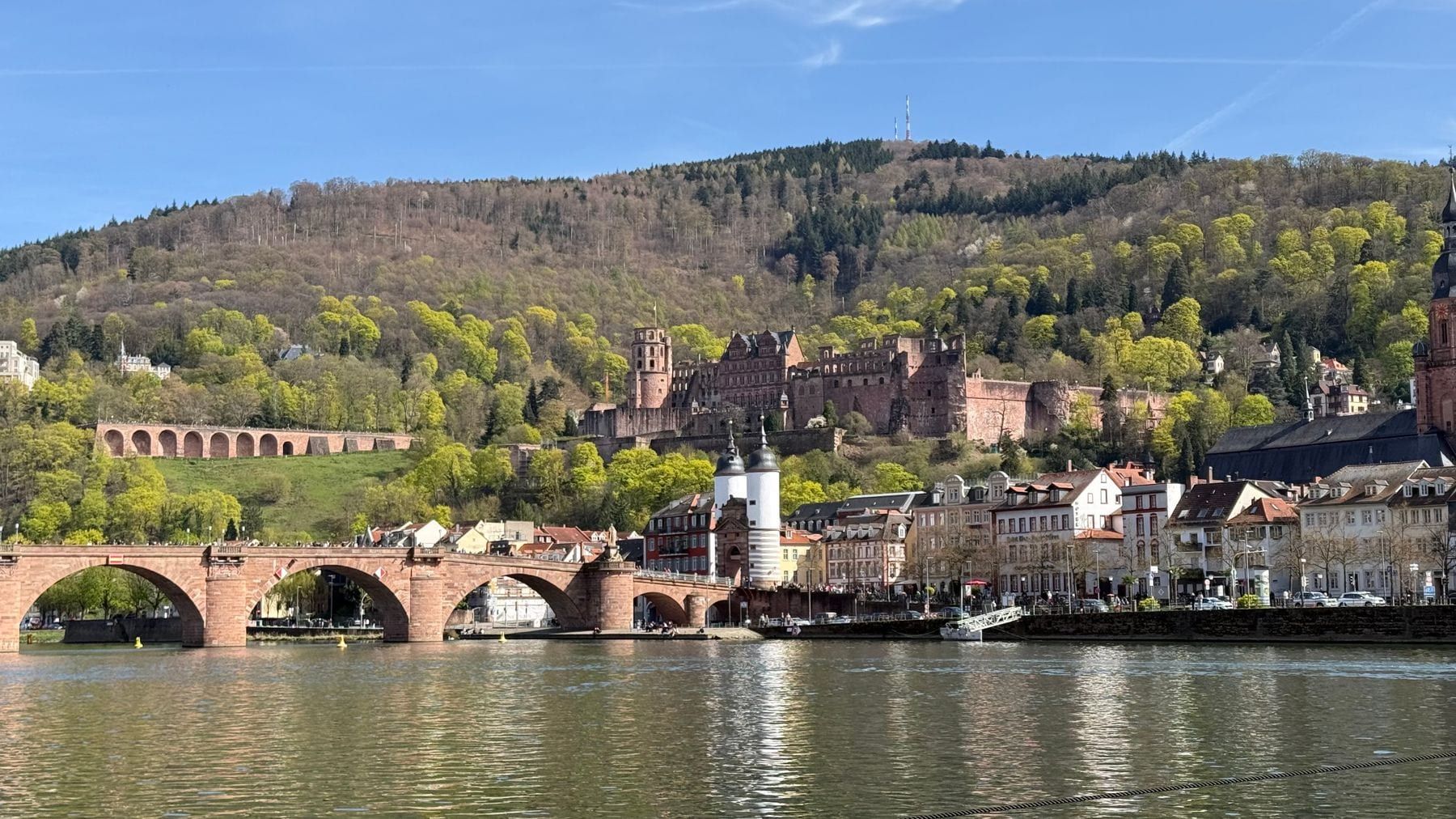
    Heidelberg: Castle at 8 am, Philosophenweg and the Drive Back to Basel

    Heidelberg is the urban finish, an hour and a half from Basel by car, and it works like its castle: timing beats tickets. You arrive on the afternoon of day 7, park under the Kornmarkt (CHF 20 to 25 (about EUR 21 to 27) a day) and walk down the Hauptstrasse, Germany's longest pedestrian street, with a student pub on the Untere Strasse in the evening, beer CHF 4, a plate CHF 12 to 16. Stay in the old town between Bismarckplatz and Karlstor or more quietly in Neuenheim across the Neckar, CHF 120 to 160 for a double; Heidelberg is expensive for Germany. On day 8 the castle courtyard opens at 8 am and the coaches arrive around 10, so for two hours you have the Altan terrace, the Fassbau and the rooftop view almost to yourself for CHF 10 including the funicular, then over the Alte Brücke onto the Philosophenweg for the postcard view. Return: leave at midday, 280 kilometres on the A5 to Basel, three hours, four on a Friday with jams around Karlsruhe. If you hired in Cologne, return the car at the Hauptbahnhof and take the ICE to Basel in 1 hour 40.

    Tours at this stop: Heidelberg Castle guided tour ↗Heidelberg old town walk ↗

    Open the Heidelberg travel guide →

If you book through these links we earn a small commission, at no extra cost to you.

What the route costs

Rough total per person for the whole route, mid-range, travelling as a pair. Flights and hotels vary by season; details are on the destination pages.

  • Getting there 86 EUR
  • Accommodation 449 EUR
  • Food 385 EUR
  • Local mobility 193 EUR
1,113 EUR
Total per person · 8 days

Money & payment: You pay in euros (EUR). Germany is fonder of cash than Switzerland: bakeries, kiosks and small restaurants often say "cash only", though cards work almost everywhere from about EUR 10. Tip 5 to 10 percent by rounding up and naming the total when you pay.

Rental car for this route

A rental comparison link will follow once the partner programme is live. Until then, compare directly with the rental companies or at your arrival airport.

Tips for the route

Reversing the direction makes sense for travellers from Zurich and eastern Switzerland: via Heidelberg to the Moselle, then down the Rhine to Cologne and home on the ICE or the A61. The advantage is that you start with the short stage and build up to the cathedral. The downside: the drive home from Cologne is the longest stretch of the week at 500 kilometres, tackled when you are tired.

Own car or hire car? Your own car saves CHF 250 to 350 (about EUR 268 to 375) per person and only needs the green emission sticker for Cologne and Heidelberg (CHF 6 to 15 from TÜV or Dekra, order online beforehand) and breakdown cover valid in Germany. If you do not want eight hours of motorway, take the ICE to Cologne, hire there and drop off in Heidelberg; one way hire within Germany costs a CHF 50 to 80 surcharge.

Wine tastings and driving do not mix, which is why the bases are chosen so that you can walk to the winemaker in the evening. Germany's limit is 0.5 per mille, 0.3 in the event of an accident, and checks on wine festival weekends are routine. Plan tastings for the evening and driving for the morning, and on the Calmont day and the cycling day leave the car where it is.

September and October are the months of the wine festivals on the Rhine and Moselle, with the harvest, Federweisser new wine and onion tart; almost every village has its festival on one weekend, Bernkastel in early September, Bacharach in late August and mid October. Hotels are then full and winery rooms gone months ahead. May and June are green, quiet and CHF 20 (about EUR 21) cheaper, and the Calmont is not yet hot.

Driving in the valley: the B9 on the Rhine and the B49 on the Moselle are two lane riverside roads with limits of 70 to 100, 50 through the villages, many motorbikes at weekends and motorhomes in summer. The Rhine ferries run every 15 to 20 minutes until about 8 pm, Kaub and Boppard later; card payment is not accepted everywhere, so carry CHF 10 (about EUR 11) in euro coins. Burg Eltz has a car park with a shuttle bus, CHF 3.

Frequently asked questions about Rhine and Moselle

How long do you need for the Rhine and Moselle?

Eight days with four bases is the right measure: two days Cologne, two days Middle Rhine, two days Moselle, two days Heidelberg with the drive home. Every stage is under 250 kilometres, and you never drive more than three hours at a stretch. If you only want the rivers, leave out Cologne and Heidelberg and you are done in five days.

When is the best time to go?

May, June, September and October. In early summer the vineyards are green, the villages empty and the Calmont pleasant to walk. September and October bring the harvest, wine festivals, Federweisser and golden slopes, but also full hotels. July and August are hot, the riverside roads crowded, and on hot weekends the Rhine runs low and boats are cancelled.

Can you do the route without a car?

On the Rhine, yes: railways on both banks, ferries and KD boats link all the little towns, and the ICE takes you from Basel to Cologne and back from Heidelberg. The Moselle is harder because Bernkastel has had no station since 1962; you take the train to Bullay or Wittlich and continue by bus, or hire a bike and use the Moselradweg. Here the car saves time, not money.

What does the route cost per person?

Around CHF 1,040 (about EUR 1,113) per person for two in your own car: CHF 80 fuel for the journey there and back, CHF 420 for seven nights in mid range hotels and winery rooms, CHF 360 for food and CHF 180 for fuel en route, ferries, car parks, boat and wine tastings. With a hire car from Cologne add CHF 250 to 300 per person; with winery rooms and Strausswirtschaft taverns you save CHF 150.

What is driving on the Rhine and Moselle like?

Easy but slow. The riverside roads are two lane, winding and full of motorhomes and motorbikes at weekends, but the panorama is constant. Rhine ferries replace bridges between Koblenz and Bingen. Car parks in Cochem, Bernkastel and Heidelberg are full by midday, so come early or late. German motorways are toll free; Cologne and Heidelberg require the green emission sticker.

Is there a shorter or longer version?

Shorter in five days: ICE to Koblenz, hire car there, two nights Bacharach, two nights Bernkastel, drop off in Trier and home by train. Longer in eleven days: a night in Trier for the Porta Nigra and the imperial baths, a night in Rüdesheim with the Niederwalddenkmal and the cable car, and a third day in Cologne for Brühl with Schloss Augustusburg or a side trip to Bonn.

More itineraries through Germany