Switzerland · Rail trip · 8 days

Glacier and Bernina Express

The two most famous railway lines in the Alps in one loop: from the Matterhorn over the Oberalp Pass into the Engadin, over the Bernina to Tirano and back through the Gotthard. No car, no changing trains with a suitcase in the rain, and you sleep where the panoramic trains only pass through.

The route, day by day

  1. Day 1 to 2

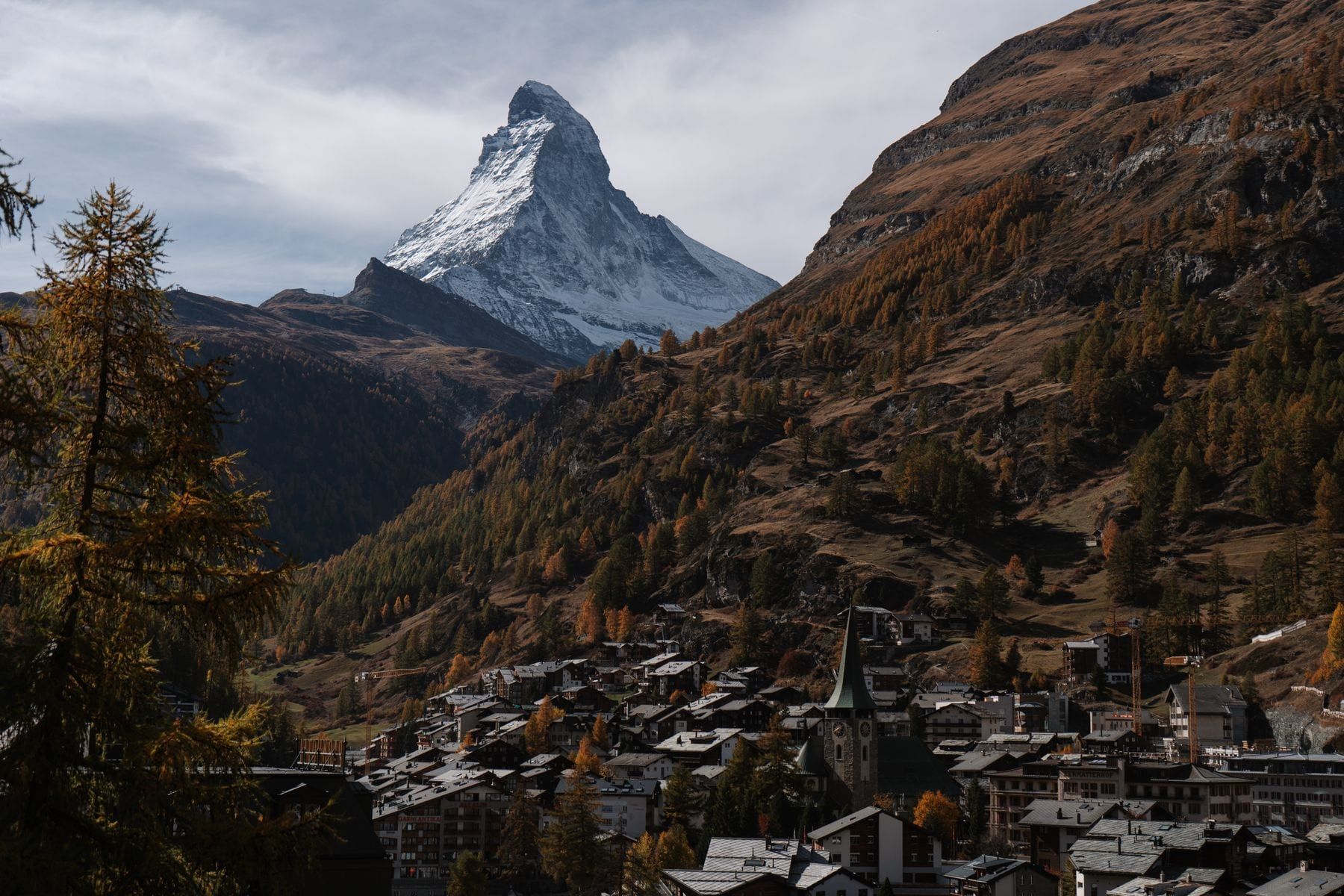
    Zermatt: Arriving beneath the Matterhorn

    From Zurich you travel via Bern to Visp and on with the Matterhorn Gotthard Bahn to Zermatt in a good three hours, around CHF 65 (about EUR 70) one way with a Half Fare Card, the same time from Basel. Take the eight o'clock train and you are in the village by noon; drop the suitcase at the hotel and spend the afternoon walking through the old core with its granaries on stone slabs and out to Zmutt, an hour gently uphill, the same back. Day two is your Matterhorn day: first Gornergrat train at about seven, around CHF 65 return with a Half Fare Card, the view of 29 four-thousanders at the top, then from Rotenboden on foot to the Riffelsee and on down to Riffelberg, two hours downhill. In the afternoon Sunnegga and the Findeln hamlets, or the Matterhorn Museum in poor visibility. Sleep in a mid-range hotel in the village centre, CHF 250 to 300 for a double, a little quieter in Winkelmatten. On to Chur: Glacier Express from Zermatt at nine or ten, arriving late afternoon, just under six hours, or the regional trains with changes in Andermatt and Disentis in the same time.

    Tours at this stop: Gornergrat railway ticket ↗Zermatt village walk ↗

    Open the Zermatt travel guide →
  2. Day 3

    Chur: Over the Oberalp on the Glacier Express

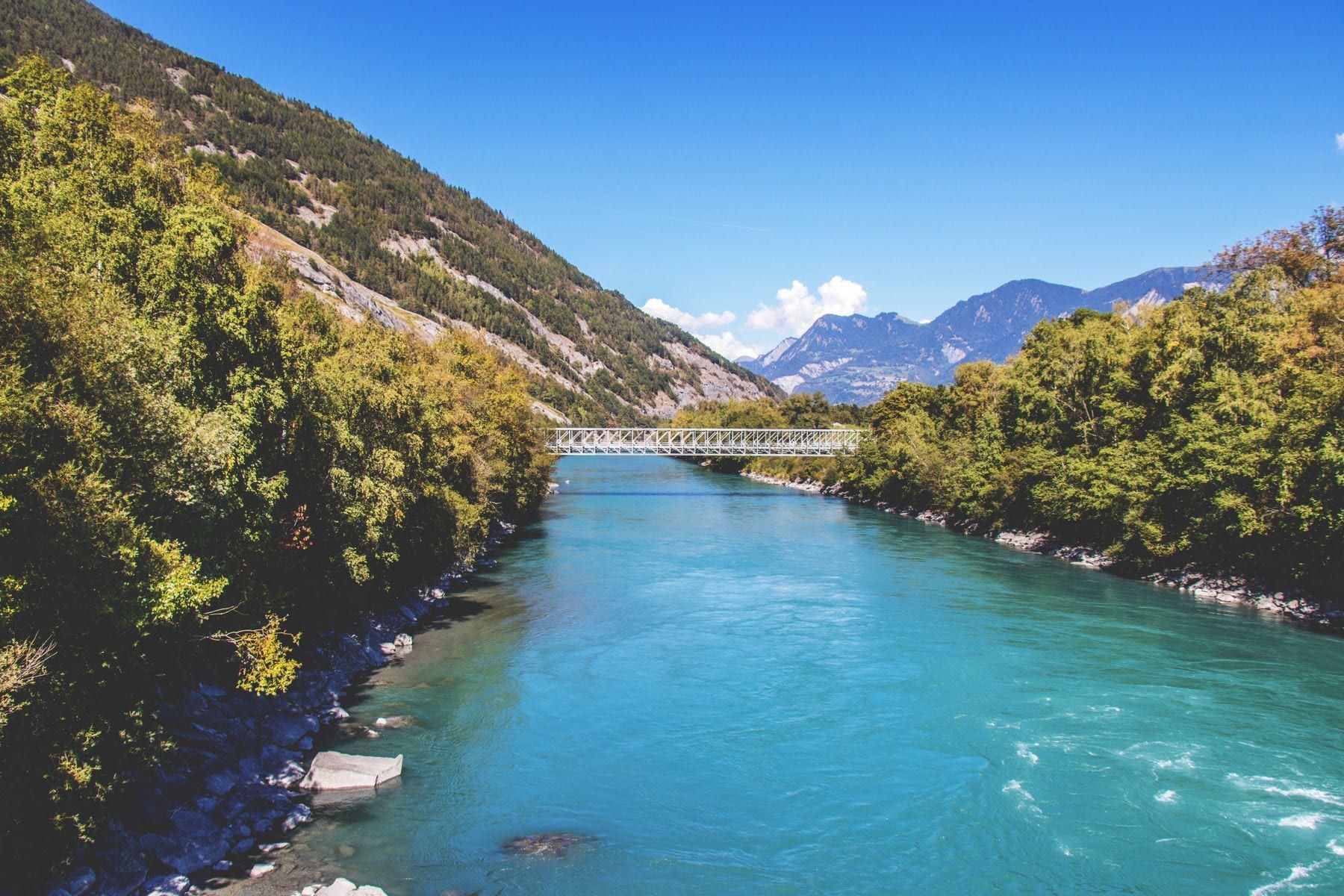
    The Glacier Express is called the slowest express train in the world because it covers 291 kilometres in eight hours; your section to Chur takes just under six. You run down the Matter valley to Visp, up the Rhone valley through the Goms, by rack rail over the Oberalp Pass at 2,033 metres, the highest point, and from Disentis through the Rhine Gorge with its white rock walls to Chur. In the panoramic coach lunch is served at your seat, three courses around CHF 50 (about EUR 54); the reservation costs CHF 44 to 49 and the ticket with a Half Fare Card around CHF 75. The alternative: regional trains of the Matterhorn Gotthard Bahn and the Rhaetian Railway on exactly the same line, no reservation, windows that open, changes in Andermatt and Disentis. In the evening in Chur there is time for the old town between Postplatz and the Bishop's Court and Capuns in the Welschdörfli. Sleep in a small old town hotel, mid-range CHF 150 to 180. On to St. Moritz: Rhaetian Railway over the Albula line, two hours, hourly, around CHF 20 with a Half Fare Card.

    Tours at this stop: Glacier Express reservation ↗Chur city tour ↗

    Open the Chur travel guide →
  3. Day 4 to 5

    St. Moritz: Albula Line, Lakes and Diavolezza

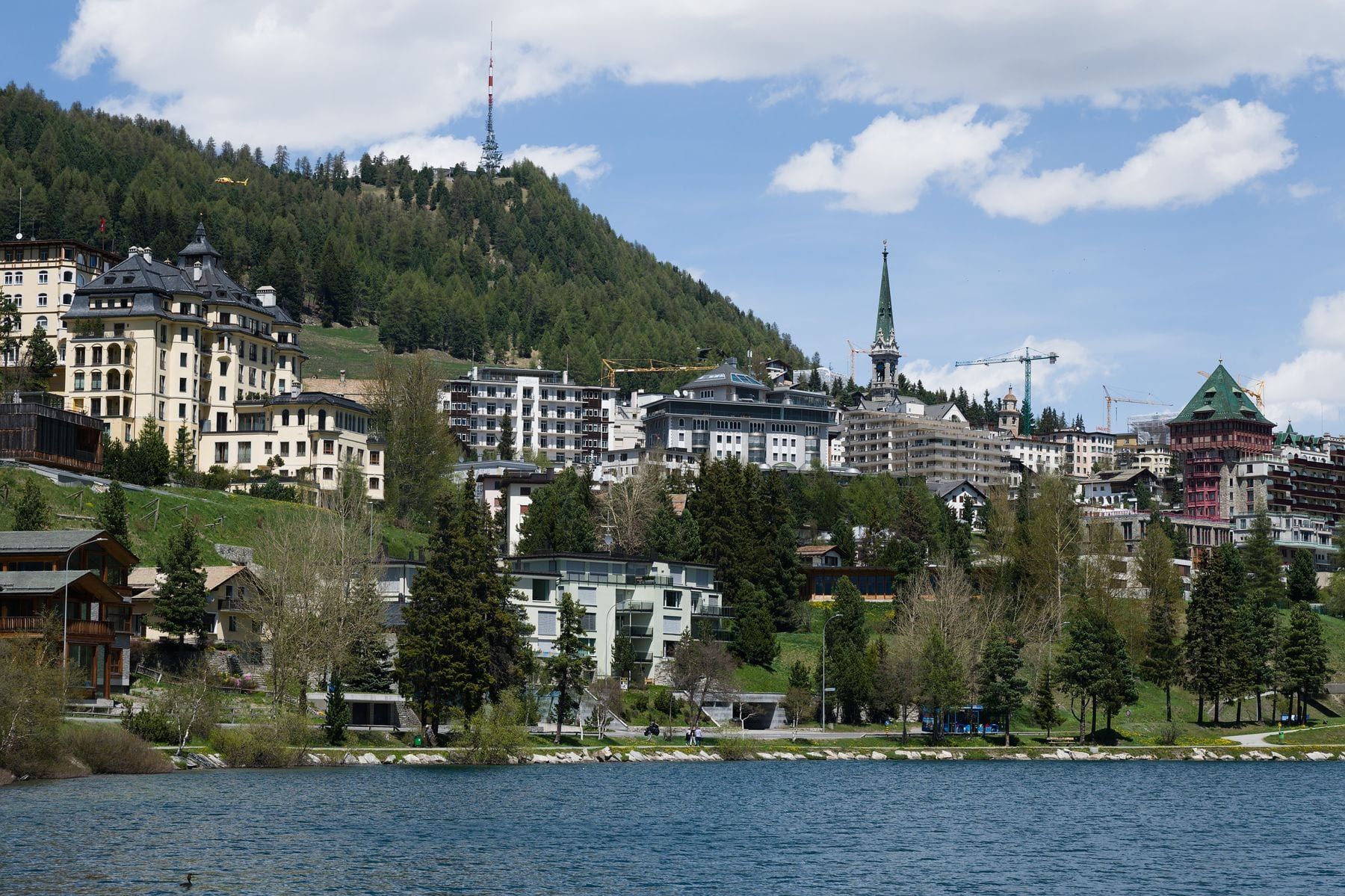
    The Albula line is a UNESCO World Heritage Site and just as beautiful from a regional train as from a panoramic coach: the Landwasser Viaduct near Filisur on the right, the spiral tunnels above Bergün where the train passes beneath itself three times, then the Albula tunnel and the open high valley. Get off in Bergün if you have time; the Albula Railway Museum explains what you have just seen. You sleep not in St. Moritz itself but in Pontresina, ten minutes further by train, mid-range CHF 180 to 220 (about EUR 193 to 235) instead of 300. On day two either the Diavolezza cable car, around CHF 25 with a Half Fare Card, with the view of Piz Palü and the Morteratsch Glacier from the top, then on foot down to Morteratsch station along the glacier trail, or the lakes walk from Sils to Silvaplana with the Engadin Bus back. In the evening have a look at St. Moritz Dorf; you need no more than that. On into the Poschiavo valley: Bernina Express from Pontresina or St. Moritz, two hours to Poschiavo, the regional train takes just as long but stops everywhere.

    Tours at this stop: Diavolezza cable car ↗Guided Engadin lakes walk ↗

    Open the St. Moritz and the Engadin travel guide →
  4. Day 6

    Bernina: Over the Pass to Alp Grüm and Poschiavo

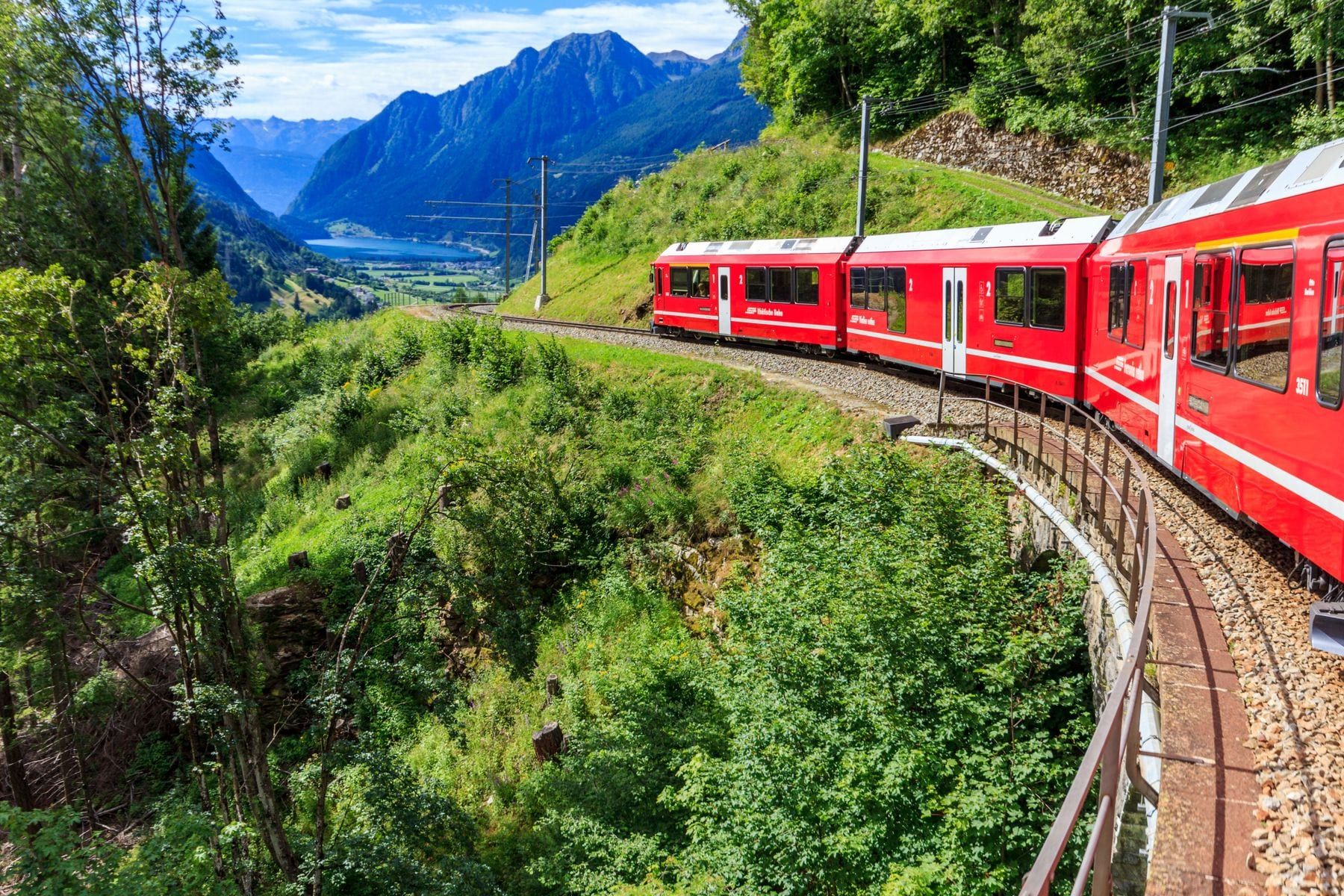
    The Bernina line climbs 1,800 metres of altitude without a rack, and you notice it at the Brusio spiral viaduct, where the train corkscrews down in a circle. Leave Pontresina in the morning, get off at Ospizio Bernina at 2,253 metres, walk an hour along the Lago Bianco to Alp Grüm, where the station restaurant terrace hangs directly above the Palü Glacier, and take the next regional train down from there. Then Cavaglia with its glacier mills, five minutes from the station, and in the afternoon Poschiavo, a small town with Italian palazzi, cobblestones and pizzoccheri in the osterie. You stay the night here, mid-range CHF 140 to 170 (about EUR 150 to 182) for a double, while the panoramic trains roll on to Tirano. If you want the Bernina Express you pay CHF 36 for the reservation and sit under glass; the regional train costs only the fare, around CHF 12 from St. Moritz to Poschiavo with a Half Fare Card, and has open-air viewing cars in summer. On to Lugano: train to Tirano, 40 minutes, then the Bernina Express Bus along Lake Como, three hours, or regional trains via Milan.

    Tours at this stop: Bernina Express reservation ↗Cavaglia glacier mills ↗

    Open the Bernina Express and Val Poschiavo travel guide →
  5. Day 7 to 8

    Lugano: Grotto, Gandria and Back through the Gotthard

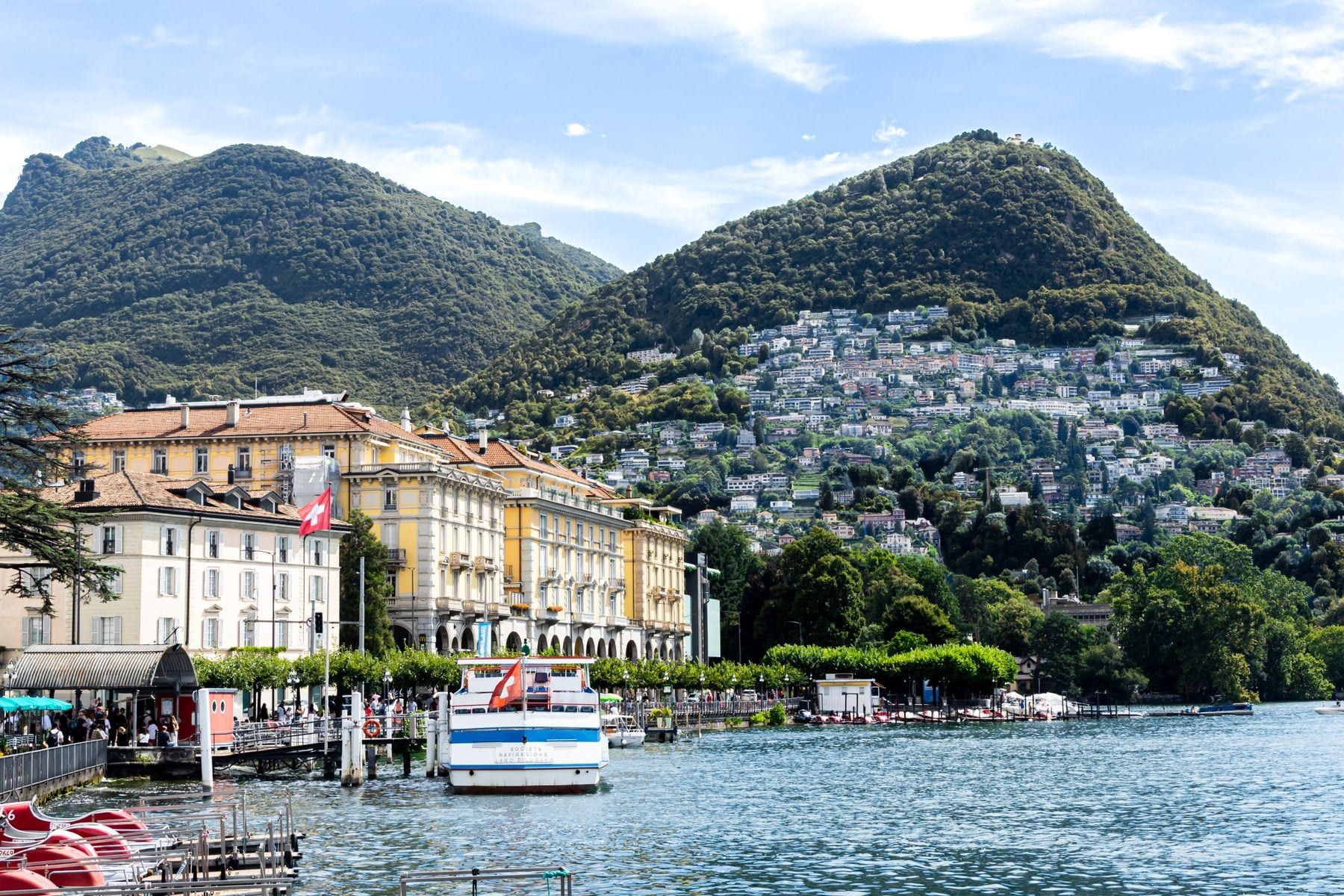
    The Bernina Express Bus runs from Tirano through the Valtellina and along the west shore of Lake Como to Lugano, reservation required, around CHF 50 (about EUR 54) with fare and supplement; in winter it runs only on a limited basis, so you then take Trenord to Milan and the Eurocity to Lugano. By late afternoon you are at the lake, walking through the old town to the quay, gelato included. The last full day belongs to the water: boat to Gandria, thirty minutes, a village without a road, with stepped lanes and grotto terraces above the lake, back on foot along the olive trail to Castagnola, an hour. In the afternoon Monte San Salvatore by funicular from Paradiso, CHF 16 with a Half Fare Card, or simply the lido in the heat. In the evening a real grotto outside the centre, polenta and brasato for CHF 30 to 40. Sleep on the hillside above the town rather than on the quay, mid-range CHF 170 to 200; the Ticino Ticket from your hotel makes public transport free. Getting home: Eurocity or IC through the Ceneri and Gotthard base tunnels, 1 hour 55 to Zurich, three hours to Basel.

    Tours at this stop: Lake Lugano boat trip to Gandria ↗Monte San Salvatore ↗Ticino grotto food tour ↗

    Open the Lugano travel guide →

If you book through these links we earn a small commission, at no extra cost to you.

What the route costs

Rough total per person for the whole route, mid-range, travelling as a pair. Flights and hotels vary by season; details are on the destination pages.

  • Getting there 107 EUR
  • Accommodation 770 EUR
  • Food 514 EUR
  • Local mobility 407 EUR
1,798 EUR
Total per person · 8 days

Money & payment: You pay in Swiss francs (CHF). Cards and the Twint app work practically everywhere, even on alpine pastures. Many shops accept euros but give change in francs at a poor rate. Service is included in prices; rounding up is customary.

Tips for the route

In reverse the loop is just as good and often cheaper: Zurich to Lugano through the Gotthard, bus to Tirano, up the Bernina, down the Albula, Glacier Express to Zermatt. Advantage: you begin with the cheapest place and end with the Matterhorn as the finale. Disadvantage: the Glacier Express then leaves Chur in the afternoon and only reaches Zermatt in the evening, pushing the Gornergrat to the next morning.

The Swiss Travel Pass is only for travellers resident abroad; eight days cost around CHF 420 (about EUR 449) and cover all trains, buses and boats on this route plus museums, but not the reservations. If you live in Switzerland, travel with a Half Fare Card and Supersaver tickets, which you buy in the SBB app from 60 days ahead: Zurich to Zermatt is then available from CHF 35 instead of 65.

Reservations are the only obligation: Glacier Express CHF 44 to 49 (about EUR 47 to 52) per person and direction, Bernina Express CHF 36 in summer, the Bernina Express Bus from Tirano to Lugano CHF 16. In July, August and on October weekends the panoramic coaches are full four to eight weeks ahead. The regional trains on the same tracks need no reservation and run open-air cars in summer.

Luggage is the issue on any rail trip: with SBB luggage forwarding you send your suitcase from station to station for CHF 12 (about EUR 13) per piece, door to door from CHF 30, so you get off with only a rucksack and go walking at Ospizio Bernina. Hand in by 7 pm, arrival the day after next, so only for bases with two nights.

Remember which side to sit: Zermatt to Chur sit on the right for the Rhone valley and the Rhine Gorge, Chur to St. Moritz on the right for the Landwasser Viaduct, over the Bernina to Poschiavo on the right for Lago Bianco and the Palü Glacier. On a regional train you simply change sides; in the panoramic coach you are pinned down. Panoramic coach windows reflect, so photos come out better from the regional train.

June to October is the season, with October and its golden larches in the Engadin the most beautiful month. In winter everything runs just the same, and the Glacier Express through snow is an experience of its own, but the Tirano to Lugano bus is partly suspended and Poschiavo is quiet. Zermatt and Pontresina have low season in May and November, when hotels and mountain railways close for weeks.

Frequently asked questions about Glacier and Bernina Express

How long do you need for the rail tour?

Eight days is the honest frame: two nights in Zermatt, one in Chur, two in the Engadin, one in the Poschiavo valley, one in Lugano. Six days works if you only pass through Chur and Poschiavo, but then you have three travel days in a row. With ten days you add two nights in Lugano or stay longer on the Albula.

When is the best time for the Glacier and Bernina Express?

June to mid-October, because then the walks at the Riffelsee, on Alp Grüm and at Morteratsch are snow-free and the regional trains run open-air viewing cars. October has the golden larches and fewer visitors. In winter the journey is white and quiet; then plan without the Tirano bus and with more time in Zermatt and Pontresina.

Is the panoramic coach worth it or is the regional train enough?

The regional train runs on the same tracks, without reservation, with windows that open and a stop at every station, and costs only the fare. The panoramic coach has a glass roof, service at your seat and compulsory reservation. Our advice: book the Glacier Express once as an experience with lunch, ride the Bernina on the regional train, get off and walk.

What does the tour cost per person?

Budget around CHF 1,680 (about EUR 1,800) per person for two in mid-range comfort: travel from Zurich to Zermatt and Lugano to Zurich with a Half Fare Card 100, seven hotel nights 720, food 480, tickets, reservations and mountain railways along the way 380. Without a Half Fare Card add around CHF 250; with a Swiss Travel Pass as a visitor from abroad you pay the flat rate instead of single tickets.

Is the route stressful with luggage and changes?

No. Swiss connections are short but reliable, cross-platform changes are the rule, and if there is a delay the Rhaetian Railway usually waits. Take a rucksack or a small wheeled case, since the panoramic coaches have little storage space, or send the suitcase ahead with SBB luggage forwarding. All stations on the route have lifts or ramps.

Is there a shorter or longer version?

Shorter: Chur, Engadin and Bernina in four days, without Zermatt and Lugano, as a loop from Zurich. Longer: stay a night in Andermatt between Zermatt and Chur and add the Oberalp on foot or by bike, or after Lugano add two days in the Centovalli, whose railway to Domodossola is Switzerland's third great narrow-gauge line.

More itineraries through Switzerland