Switzerland · Road trip · 14 days

Grand Tour of Switzerland

The official Grand Tour is 1,600 kilometres long and needs three weeks. This version takes the best 900 kilometres of it: lakes, the Matterhorn, wine terraces and two old towns in two weeks, with seven bases instead of packing up every day.

The route, day by day

  1. Day 1 to 2

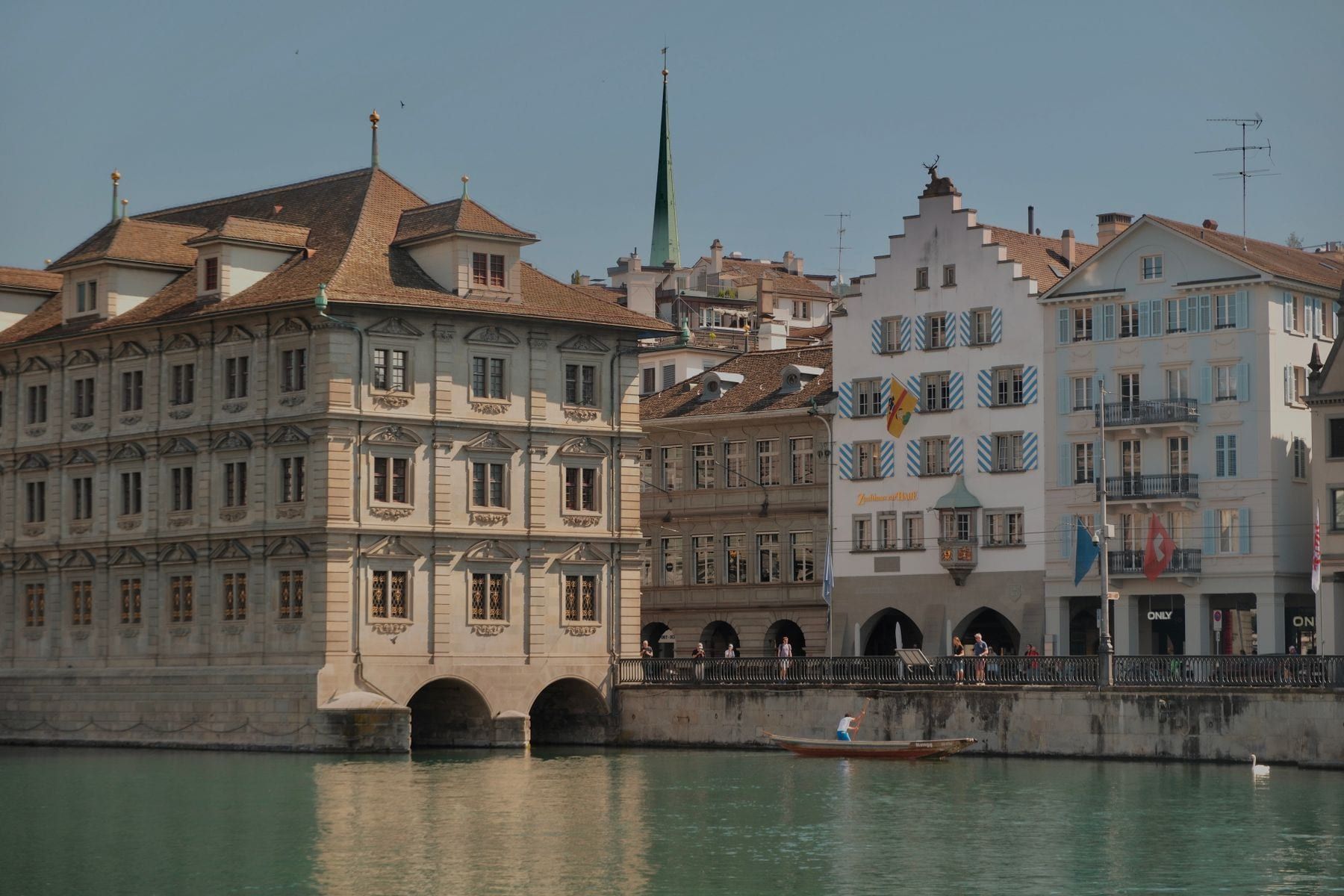
    Zurich: Old Town, Lakeside Baths and No Car Yet

    You start in Zurich, but without a hire car: pick it up on the morning of day three at the main station or the airport, because two days in a car park cost CHF 70 (about EUR 75) and get you nothing. With the 24-hour day pass for zone 110 you ride tram, bus and boat. On the first day Niederdorf, Grossmünster and Lindenhof, then just cross Bahnhofstrasse and follow the lake to the Badi Utoquai, or in early summer the Oberer Letten on the Limmat. In the evening Kreis 4 or 5, Langstrasse, the Markthalle in the Viadukt. On day two take the S10 up the Uetliberg, walk an hour along the ridge to Felsenegg and ride the gondola down to Adliswil. Kunsthaus or Landesmuseum in the afternoon, depending on the weather. Sleep in a mid-range hotel in Zürich West or Oerlikon, around CHF 200 for a double, cheaper at weekends than midweek. On to Lucerne: collect the car, 55 kilometres on the A4 and A14, just under an hour, an hour and a half with a detour to Lake Ägeri.

    Tours at this stop: Zurich old town walking tour ↗Boat trip on Lake Zurich ↗

    Open the Zurich travel guide →
  2. Day 3 to 4

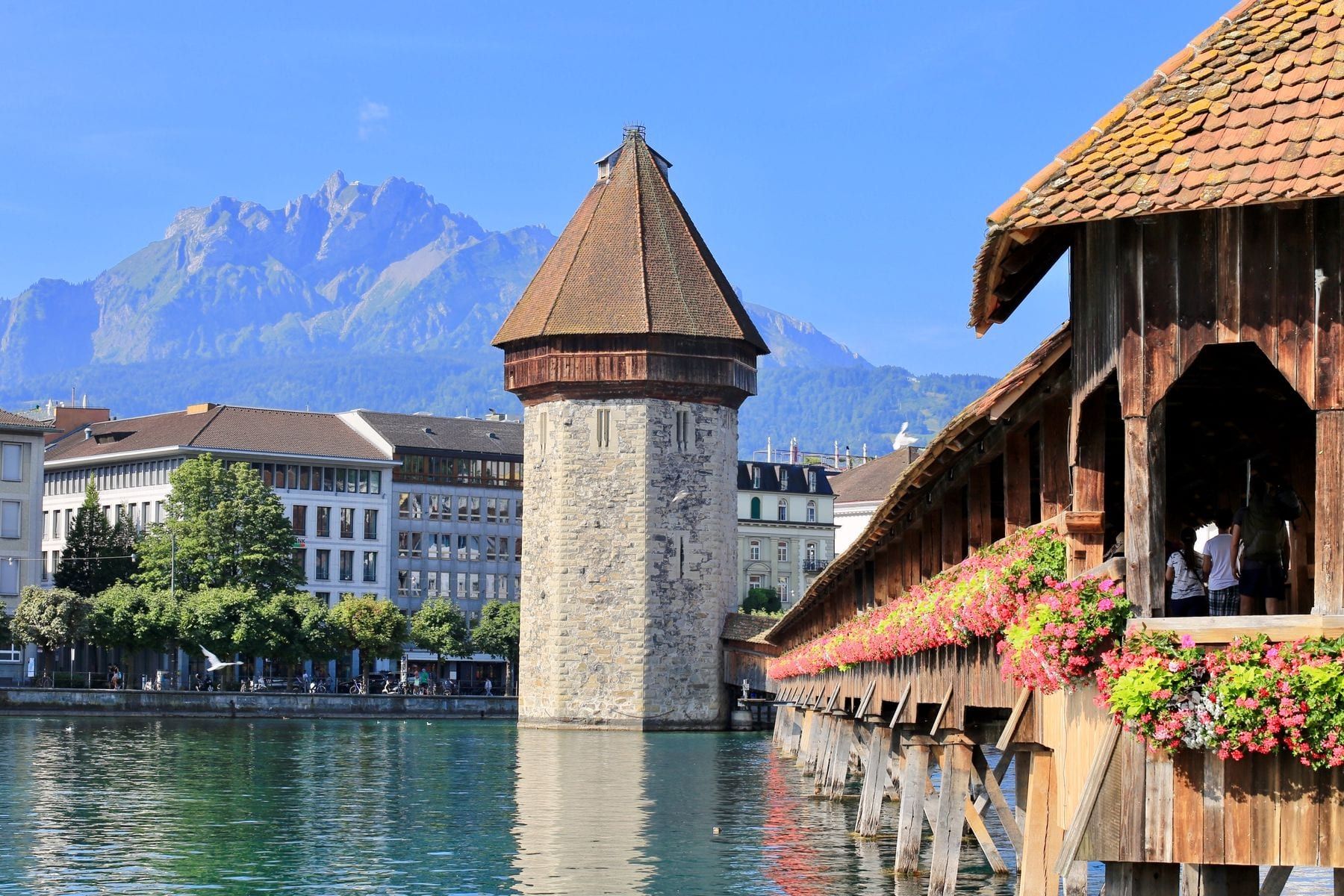
    Lucerne: Chapel Bridge, Pilatus and the Boat as Your Tram

    In Lucerne you leave the car for two days in the car park by the station or at the hotel, CHF 30 to 40 (about EUR 32 to 43) a day, and get around on foot and by boat. On arrival day see the Chapel Bridge before nine or after six, when the groups have gone, then the Musegg Wall with its walkable towers, free, and in the evening a table in the old town away from the lanes along the Reuss. Day two belongs to one mountain, not three: the Golden Round Trip up Pilatus combines the boat to Alpnachstad, the steepest cogwheel railway in the world, the cable car down to Kriens and the bus back, around CHF 115 without, CHF 58 with a Half Fare Card. In a föhn storm the railway does not run, so take the Rigi or the Transport Museum instead. Sleep in a mid-range hotel between station and old town, CHF 220 to 280 for a double in summer, cheaper in Weggis on the lake. On to Interlaken: 70 kilometres via Sarnen and the Brünig Pass, a good hour, nearer three with stops at Lake Lungern and in Brienz.

    Tours at this stop: Pilatus Golden Round Trip ↗Lucerne city tour ↗Lake Lucerne boat cruise ↗

    Open the Lucerne travel guide →
  3. Day 5 to 6

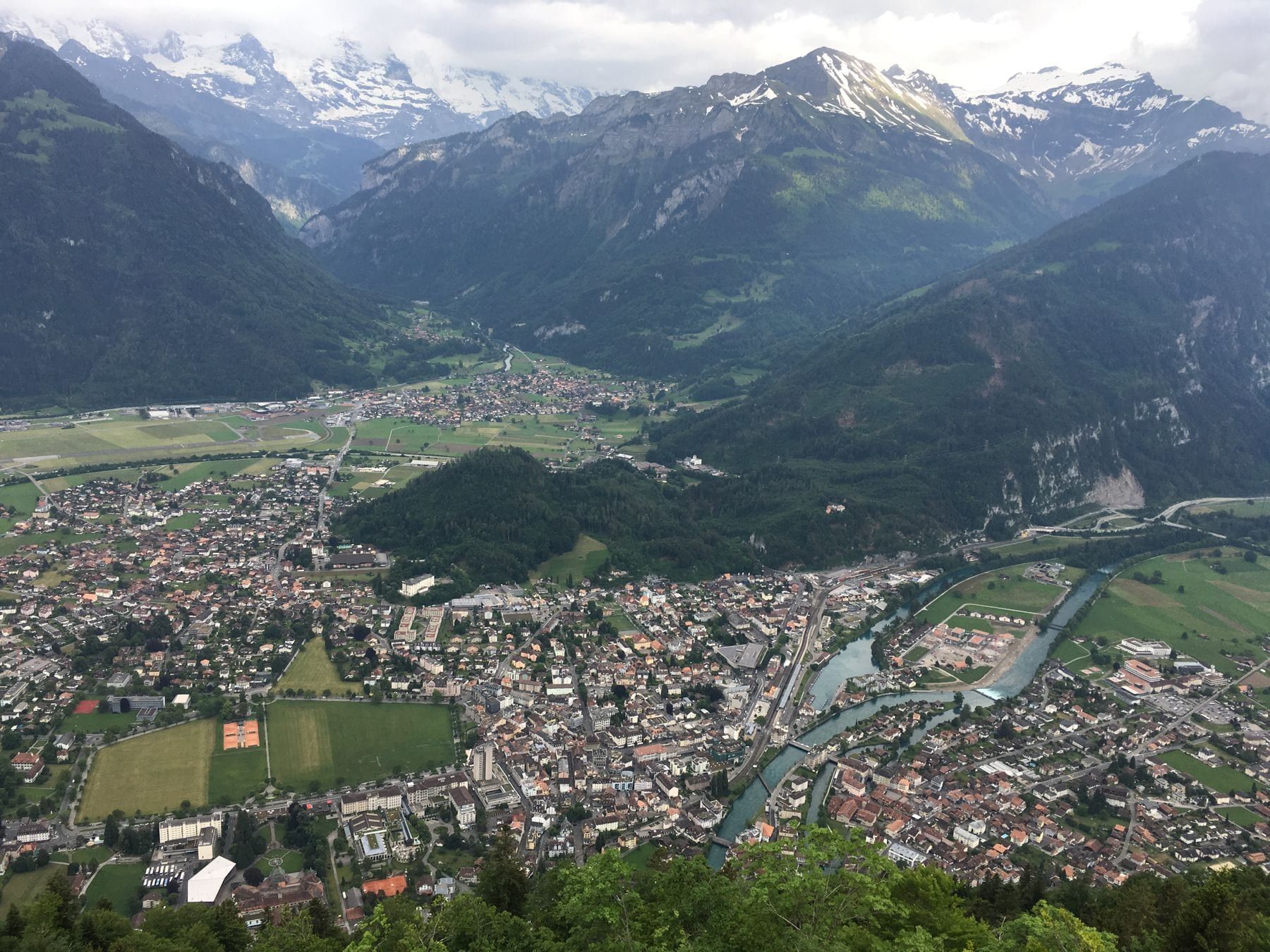
    Interlaken: Two Lakes and a View of the Jungfrau

    Interlaken is the base, not the destination, and here the car finally earns its keep. On the first afternoon drive the south shore of Lake Brienz to Iseltwald, park above the village and walk an hour along the shore to the Giessbach Falls, returning by boat. On day two you choose: the Jungfraujoch via Grindelwald Terminal and the Eiger Express, around CHF 125 (about EUR 134) with a Half Fare Card, reservation included, or for a quarter of the price the Schynige Platte with the old cogwheel railway from Wilderswil and the panorama walk towards the Oberberghorn. Under an overcast sky the Joch is wasted money, so check the webcam in the morning. In the evening take the funicular up Harder Kulm for the viewing platform above both lakes. Sleep in Unterseen or Matten rather than on the Höheweg, mid-range CHF 180 to 240, parking usually free. On to Täsch: 170 kilometres via Meiringen, the Grimsel Pass and the Goms, four hours with photo stops, plus an hour for the detour up the Furka to the Rhone Glacier. Alternative in pass weather: the Kandersteg to Goppenstein car train, two hours.

    Tours at this stop: Jungfraujoch from Interlaken ↗Tandem paragliding Interlaken ↗

    Open the Interlaken and Jungfraujoch travel guide →
  4. Day 7 to 9

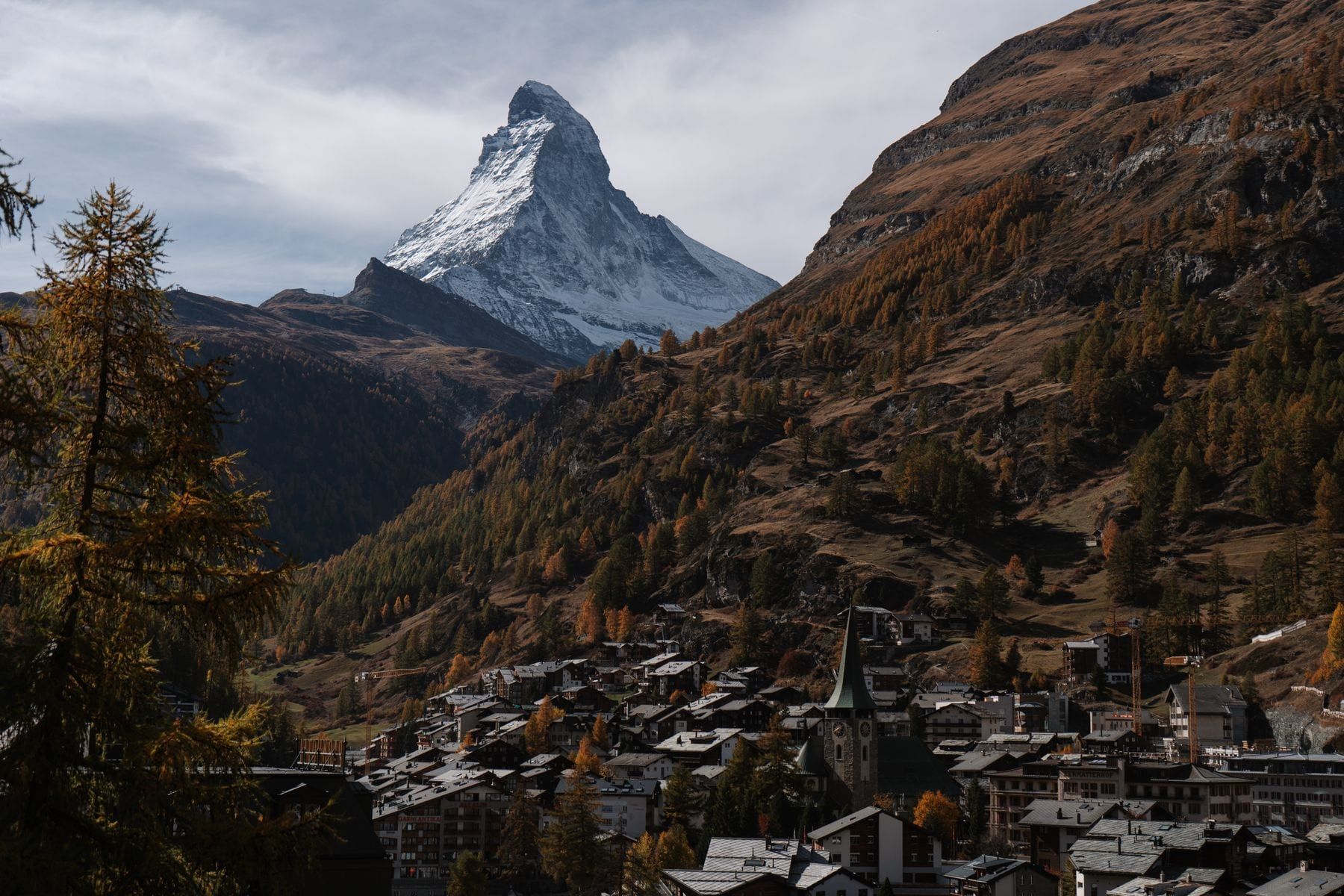
    Zermatt: Car in Täsch, Gornergrat before Eight

    Zermatt is car-free, so you leave the car for three days at the Matterhorn Terminal in Täsch, around CHF 17 (about EUR 18) a day, and take the shuttle train up in twelve minutes, every twenty minutes, around CHF 9 each way. Three nights are compulsory here, because the Matterhorn has moods and you need one clear morning. For that you take the first Gornergrat train at about seven, around CHF 65 return with a Half Fare Card, get off at Rotenboden on the way down and walk past the Riffelsee to Riffelberg; the reflection only appears in still air before nine. Day two is for the Glacier Paradise at 3,883 metres or, cheaper, the walk from Sunnegga via Findeln down to Zermatt with Rösti in the hamlet. Day three is your buffer: Zmutt, the Gorner Gorge, the village core with its old granaries. Sleep in a mid-range hotel in Winkelmatten, or in Täsch itself if you want to save, CHF 220 to 300 instead of 350. On to Lausanne: Täsch, Visp, A9 through the Rhone valley, 170 kilometres, 2 hours 15.

    Tours at this stop: Gornergrat and Riffelsee ↗Matterhorn Glacier Paradise ↗

    Open the Zermatt travel guide →
  5. Day 10 to 11

    Lausanne and Montreux: Lavaux, Chillon and the Lake

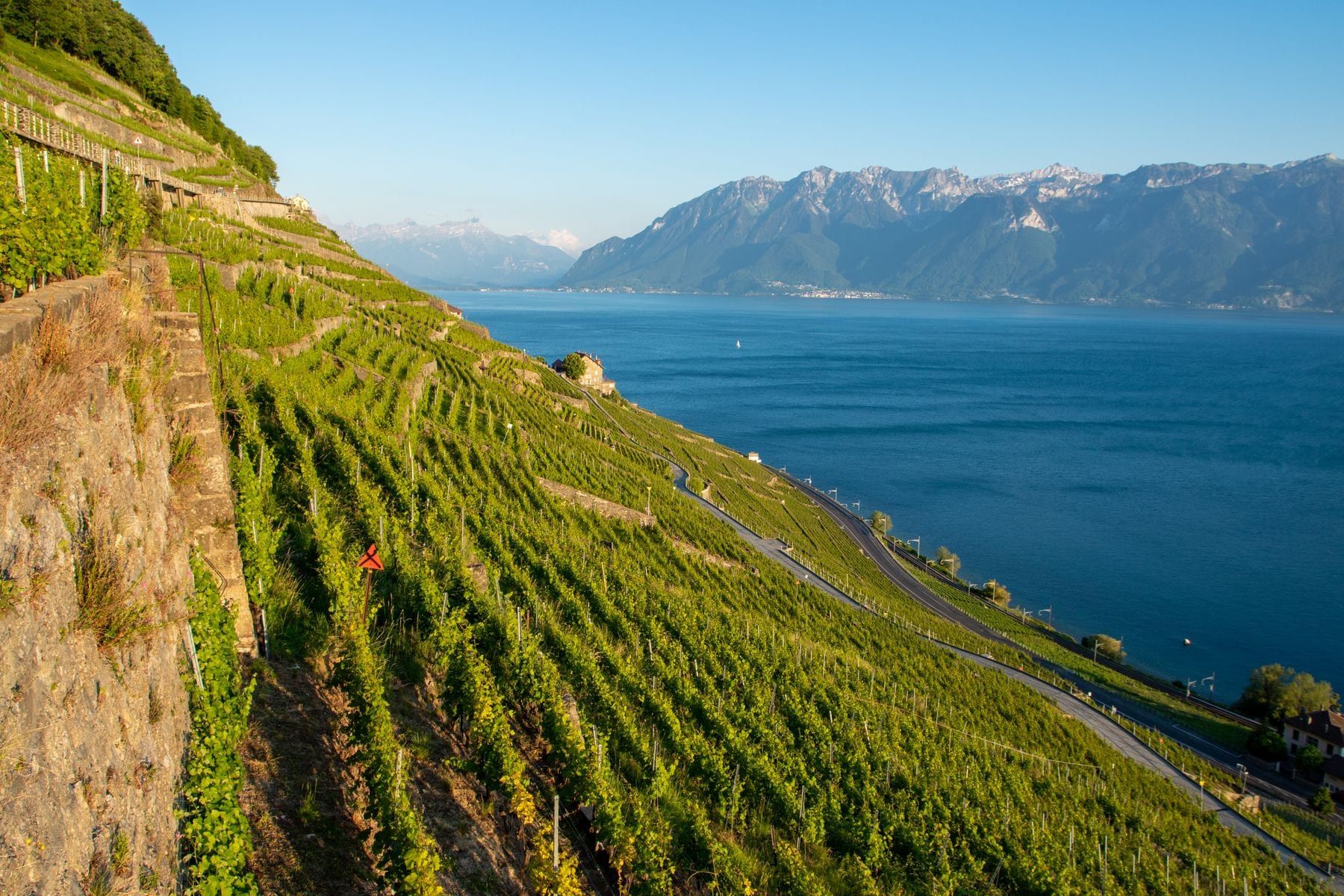
    On Lake Geneva the car is a sideshow again, but perfect for one day: drive from Montreux to Chillon for a morning at the castle, then take the narrow Corniche through the Lavaux via Chexbres, Rivaz and Epesses, stop at a caveau for a glass of Chasselas, not for the driver, and sleep in Vevey or Montreux, where the car park costs CHF 25 to 30 (about EUR 27 to 32). On day two leave it parked and take train and boat: to Lausanne, up from the lake to the cathedral on the M2 metro, the Olympic Museum or just the park in front of it, and in the afternoon the CGN paddle steamer back to Montreux, half price with a Half Fare Card, an hour and a half of panorama. If you want the vineyards on foot, get off in Lutry and walk an hour and a half to Cully, flat, with vineyard walls on both sides. In July the Montreux Jazz Festival doubles hotel prices and you book six months ahead. Mid-range otherwise CHF 180 to 220. On to Bern: A12 via Fribourg, 100 kilometres, 1 hour 15, half a day via Gruyères with a castle visit.

    Tours at this stop: Chillon Castle admission ↗Lavaux wine tour ↗Lake Geneva boat cruise ↗

    Open the Lausanne and Montreux travel guide →
  6. Day 12

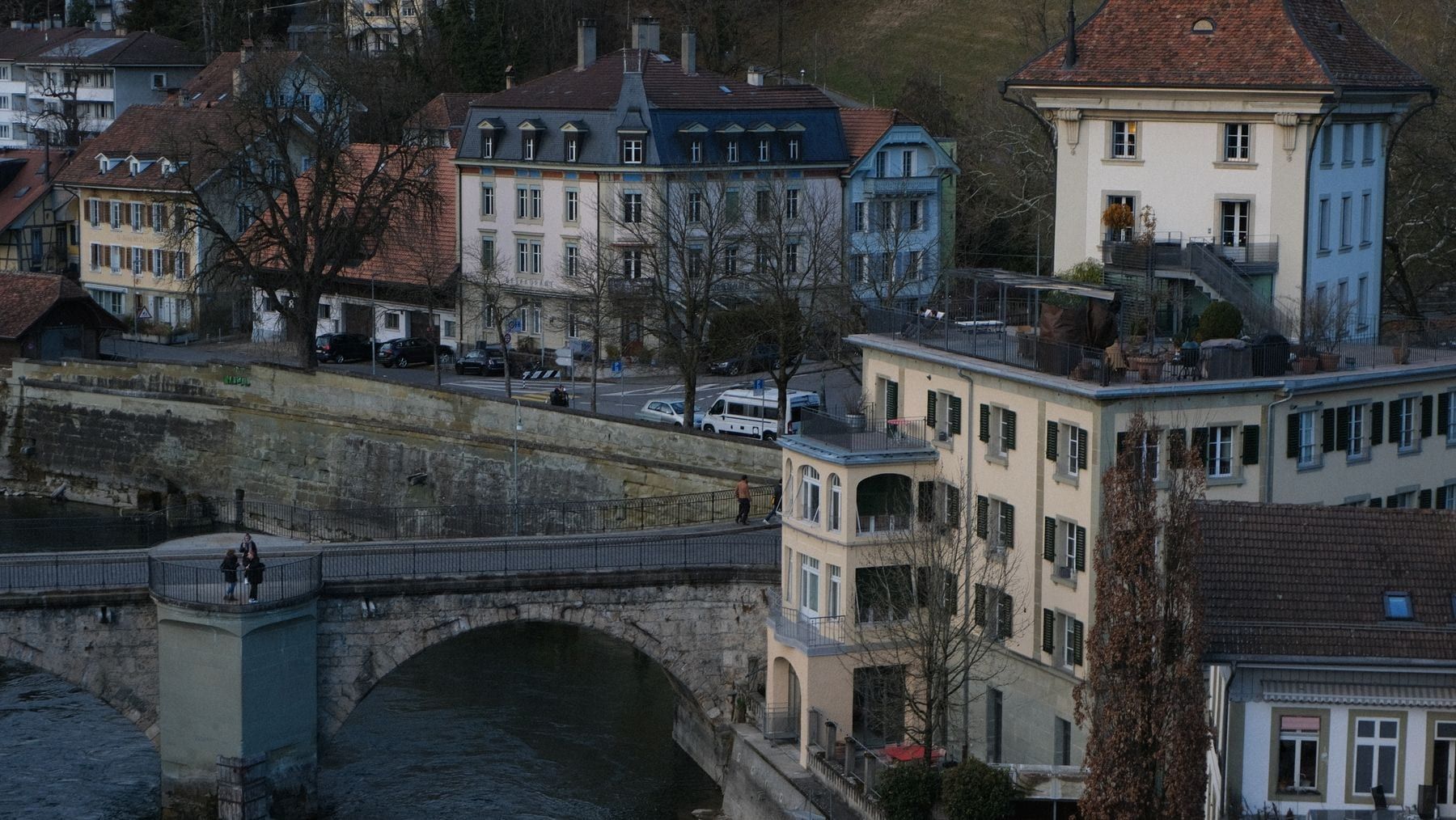
    Bern: A Day in the Old Town and a Swim in the Aare

    Bern is the only stop with a single night, and that is enough, because the UNESCO old town is compact and you are fastest on foot. Car into the Casino or Rathaus car park, CHF 30 to 40 (about EUR 32 to 43) for 24 hours, then six kilometres of arcades: the Zytglogge on the hour, the Minster and its tower, the Münsterplattform above the Aare, the Bear Park, the Rose Garden for the view back over the roofs. In summer the afternoon is for what the locals do: get into the Aare above the Bear Park and drift down to the Marzili, mind the exit poles, confident swimmers only and only when the water is above 18 degrees. In rain the Zentrum Paul Klee replaces the river. In the evening Berner Platte or the daily menu in a Beiz on Gerechtigkeitsgasse, followed by meringues with double cream. Sleep in a mid-range hotel in the lower old town, CHF 180 to 220; the Bern Ticket from your hotel makes tram and bus free. On to Basel: A1 and A2, 100 kilometres, 1 hour 10, an hour more via Solothurn and its old town on the Aare.

    Tours at this stop: Bern old town tour ↗Zentrum Paul Klee ↗

    Open the Bern travel guide →
  7. Day 13 to 14

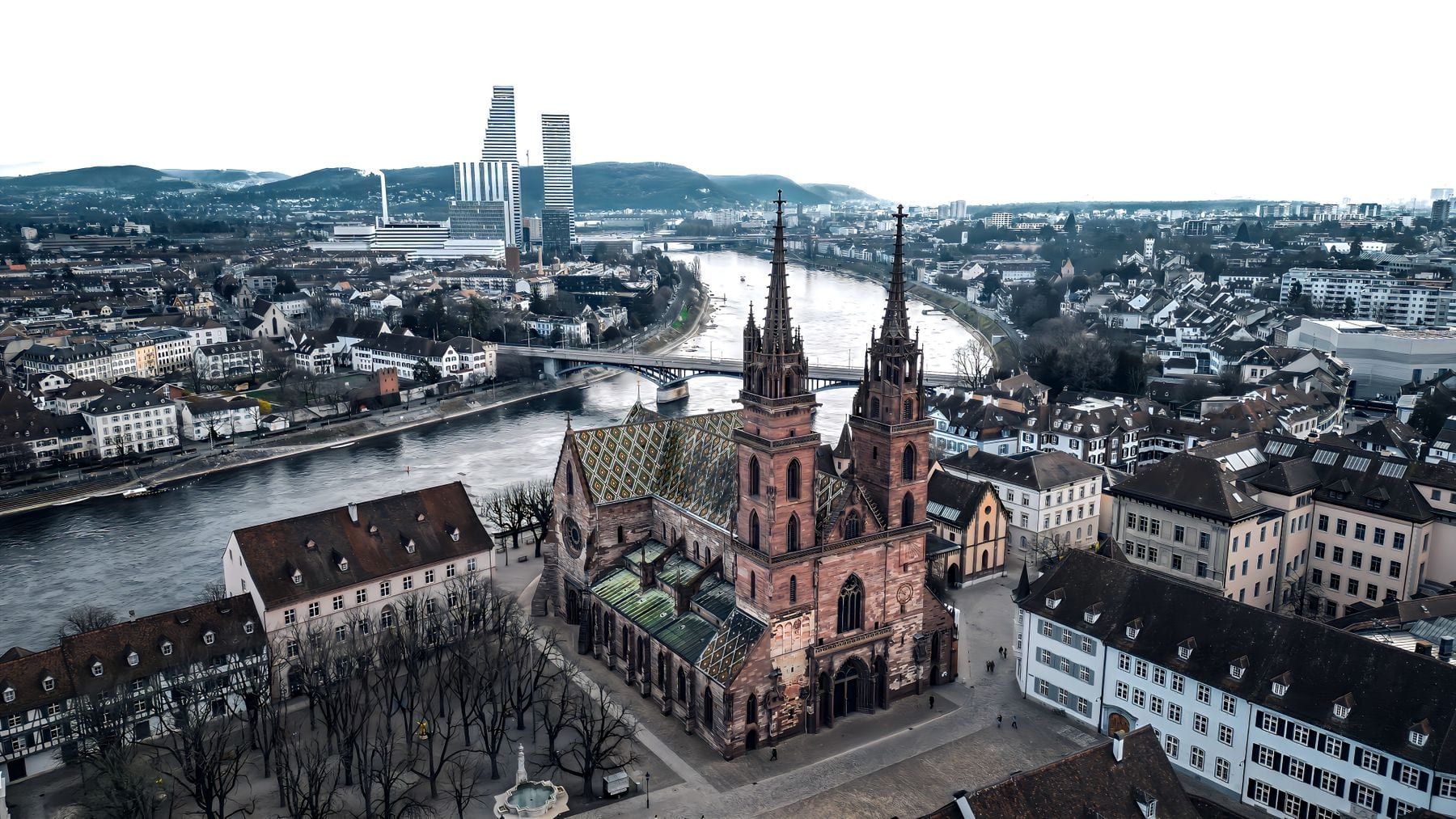
    Basel: Museums, Rhine Swimming and Handing Back the Car

    Basel ends the loop where Switzerland meets two other countries. Best hand the hire car back at the SBB station on the afternoon you arrive: you save a night of car park fees and are rid of the car before the BaselCard from your hotel gives you free trams and half-price museum entry. On the first evening the Minster, the Pfalz terrace above the Rhine, the ferry across to Kleinbasel, a beer on Rheingasse. Day two belongs to the Fondation Beyeler in Riehen, twenty minutes on tram 6, the best art museum in the country, and in summer the afternoon is for swimming the Rhine: buy a Wickelfisch dry bag, get in at the Museum Tinguely and drift to the Johanniterbrücke, 20 minutes, only at the water levels and temperatures the city approves. Sleep in Kleinbasel, mid-range CHF 160 to 200 (about EUR 171 to 214), but not in trade fair weeks like Art Basel in June, when the same rooms cost CHF 400. Getting home: from Basel SBB to Zurich in 53 minutes, to Bern in 55, or keep the hire car until here and drive yourself.

    Tours at this stop: Fondation Beyeler ↗Basel old town tour ↗

    Open the Basel travel guide →

If you book through these links we earn a small commission, at no extra cost to you.

What the route costs

Rough total per person for the whole route, mid-range, travelling as a pair. Flights and hotels vary by season; details are on the destination pages.

  • Getting there 64 EUR
  • Accommodation 1,391 EUR
  • Food 899 EUR
  • Local mobility 910 EUR
3,264 EUR
Total per person · 14 days

Money & payment: You pay in Swiss francs (CHF). Cards and the Twint app work practically everywhere, even on alpine pastures. Many shops accept euros but give change in francs at a poor rate. Service is included in prices; rounding up is customary.

Rental car for this route

A rental comparison link will follow once the partner programme is live. Until then, compare directly with the rental companies or at your arrival airport.

Tips for the route

The route works in reverse too, from Basel via Bern to Lake Geneva, then Zermatt, the Bernese Oberland, Lucerne and finally Zurich. That makes sense if you arrive from Germany or France and can hire a car cheaply in Basel. The official Grand Tour is signposted clockwise, so you drive against the brown signs, which does not matter.

Hire cars in Switzerland cost CHF 60 to 90 (about EUR 64 to 96) a day for a mid-range model in summer, so two weeks come to around CHF 900 to 1,200 plus fuel. One-way hire from Zurich to Basel costs little or nothing with most companies, since both are domestic. The CHF 40 motorway vignette is always included with Swiss hire cars; with a car from Germany or Austria you buy it online as an e-vignette.

The passes are the luxury of this route and its risk: Grimsel and Furka open at the end of May or only in mid-June depending on snow, and close in October. The Lötschberg car train from Kandersteg to Goppenstein runs all year, every 30 minutes, around CHF 30 (about EUR 32) per car, and is the more honest choice in fog or rain. Check the state of all passes with the TCS or the cantonal webcams.

A Half Fare Card at CHF 190 (about EUR 203) a year pays for itself on this one trip, because every mountain railway on the route accepts it: Pilatus, Jungfraujoch, Gornergrat, Harder Kulm, Rochers-de-Naye, plus the boats. If you live abroad, buy the Swiss Half Fare Card for one month, around CHF 120, or look at the Swiss Travel Pass, which only really adds up without a car.

In the cities you park at the hotel or in a car park and walk; on-street blue zones are limited to 90 minutes and the fine is CHF 40 (about EUR 43). Take speed limits seriously: 120 on motorways, 80 outside towns, 50 in towns, 30 in many neighbourhoods. Speed camera fines are high and reach you at home via the hire company. Petrol costs CHF 1.80 to 2.00 a litre.

Hotels are the biggest item, and two rules bring it down: in cities you stay cheaper at weekends, in the mountains midweek. June and September have the same scenery as July but prices 20 to 30 percent lower and the passes open. Book Zermatt and Interlaken three months ahead; six weeks is enough for the cities, except Montreux in jazz July and Basel during Art Basel.

Frequently asked questions about Grand Tour of Switzerland

How long do you need for the Grand Tour of Switzerland?

The complete official Grand Tour of 1,600 kilometres needs at least three weeks, and even then you are driving every day. This shortened version with 900 kilometres and seven bases is doable in 14 days without rushing. Ten days works if you cut Zurich and Basel to one night each and skip Bern.

When is the best time for the route?

Mid-June to the end of September, because then the Grimsel and Furka are open, the lakes are warm enough to swim in and the mountain railways run their summer timetables. June and September are cheaper and emptier than July and August. In winter the route is still feasible by car, then via Kandersteg and without the passes, but with winter tyres and snow chains in the boot.

Can you do the route without a car?

Yes, and better than you might think: all seven places are on the rail network, and a Swiss Travel Pass or a Half Fare Card with Supersaver tickets costs less than a hire car plus car parks. You lose the passes and Iseltwald at an early hour, but gain the Glacier Express, the GoldenPass and the boats, which are included in both passes.

What does the Grand Tour cost per person?

Budget around CHF 3,050 (about EUR 3,265) per person for two in mid-range comfort: travel from Zurich or Basel 60, 13 hotel nights 1,300, food 840, hire car with fuel, vignette, car parks and mountain railways 850. Switzerland is honestly expensive, but lunch menus, Coop picnics and the Half Fare Card bring the total down noticeably.

What is driving in Switzerland like?

Relaxed and strict at the same time: roads in top condition, clear signposting, but speed checks everywhere and high fines. On pass roads uphill traffic has priority over downhill, PostBuses always have right of way and sound their three-tone horn before blind bends. Go downhill in a low gear, not on the brakes. In Zermatt the drive ends in Täsch; that is not an option but the law.

Is there a shorter or longer version?

Shorter: Zurich, Lucerne, Interlaken, Zermatt and back to Zurich in eight days, without Lake Geneva, Bern and Basel. Longer: after Zermatt two days in Ticino via the Nufenen and back from Lugano over the San Bernardino to Chur, which brings you close to the official Grand Tour and needs 18 to 21 days.

More itineraries through Switzerland