Switzerland · Van trip · 10 days

Vanlife Alpine Passes

Seven passes, four language regions and not a single hotel: in a camper you drive from Lucerne over the great Alpine roads into Ticino and back into the Engadin, sleep on TCS sites and motorhome pitches and have breakfast with a glacier view.

The route, day by day

  1. Day 1 to 2

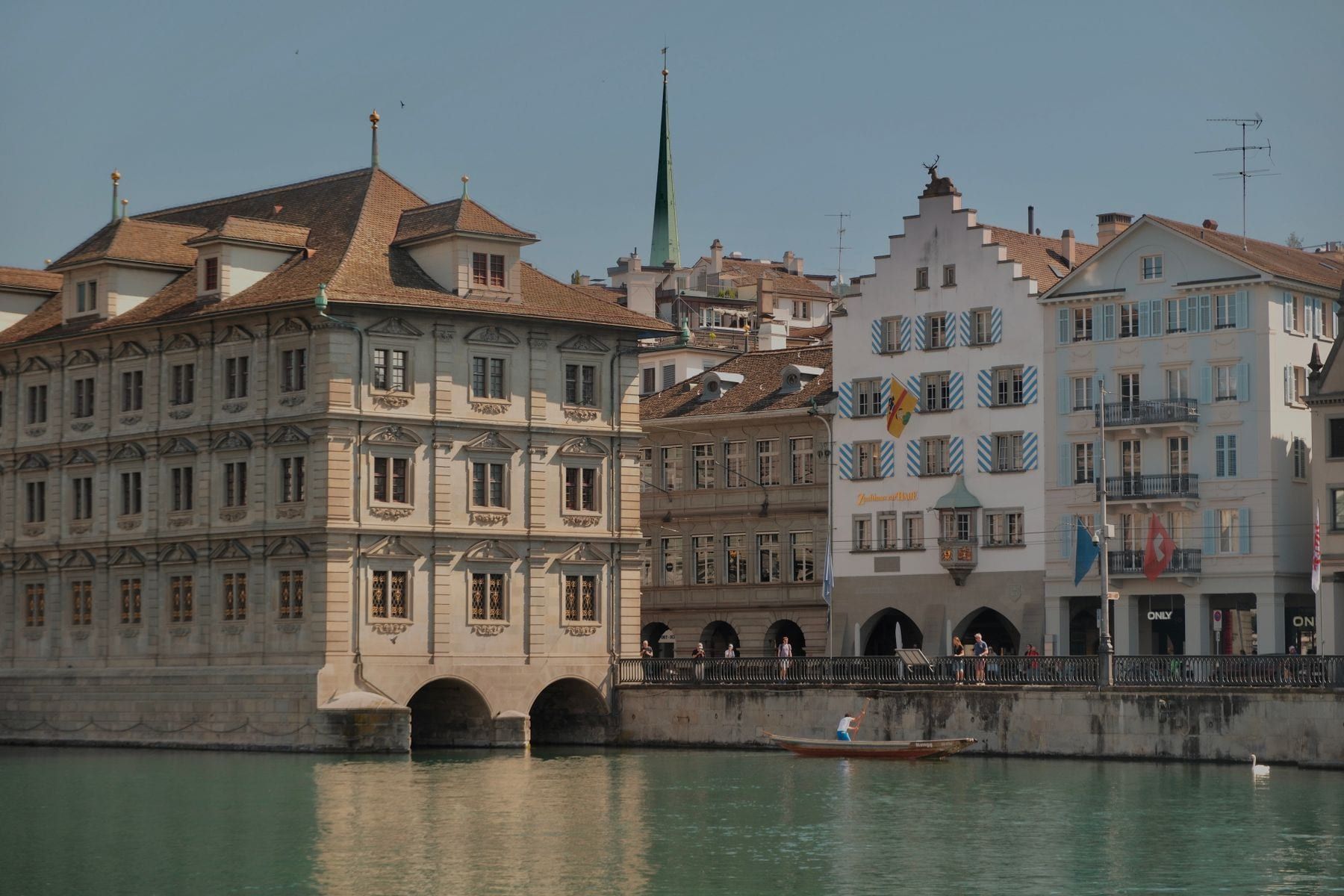
    Lucerne: Collecting the Camper and Getting the Feel of It

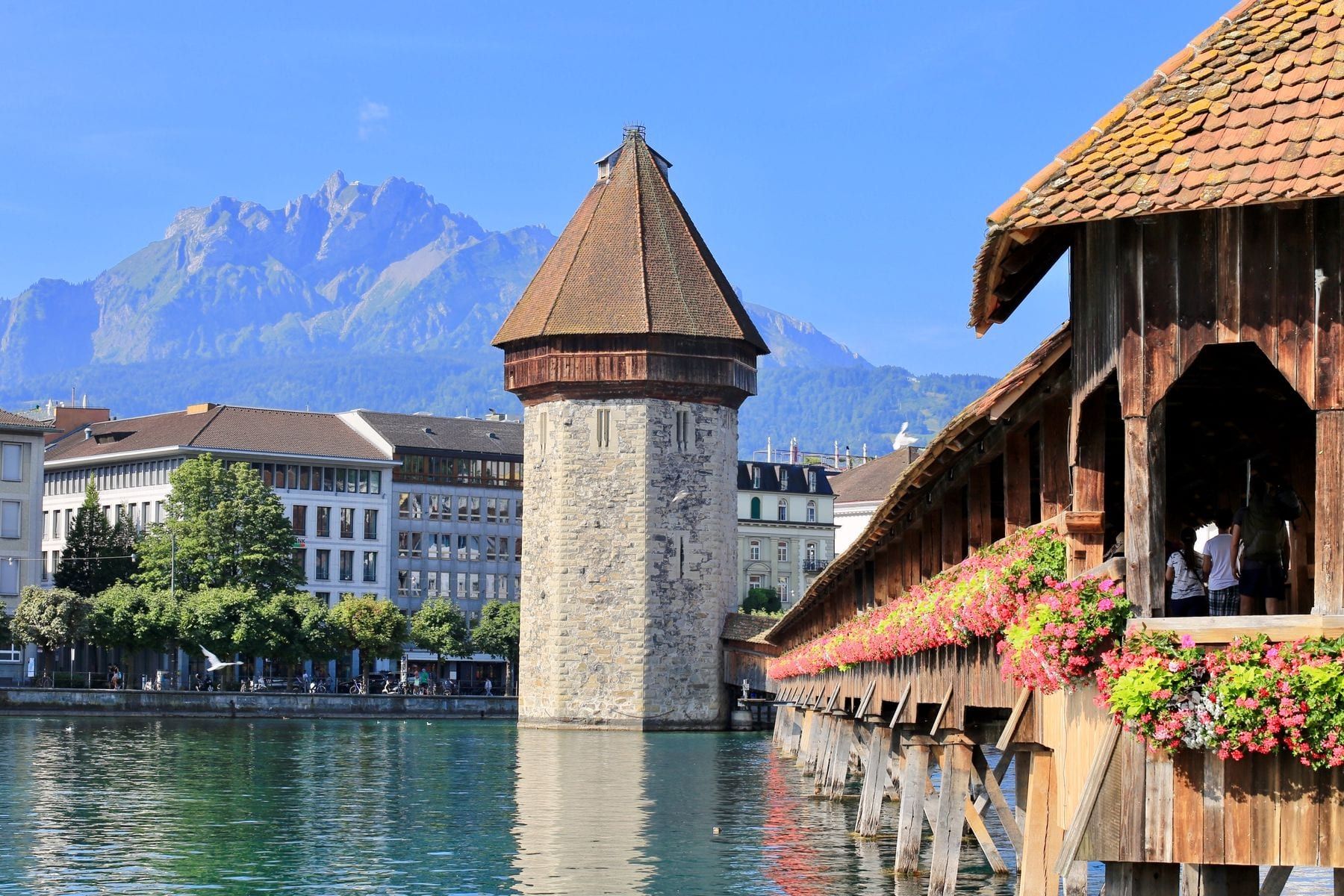
    You collect the camper in Zurich or directly in central Switzerland; most hire companies hand over in the morning, and the 55 kilometres on the A4 to Lucerne are your shakedown run for width and brakes. Camping Lido sits right on the lake next to the Transport Museum, a pitch with electricity around CHF 50 to 60 (about EUR 54 to 64) for two, and the bus from there reaches the old town in ten minutes. In the afternoon the Chapel Bridge, the Lion Monument and the Musegg Wall, in the evening a swim in the lake in front of the camper. Day two is a mountain day without the camper: boat to Vitznau and the cogwheel railway up the Rigi, around CHF 40 return with a Half Fare Card, then flat along the ridge to Rigi Scheidegg and back via Weggis. Or do a big shop on the first morning; Coop and Migros are closed on Sundays. On to Interlaken over the Susten: Lucerne, A2 to Wassen, Susten Pass at 2,224 metres with the Stein Glacier in view, Innertkirchen, Meiringen, Lake Brienz, 150 kilometres, three and a half to four hours with stops.

    Tours at this stop: Rigi round trip by boat and railway ↗Swiss Museum of Transport ↗

    Open the Lucerne travel guide →
  2. Day 3 to 4

    Interlaken: Between the Lakes before the Big Grimsel Day

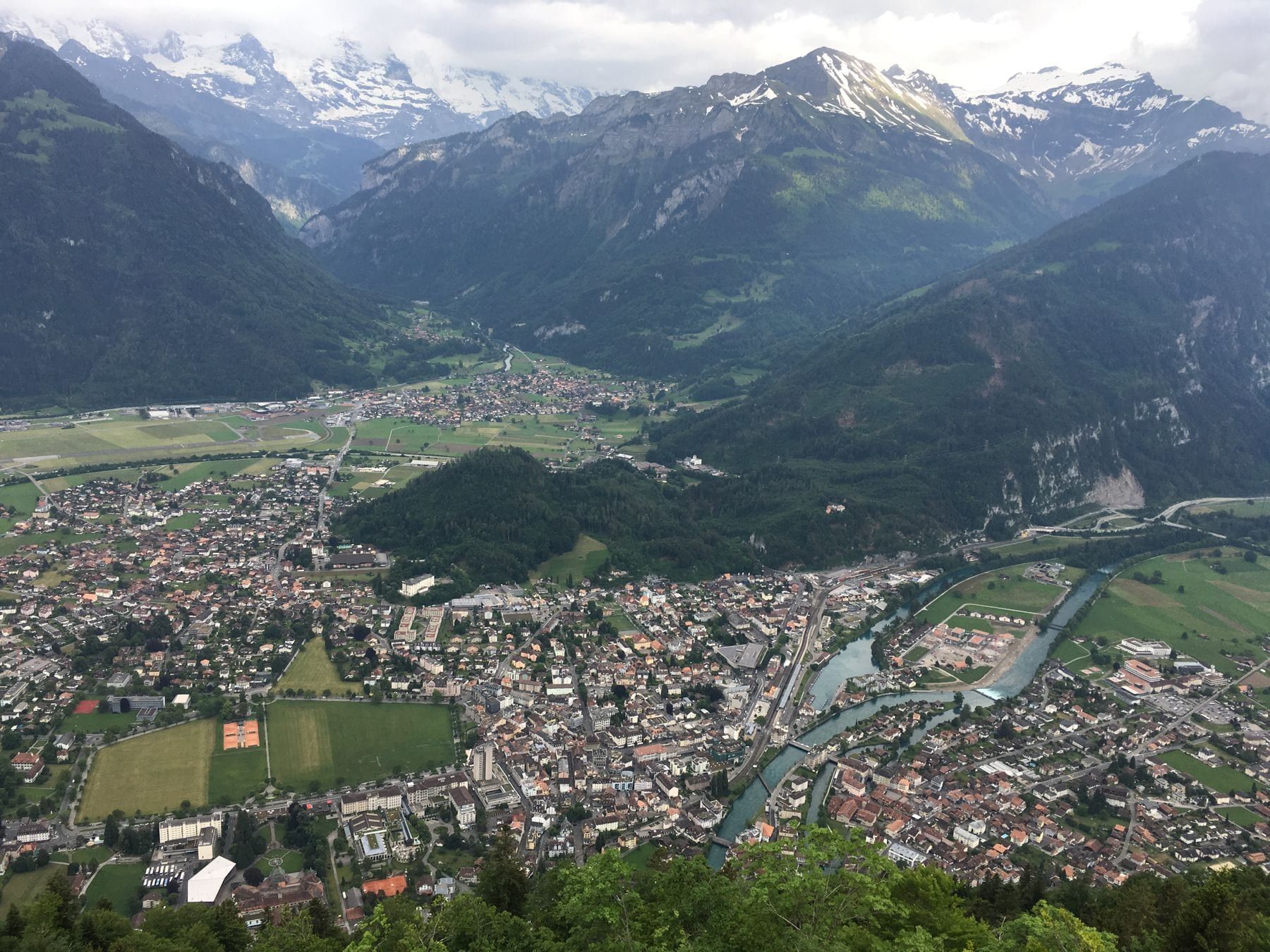
    The Susten is the gentlest of the seven passes, broad and well built, with lay-bys at every bend, and brings you to Lake Brienz in the afternoon. In Interlaken the campsites are at the eastern end near Bönigen and in Unterseen on the Aare, around CHF 50 to 65 (about EUR 54 to 70) a night for two with electricity, all with a view of the Jungfrau on clear days. Day two is your weather buffer: in sunshine the Schynige Platte with the cogwheel railway from Wilderswil and the panorama walk, under cloud the Ballenberg open-air museum near Brienz or simply the boat to Iseltwald and back. Leave the camper parked both days; Interlaken is better served by bus and train than by seven metres of vehicle. Cook at the site in the evening; the restaurants on the Höheweg are expensive and mediocre. On to the Aletsch Arena over the Grimsel: Meiringen, Innertkirchen, Grimsel Pass at 2,164 metres past the reservoirs, down to Gletsch, then out through the Goms to Fiesch, 105 kilometres, a good three hours. Detour from Gletsch up the Furka to the Rhone Glacier and back: 25 kilometres, an extra hour.

    Tours at this stop: Schynige Platte railway ↗Ballenberg open-air museum ↗

    Open the Interlaken and Jungfraujoch travel guide →
  3. Day 5 to 6

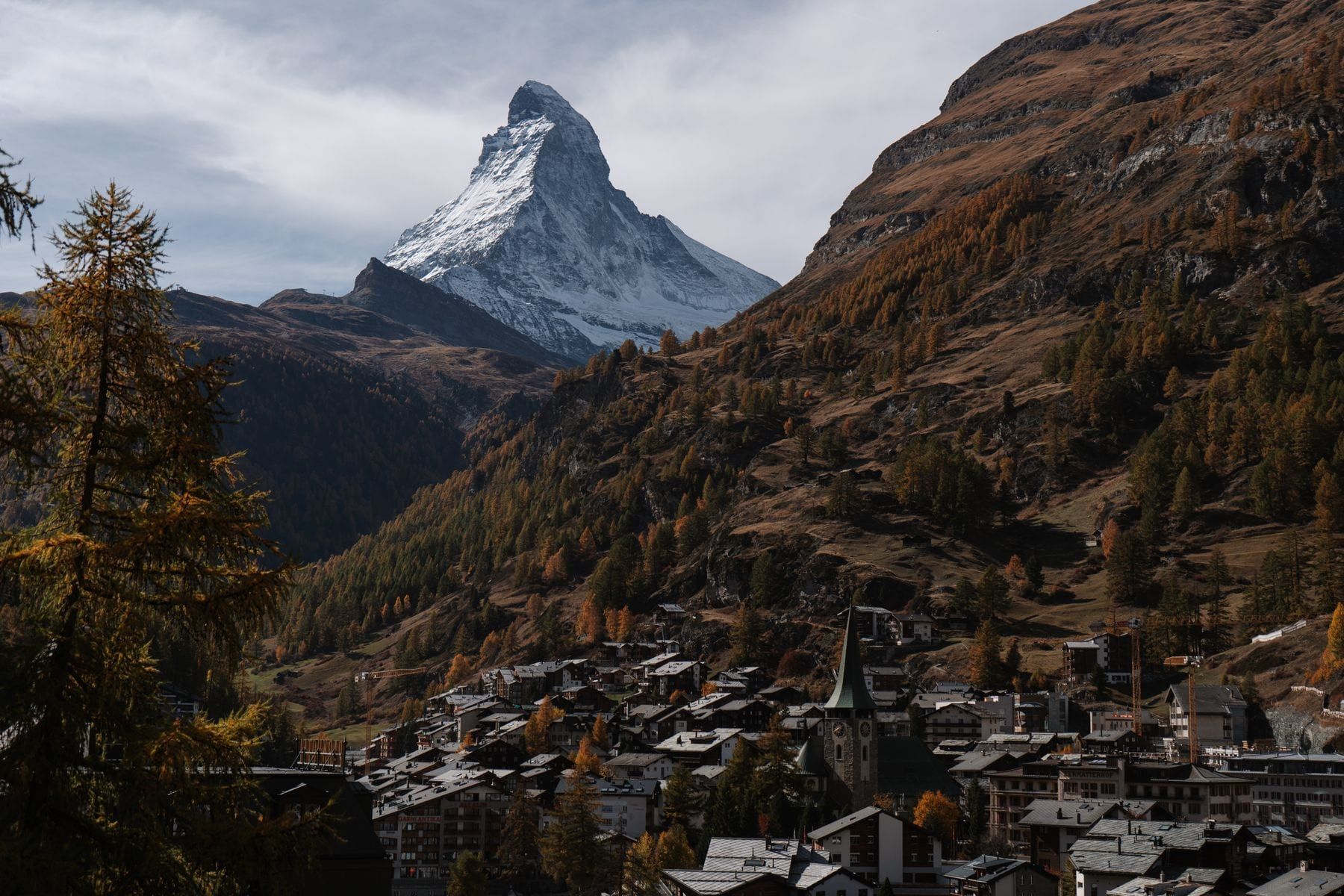
    Aletsch: Two Passes in the Morning, the Glacier in the Afternoon

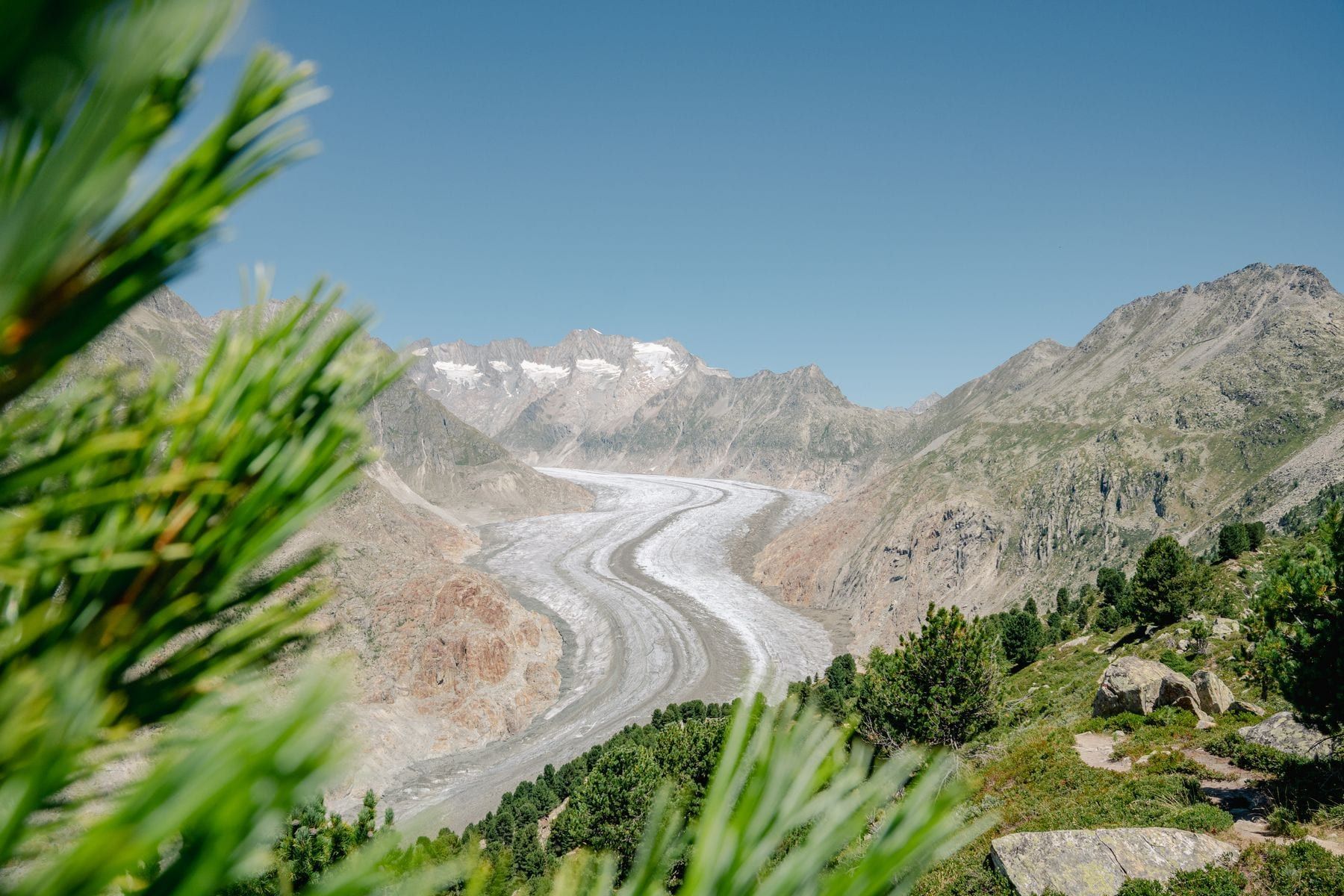
    The Grimsel is the most dramatic pass on this route, bare granite, turquoise reservoirs, the road snaking along the dam wall; at the Totesee on the summit there is room to stop. The Furka detour pays off for the Rhone Glacier and its ice grotto, which shrinks every year. In Fiesch you put the camper on the campsite at the sports resort on the edge of the village, around CHF 45 to 55 (about EUR 48 to 59) a night, and receive the guest card that makes PostBuses in the Goms free. Day two belongs to the glacier: gondola from Fiesch to Fiescheralp, on up to the Eggishorn, around CHF 30 return with a Half Fare Card, and from the top you see the whole 20 kilometre Aletsch Glacier up to the Jungfraujoch. Strong walkers hike from Fiescheralp to the Märjelensee and back, four hours, glacier views almost throughout. On to Lugano over the Nufenen and Gotthard: Fiesch, Ulrichen, Nufenen Pass at 2,478 metres, the highest entirely in Switzerland, down to Airolo, then the Tremola up to the Gotthard summit and back, 13 kilometres of cobbles in 24 hairpins, finally the A2 to Lugano, 150 kilometres, four hours.

    Tours at this stop: Eggishorn cable car ↗Aletsch glacier trekking ↗

    Open the Aletsch Arena travel guide →
  4. Day 7 to 8

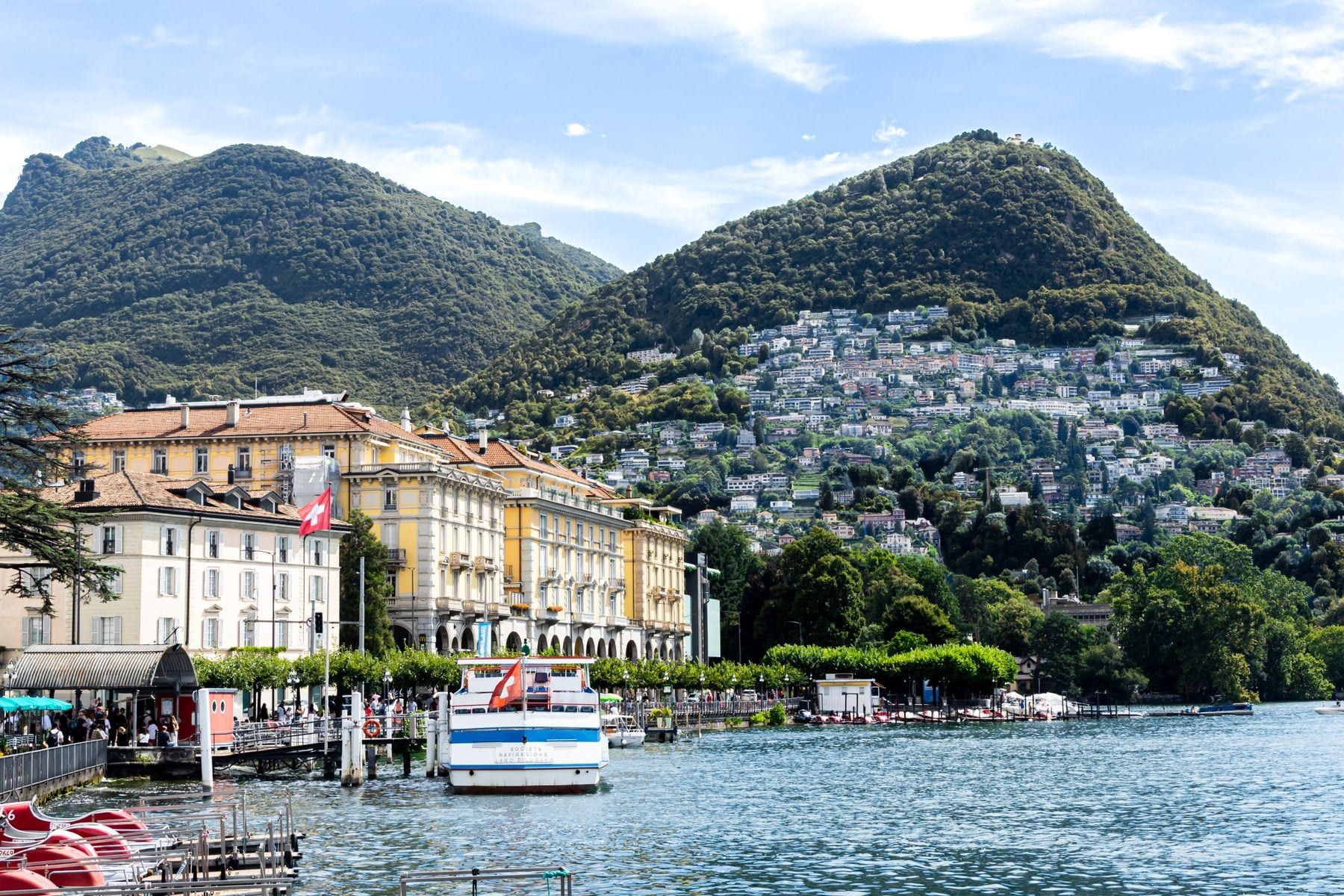
    Lugano: Palms, Grotto and the Camper at Lago di Muzzano

    The Tremola is the most beautiful detour on this route, a 19th-century cobbled road hairpinning up the south face of the Gotthard; in a camper over six metres you drive slowly but without trouble; oncoming traffic is rare because everyone takes the tunnel. At the top by the hospice the National Gotthard Museum, then back to Airolo and the A2 to Lugano in a good hour. TCS Camping Lugano-Muzzano lies on the small Lago di Muzzano west of the city, around CHF 55 to 70 (about EUR 59 to 75) a night for two, with a bus into the centre. The rest day begins on the quay with a cappuccino, then the boat to Morcote, the prettiest village on the lake, with the Parco Scherrer and the stairway to the church, back by PostBus. In the evening a grotto outside the centre, polenta, brasato, a boccalino of Merlot, CHF 35 to 45 in all. On to St. Moritz over the San Bernardino and Julier: Bellinzona, Mesolcina, the old pass road over the San Bernardino at 2,066 metres instead of the tunnel, Splügen, Thusis, Tiefencastel, Julier Pass at 2,284 metres, Silvaplana, 180 kilometres, four hours with stops.

    Tours at this stop: Boat trip to Morcote ↗Monte Brè funicular ↗Gotthard Museum and Tremola ↗

    Open the Lugano travel guide →
  5. Day 9 to 10

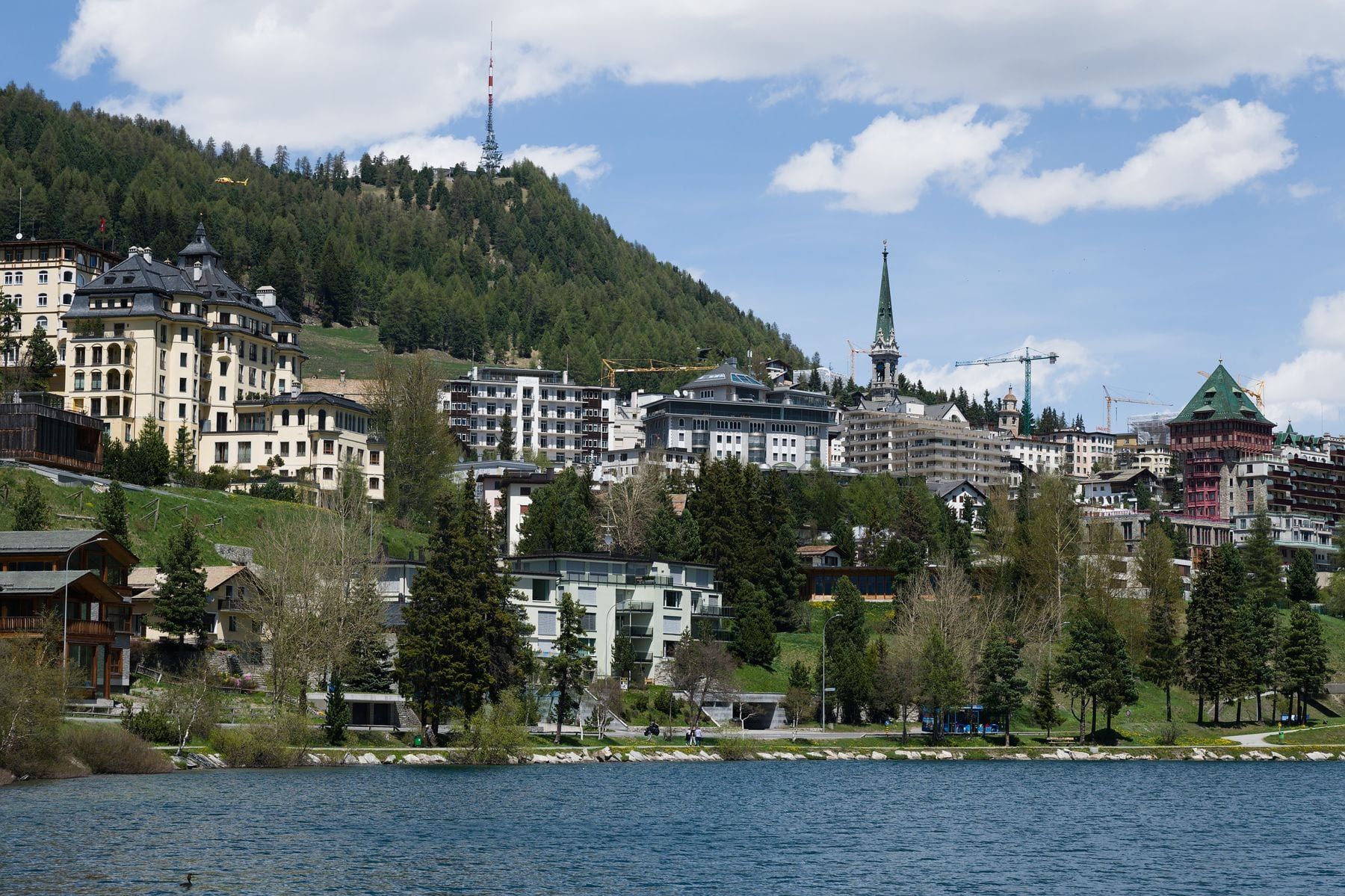
    St. Moritz: Julier, Lakes and the Drive Back to Zurich

    The San Bernardino is quiet because the traffic rolls through the tunnel beneath it; at the top a small lake and moorland, then down to Splügen, a Walser village with stone roofs that deserves a coffee stop. The Julier is the only pass on this route open all year, a broad ramp over the Roman summit with the red theatre tower. You reach Silvaplana in the early evening. TCS Camping St. Moritz lies by the Olympic ski jump between Champfèr and St. Moritz Bad, around CHF 50 to 65 (about EUR 54 to 70) a night for two; or Camping Morteratsch near Pontresina with a glacier view. The last full day belongs to the lakes: the lakes walk from Sils along Lake Silvaplana to St. Moritz, three to four flat hours, Engadin Bus back, or Diavolezza by cable car, around CHF 25 with a Half Fare Card. In the evening a picnic at the Stazersee; the camper fridge still has Bündnerfleisch. Getting home: St. Moritz over the Julier, Tiefencastel, Chur and the A13 and A3 to Zurich, 200 kilometres, three and a half hours; camper return is usually by 4 pm, tank full, toilet emptied.

    Tours at this stop: Diavolezza glacier view ↗Engadin lakes walk ↗

    Open the St. Moritz and the Engadin travel guide →

If you book through these links we earn a small commission, at no extra cost to you.

What the route costs

Rough total per person for the whole route, mid-range, travelling as a pair. Flights and hotels vary by season; details are on the destination pages.

  • Getting there 43 EUR
  • Accommodation 289 EUR
  • Food 482 EUR
  • Local mobility 1,124 EUR
1,937 EUR
Total per person · 10 days

Money & payment: You pay in Swiss francs (CHF). Cards and the Twint app work practically everywhere, even on alpine pastures. Many shops accept euros but give change in francs at a poor rate. Service is included in prices; rounding up is customary.

Rental car for this route

A rental comparison link will follow once the partner programme is live. Until then, compare directly with the rental companies or at your arrival airport.

Tips for the route

Depending on the winter the passes open between the end of May and mid-June and close in October, the Nufenen and Grimsel often first. Check the pass status with the TCS before every stage; even in July a cold snap can mean a day of closure. The Julier is the exception and open all year, as is the Gotthard tunnel, so you always have a fallback.

Camper hire in Switzerland costs CHF 150 to 200 (about EUR 161 to 214) a day in July and August for a vehicle with four berths, 20 to 30 percent less in June and September, plus final cleaning and a mileage package. Vehicles up to 3.5 tonnes use the normal CHF 40 vignette; above that you pay the flat-rate heavy vehicle charge, around CHF 3.25 a day, minimum CHF 25, at the border or online.

Wild camping in Switzerland is regulated by canton and banned in nature reserves, on pass summits and in most municipalities of Valais and Ticino, with fines from CHF 100 (about EUR 107). What works: official motorhome pitches, TCS sites, farms via Nomady, and on request the car parks of mountain hotels on the Grimsel and Gotthard. Budget CHF 40 to 70 a night and book July and August two weeks ahead.

Driving style on passes: uphill in second or third gear, downhill in the same gear as uphill, never constantly on the brakes, which smell burnt after twenty hairpins. PostBuses always have right of way on mountain roads, uphill traffic over downhill, and on single-track sections whoever is closer to the passing place waits. At seven metres long the Tremola remains manageable; the hairpins were built for the PostBus.

Shop before the passes: between Innertkirchen and Fiesch and between Airolo and Lugano there is nothing up high except hospices with soup for CHF 15 (about EUR 16). Coop and Migros close at 6.30 or 7 pm and stay shut on Sundays; petrol station shops are open and expensive. Diesel costs CHF 1.90 to 2.10, and a camper uses 12 to 15 litres on the passes.

September is the best month: passes open, pitches half empty, clear air, larches in the Engadin turning yellow from the end of the month. At night, though, it drops to three to five degrees at 1,800 metres, so test the camper heating and bring sleeping bags instead of blankets. In July and August every TCS site is full and the passes are racetracks for motorbikes at weekends, so drive them midweek before nine.

Frequently asked questions about Vanlife Alpine Passes

How long do you need for the passes route?

Ten days with five bases and a driving day of three to four hours between each is relaxed. Seven days works if you cut Lucerne and Interlaken to one night each and drop the Furka detour. With twelve days you add Andermatt and drive the Oberalp and Furka from there as a day loop without luggage.

When are the passes open?

The Susten, Grimsel, Furka, Nufenen, Gotthard pass road and San Bernardino open between the end of May and mid-June depending on snow and close between mid-October and early November. The Julier is open all year. July to September is the safe season, with September bringing the best weather and the fewest campers.

Can you do the route by car or by train?

By car with hotels yes; it becomes more expensive but faster on the passes. By train you see the same landscape on the Glacier Express over the Furka and Oberalp, and by PostBus over the Grimsel, Susten, Nufenen and Gotthard, all of which run scheduled summer services over the summits, half price with a Half Fare Card. What you lose is stopping wherever you like.

What does the camper route cost per person?

Budget around CHF 1,810 (about EUR 1,940) per person for two: travel to Zurich 40, nine nights on campsites and pitches 270, food with plenty of home cooking 450, camper hire, diesel, vignette and mountain railways 1,050. The camper is the big item; with four people in the same vehicle the share per head halves.

Is driving a camper over the passes difficult?

Not if you bring time. All seven passes are tarmac or cobbled, two lanes or with passing places, and are driven by PostBuses that are wider than any hire camper. What counts: low gear downhill, let PostBuses through, take the tunnel in fog or rain, and no time pressure. Vehicles over 3.5 tonnes need a C1 licence.

Is there a shorter or longer version?

Shorter: Lucerne, Susten, Interlaken, Grimsel, Goms, Furka, Andermatt and back through the Gotthard tunnel in five days, the classic three-pass loop. Longer: from the Engadin over the Ofen Pass into the Val Müstair and over the Umbrail or the Stelvio into Italy, or instead of heading straight to Zurich go back over the Flüela, Davos and the Prättigau, making it 13 to 14 days.

More itineraries through Switzerland