Japan · Rail trip · 12 days

Japanese Alps

Black castle, wooden town, thatched roofs and the samurai city by the sea: the round trip for anyone who wants to see Japan between the big cities, with no hire car at all.

The route, day by day

  1. Day 1 to 3

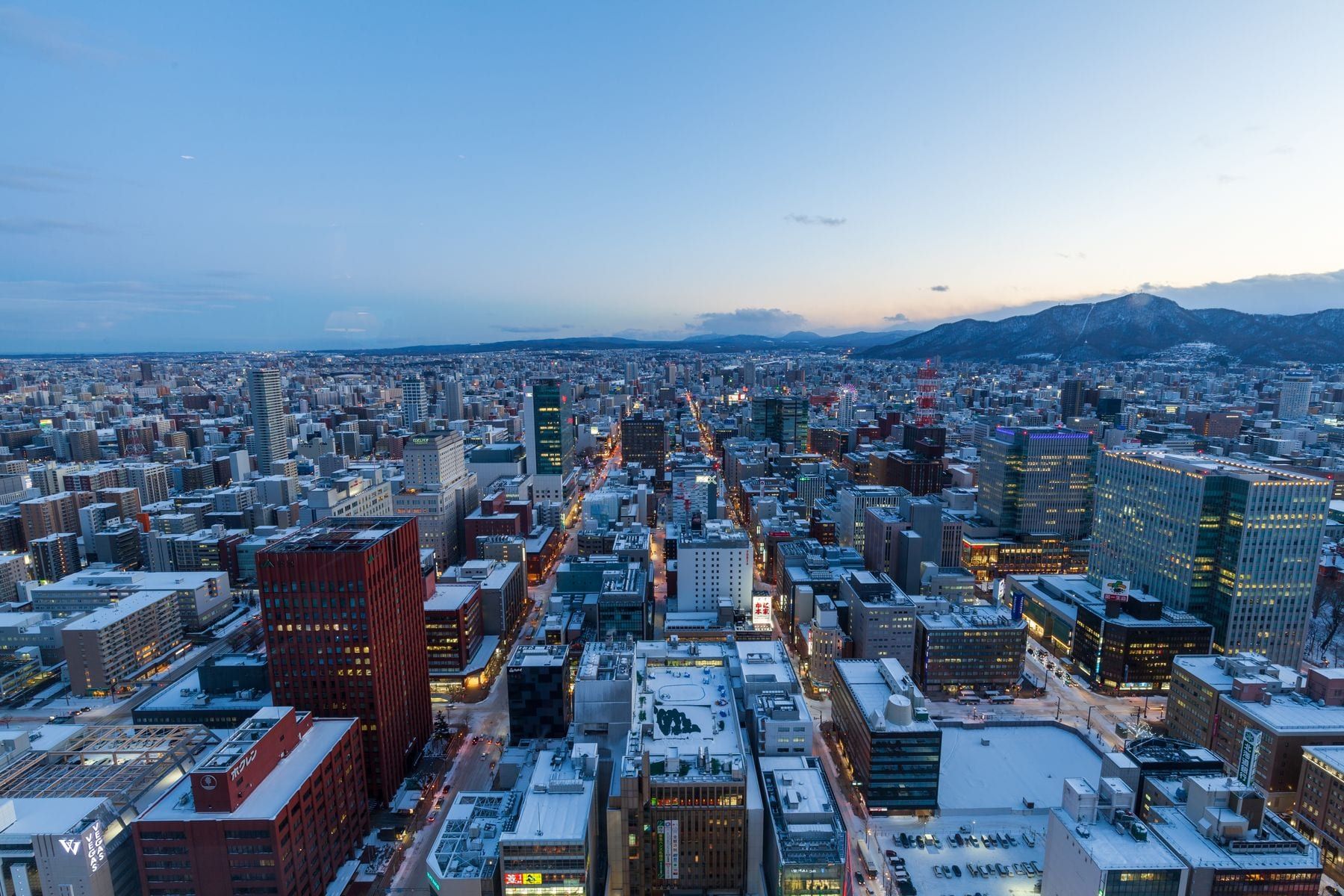
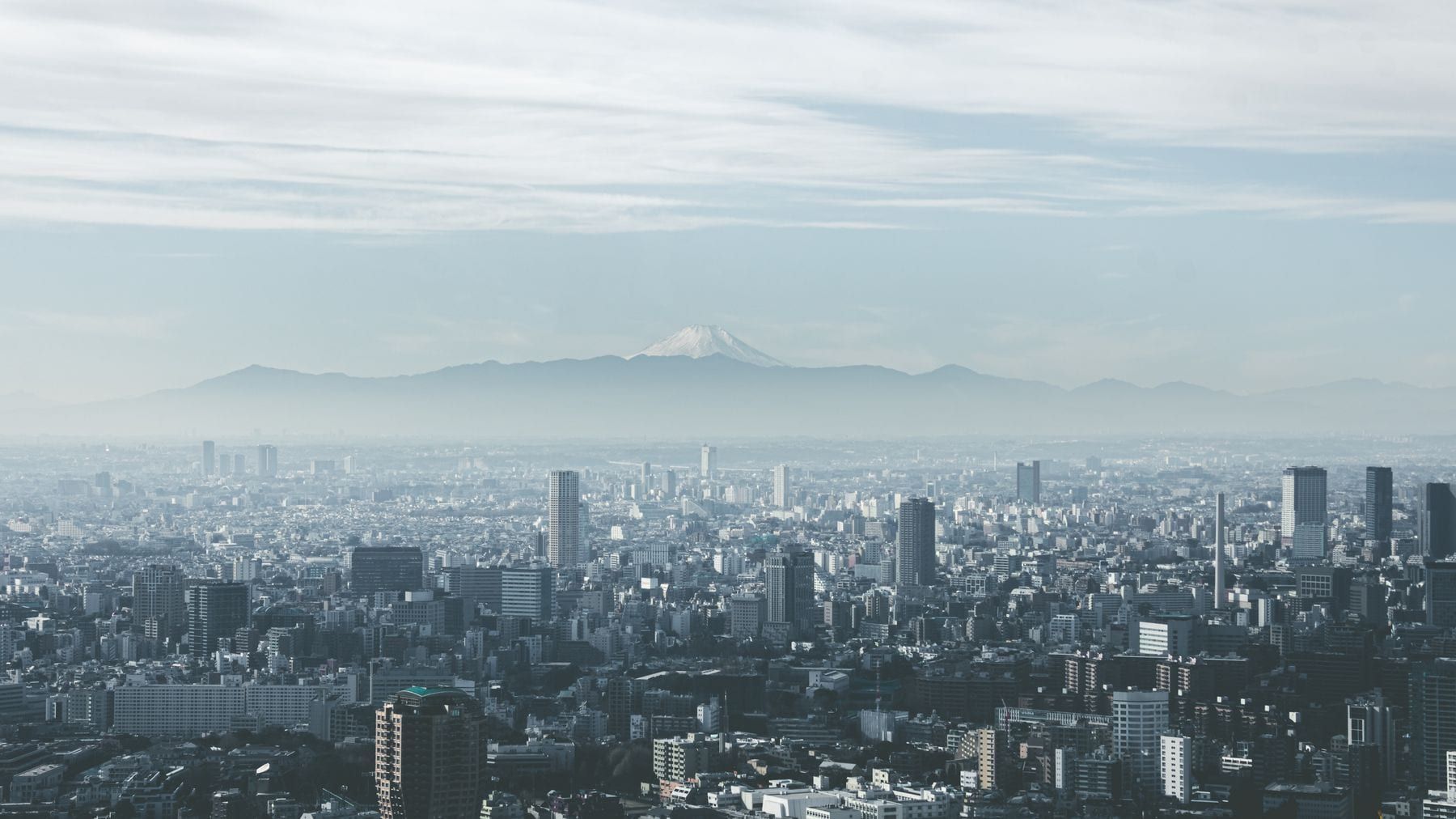
    Tokyo: three days of city, then into the mountains

    Three nights in Tokyo are enough, because the city does not come round again at the end of the trip, so you take it in full now. Stay in Shinjuku, since the train into the Alps leaves from there on day 4, business hotel CHF 100 to 130 (about EUR 107 to 139) for two. Day 1: arrive, Suica onto your phone, in the evening through Omoide Yokocho, the yakitori alley by the station. Day 2: Senso-ji before 8 am, Ueno Park and the National Museum, Akihabara in the afternoon, in the evening the view from the free observation deck of the Metropolitan Government Building. Day 3: Meiji Shrine, Harajuku, Shibuya, finishing with an izakaya in Golden Gai. If you do not yet know a temple town, swap day 3 for a trip to Kamakura. On to Matsumoto: Limited Express Azusa from Shinjuku, 2 hours 30 minutes, around CHF 40 with a seat, every half hour to hour. Sit on the right in the direction of travel; from the Kofu basin you see the Southern Alps.

    Tours at this stop: Izakaya tour through Shinjuku ↗Day trip to Kamakura ↗

    Open the Tokyo travel guide →
  2. Day 4 to 5

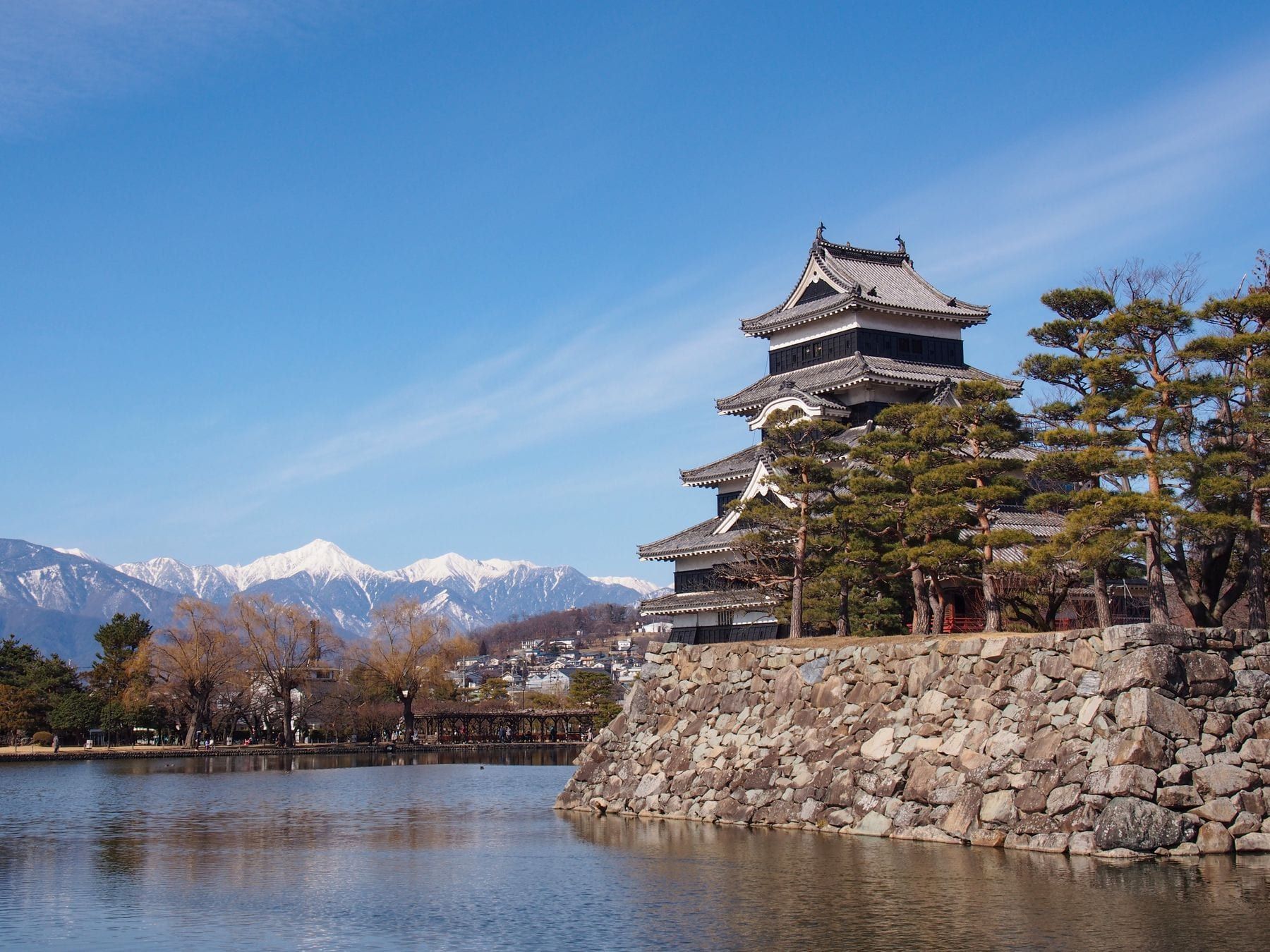
    Matsumoto: black castle and Kamikochi

    Matsumoto is the best base for the Japanese Alps and still usually gets ticked off in two hours. You stay two nights in a business hotel between the station and the castle, CHF 65 to 100 (about EUR 70 to 107) for two, often with an onsen bath on the roof. Day 4: after arriving at midday, to the castle (CHF 5), one of the few original castles in Japan, with steep wooden stairs right up under the roof, then through Nakamachi with its white storehouses, soba and basashi in the evening. Day 5: Kamikochi, the high valley at 1,500 metres, reached by train and bus in 90 minutes (CHF 32 return), open from mid April to mid November, car free. The walk from Taisho Pond to Kappa Bridge and on to Myojin takes three hours and is flat. On to Takayama: Alpico or Nohi bus over the pass at Hirayu Onsen, 2 hours 30 minutes, around CHF 22, four to six departures a day, reserve online.

    Tours at this stop: Hike in Kamikochi ↗Matsumoto Castle guided tour ↗

    Open the Matsumoto travel guide →
  3. Day 6 to 7

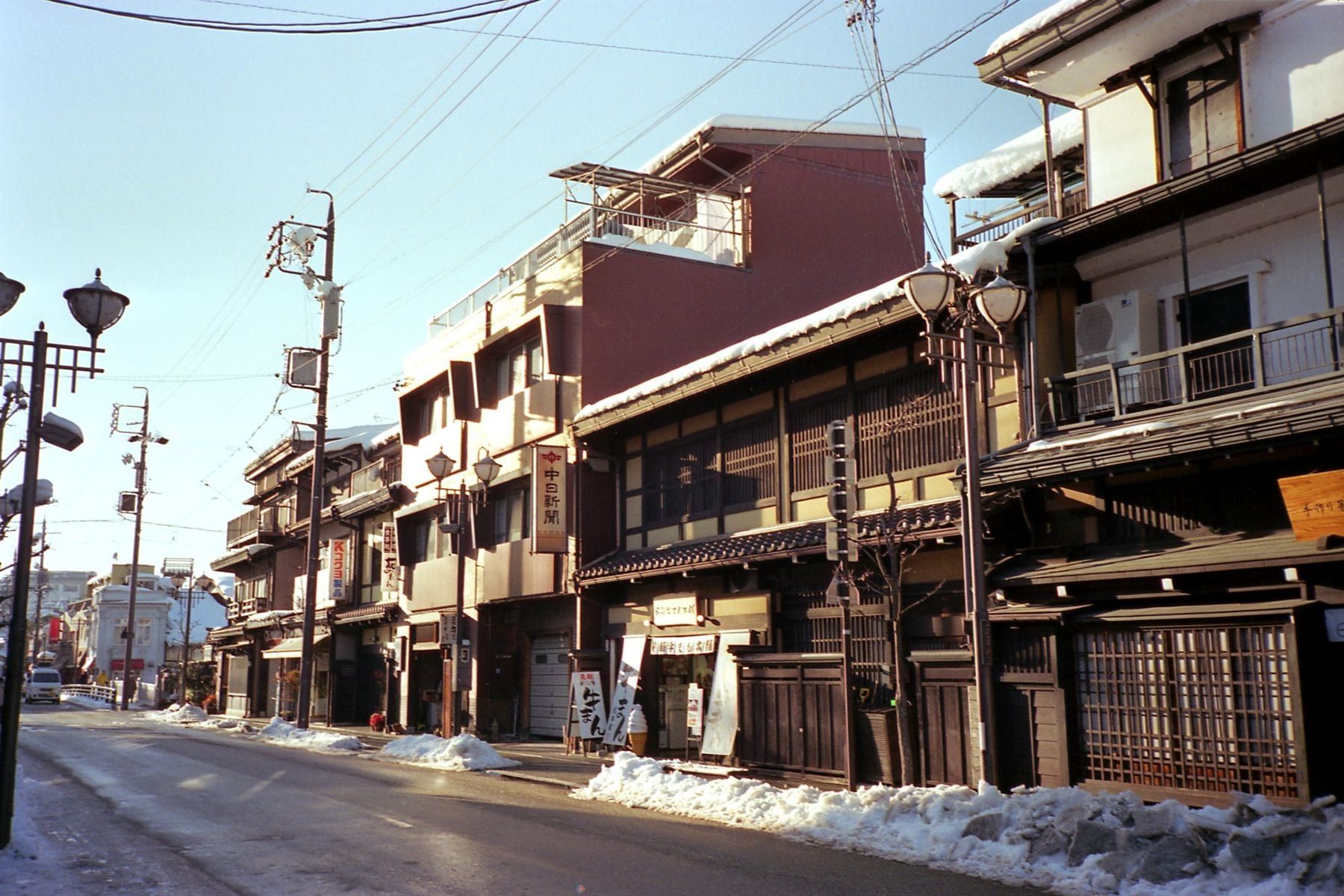
    Takayama: morning markets and Hida beef

    Two nights in Takayama, at least one of them in a ryokan, because here the ryokan night is cheaper than in Kyoto and the hosts speak English. Stay east of the Miyagawa river, near the old town of Sanmachi, CHF 200 to 300 (about EUR 215 to 320) for two with dinner and breakfast. Day 6: arrival at midday, Takayama Jinya, the old administrative building, in the afternoon (CHF 3), Hida beef in the evening, from CHF 50 as a steak, CHF 4 to 8 as a skewer at the stalls. Day 7: to the Miyagawa morning market at 7 am before the groups arrive, then the old town of Sanmachi, which is yours until 9 am, and in the afternoon the open air museum Hida no Sato with farmhouses from the region (CHF 4.50). Send your big luggage to Kanazawa by Takkyubin; for Shirakawa-go you only need a daypack. On to Shirakawa-go: Nohi bus from the terminal at the station, 50 minutes, CHF 16, roughly hourly, reserve a seat.

    Tours at this stop: Takayama old town and sake breweries ↗Hida beef cooking class ↗

    Open the Takayama travel guide →
  4. Day 8

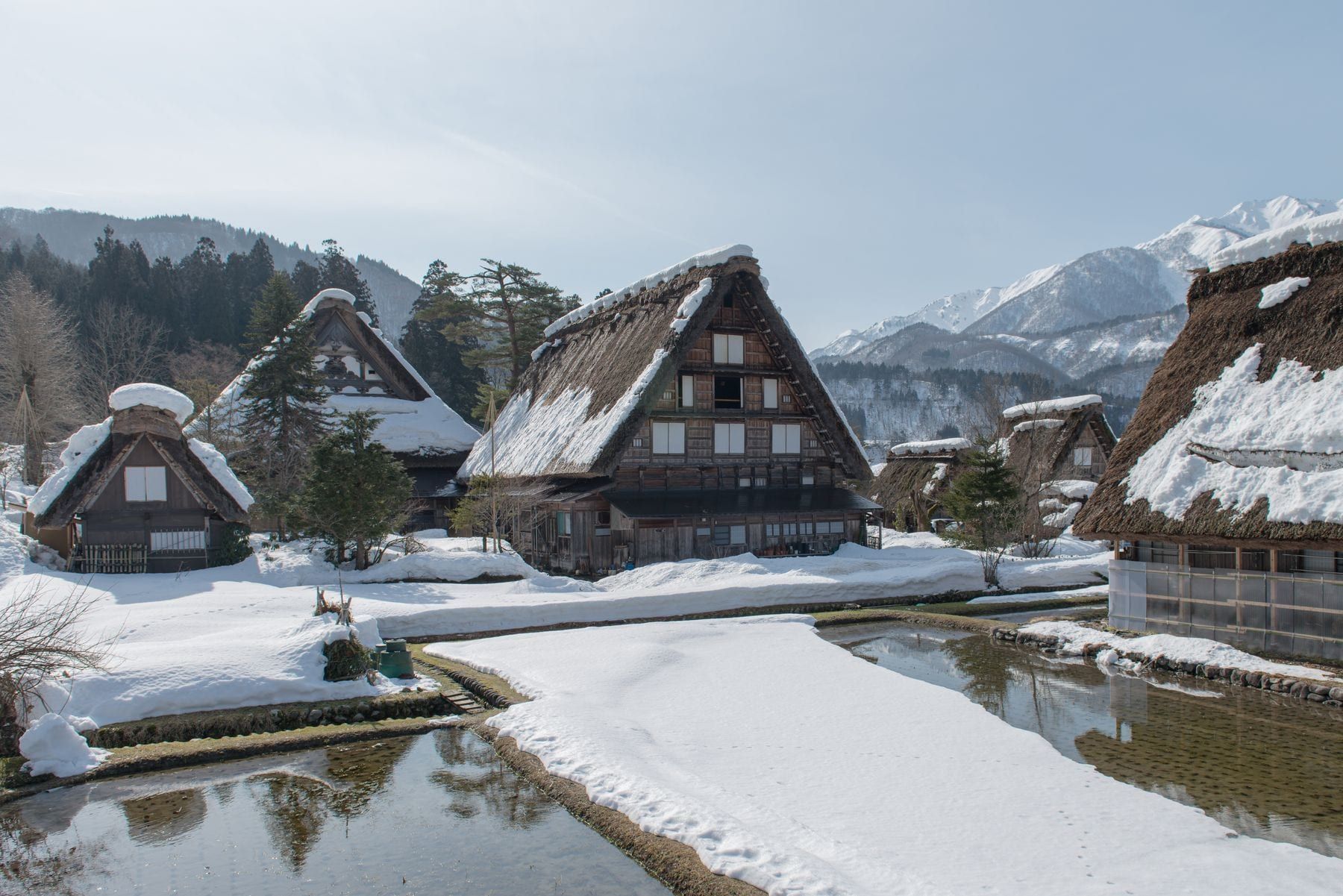
    Shirakawa-go: a night in a gassho house

    Between 10 am and 3 pm Shirakawa-go is an open air museum with a car park; at 7 in the morning it is a mountain village with mist over the rice fields. The difference is staying overnight in a minshuku, one of the roughly 20 gassho houses that rent rooms: futon in a tatami room, shared bathroom, dinner at the irori hearth with river fish and hoba miso, CHF 80 to 110 (about EUR 86 to 118) per person with half board. Book months ahead; there are perhaps 100 beds. In the afternoon walk up to the Shiroyama viewpoint (20 minutes on foot or by shuttle bus), look round the Wada House (CHF 2.50) and cross the suspension bridge to the open air museum. After 5 pm the buses are gone and all you hear is the river. Walk through the village once more before breakfast; that is when it is most beautiful. On to Kanazawa: Nohi or Hokutetsu bus from the Ogimachi terminal, 75 to 85 minutes, CHF 14, reservation compulsory.

    Tours at this stop: Shirakawa-go village tour ↗

    Open the Shirakawa-go travel guide →
  5. Day 9 to 10

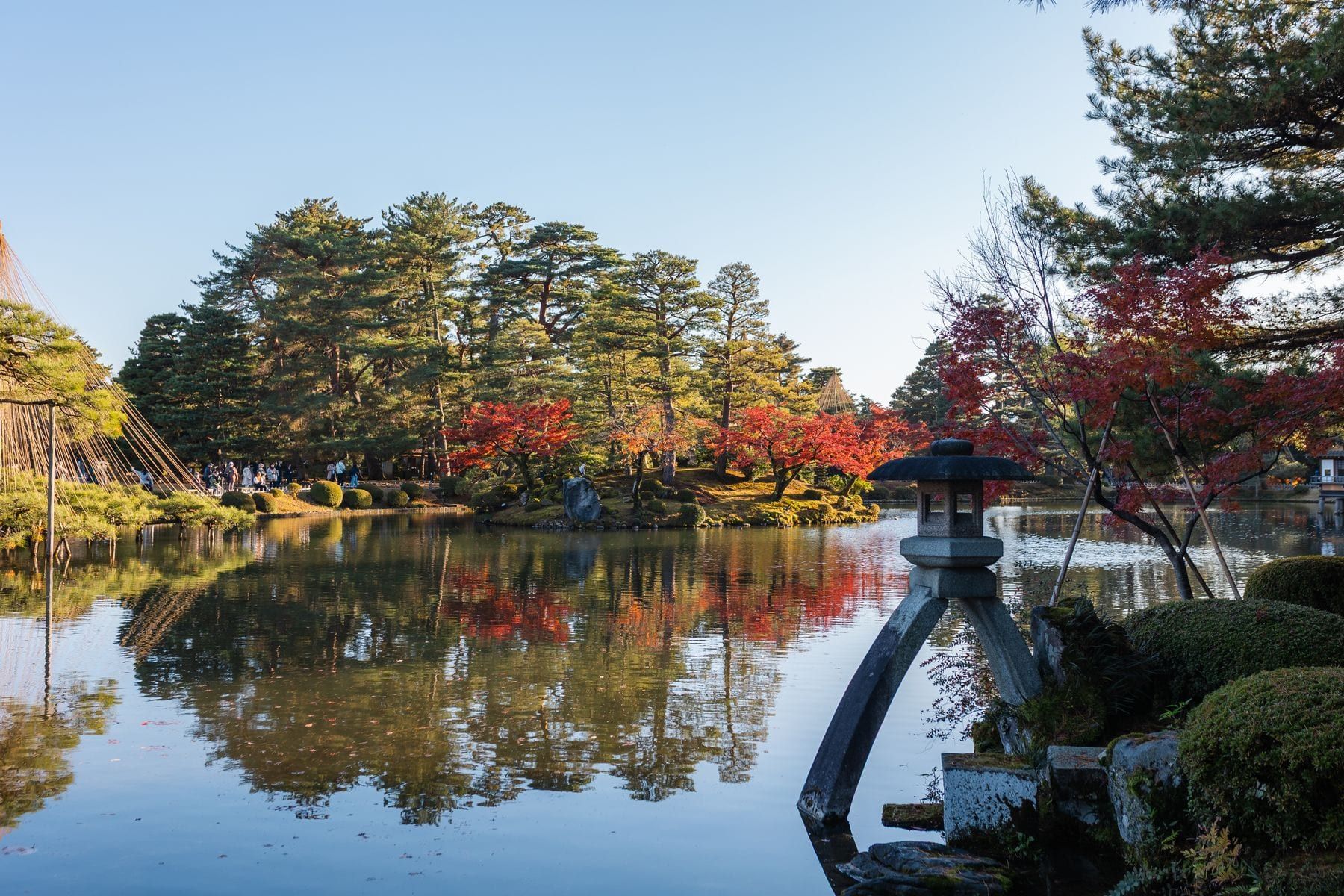
    Kanazawa: Kenroku-en at 7 am and fish at Omicho

    Kanazawa is sold as a little Kyoto and has a fifth of the visitors and better food. Two nights in Korinbo or Katamachi, the centre between garden, samurai district and market, mid range CHF 100 to 140 (about EUR 107 to 150) for two. Day 9: arrival in the morning, kaisendon at Omicho Market for lunch (CHF 15 to 25), the Higashi Chaya teahouse district in the afternoon with a visit to the Shima teahouse (CHF 3), an izakaya in Katamachi in the evening. Day 10: Kenroku-en at the early opening from 7 am, when the garden is empty and free, then the castle, the 21st Century Museum of Contemporary Art with Leandro Erlich's swimming pool (CHF 3 to 8) and the Nagamachi samurai district. Try the gold leaf soft serve once for the photo. On to Kyoto: Hokuriku Shinkansen Tsurugi to Tsuruga (50 minutes), there onto the Thunderbird to Kyoto from the same platform (55 minutes), around 2 hours 15 minutes in all for CHF 45.

    Tours at this stop: Kanazawa walking tour with Kenroku-en ↗Gold leaf workshop ↗

    Open the Kanazawa travel guide →
  6. Day 11 to 12

    Kyoto: two days for the essentials

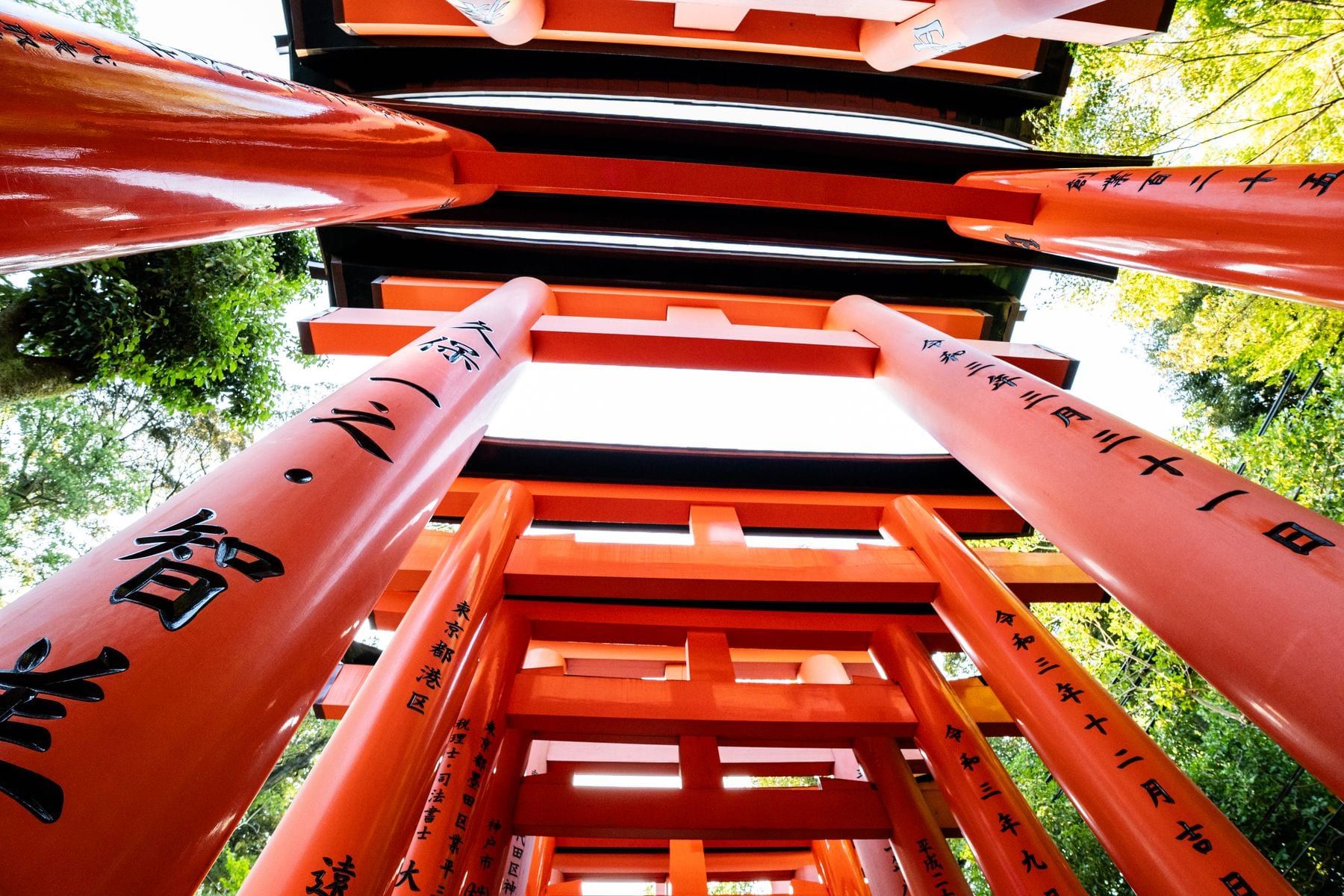
    Two days is tight for Kyoto, so you focus and get up early. Stay centrally between Karasuma and Kawaramachi, business hotel or small machiya, CHF 120 to 180 (about EUR 128 to 193) for two, and rent a bicycle. Day 11: arrival at midday, Nishiki Market and Gion in the afternoon, Kiyomizu-dera after 4 pm when the groups have gone, Pontocho by the river in the evening. Day 12: Fushimi Inari at 6.30 am through the first thousand gates, then depending on your flight time Arashiyama with the bamboo grove or Kinkaku-ji, and on to the airport. If you want to treat yourself to one kaiseki on this trip, do it here at lunch for CHF 40 to 60. Journey home: the JR Haruka runs from Kyoto direct to Kansai Airport in 80 minutes (CHF 20, cheaper with an online ticket); flights from Kansai usually involve one change. The route is designed as an open jaw: into Tokyo, home from Osaka, which costs barely more than a return.

    Tours at this stop: Fushimi Inari morning tour ↗Gion evening walking tour ↗

    Open the Kyoto travel guide →

If you book through these links we earn a small commission, at no extra cost to you.

What the route costs

Rough total per person for the whole route, mid-range, travelling as a pair. Flights and hotels vary by season; details are on the destination pages.

  • Getting there 1,070 EUR
  • Accommodation 728 EUR
  • Food 556 EUR
  • Local mobility 278 EUR
2,632 EUR
Total per person · 12 days

Money & payment: You pay in yen (JPY). 1,000 yen is roughly CHF 6 or EUR 6.50. Cards work in cities and hotels; small restaurants, temples and rural stations often want cash. An IC card (Suica or ICOCA) on your phone pays for trains, buses and convenience stores.

Tips for the route

The route also works backwards: from Osaka to Kyoto, then Kanazawa, Shirakawa-go, Takayama, Matsumoto and Tokyo at the end. The buses run equally often in both directions. Forwards has the advantage that you do Kamikochi early in the trip, when you still have energy for walking, and that the Shinkansen at the end leads to Kansai Airport without a second pass through Tokyo.

Reserve the three buses as soon as your dates are fixed: Matsumoto to Takayama via the Alpico or Nohi website, Takayama to Shirakawa-go and Shirakawa-go to Kanazawa via Nohi Bus. During autumn leaves and the winter illuminations in Shirakawa-go (January, February) the buses are full weeks ahead. Without a reservation you stand at the terminal hoping for free seats on the next bus.

The Japan Rail Pass pays off even less here than on the Golden Route, because the Azusa, buses and the Thunderbird combination together cost only around CHF 125 (about EUR 134) and the pass CHF 300. Take the regional JR pass instead if you need Kanazawa and Kyoto for longer, or buy everything individually. The Suica works on all local lines of the route except the buses into the mountain village.

Kamikochi is open only from mid April to mid November, and the bus pass at Hirayu can be closed in snow. If you travel in winter, drop Kamikochi, take the illuminated gassho houses in Shirakawa-go instead (only on a few Sundays in January and February, with reservation) and expect snow from Matsumoto onwards. Takayama and Kanazawa are quiet in winter, in crab season and cheap.

Luggage is the biggest issue on this route: buses have little storage, minshuku have no lifts, and the Thunderbird trains have no luggage space. Send your big suitcase by Takkyubin from Tokyo to Takayama and from Takayama to Kyoto (CHF 15 to 20, about EUR 16 to 21, each, one day lead time) and live out of a daypack in between. In Shirakawa-go there are lockers at the bus terminal for CHF 3 to 5.

Frequently asked questions about Japanese Alps

How long do you need for the Alps route?

Twelve days is the good rhythm: three days Tokyo, two Matsumoto, two Takayama, one night Shirakawa-go, two Kanazawa, two Kyoto. With ten days you cut one night each in Tokyo and Kyoto. Under nine days you leave out Matsumoto and take the Hokuriku Shinkansen from Tokyo direct to Kanazawa.

When is the best time for the Japanese Alps?

May and June, when Kamikochi has just opened and the rice fields in Shirakawa-go are flooded, and October to early November for the autumn leaves. July and August are more pleasant in the mountains than in the cities. Winter is spectacular, but Kamikochi is closed and the buses fill up fast.

Is the route better with a hire car?

Between Matsumoto, Takayama, Shirakawa-go and Kanazawa a car is convenient, but in Tokyo and Kyoto it is a burden. If you want to drive, hire from Matsumoto and return in Kanazawa (one way fee CHF 30 to 60, about EUR 32 to 64), you need the international driving permit under the Geneva Convention and pay around CHF 40 in motorway tolls. For two people the train stays cheaper.

What does the route cost?

Around CHF 2,450 (about EUR 2,620) per person: flight CHF 1,000, eleven nights as a couple CHF 680 including the ryokan night in Takayama and the minshuku in Shirakawa-go with half board, food CHF 520 and trains plus buses CHF 260. The minshuku and the ryokan are the most expensive nights, but two meals are included there.

Is the route suitable for people with little fitness?

Yes, apart from Kamikochi, and even there the path is flat. The castles in Matsumoto and Kanazawa have steep wooden stairs, the old towns are small on foot, and you do Kyoto by bicycle or bus. The bus rides through the mountains are winding; if you get travel sick easily, sit at the front.

How can the route be extended or shortened?

Longer: allow a day for the Tateyama Kurobe Alpine Route between Matsumoto and Kanazawa (CHF 70, about EUR 75, mid April to November only), or add Nara and Osaka after Kyoto. Shorter: Shirakawa-go as a day trip from Takayama by bus, which saves a night but loses the evening atmosphere in the village.

More itineraries through Japan