History & background
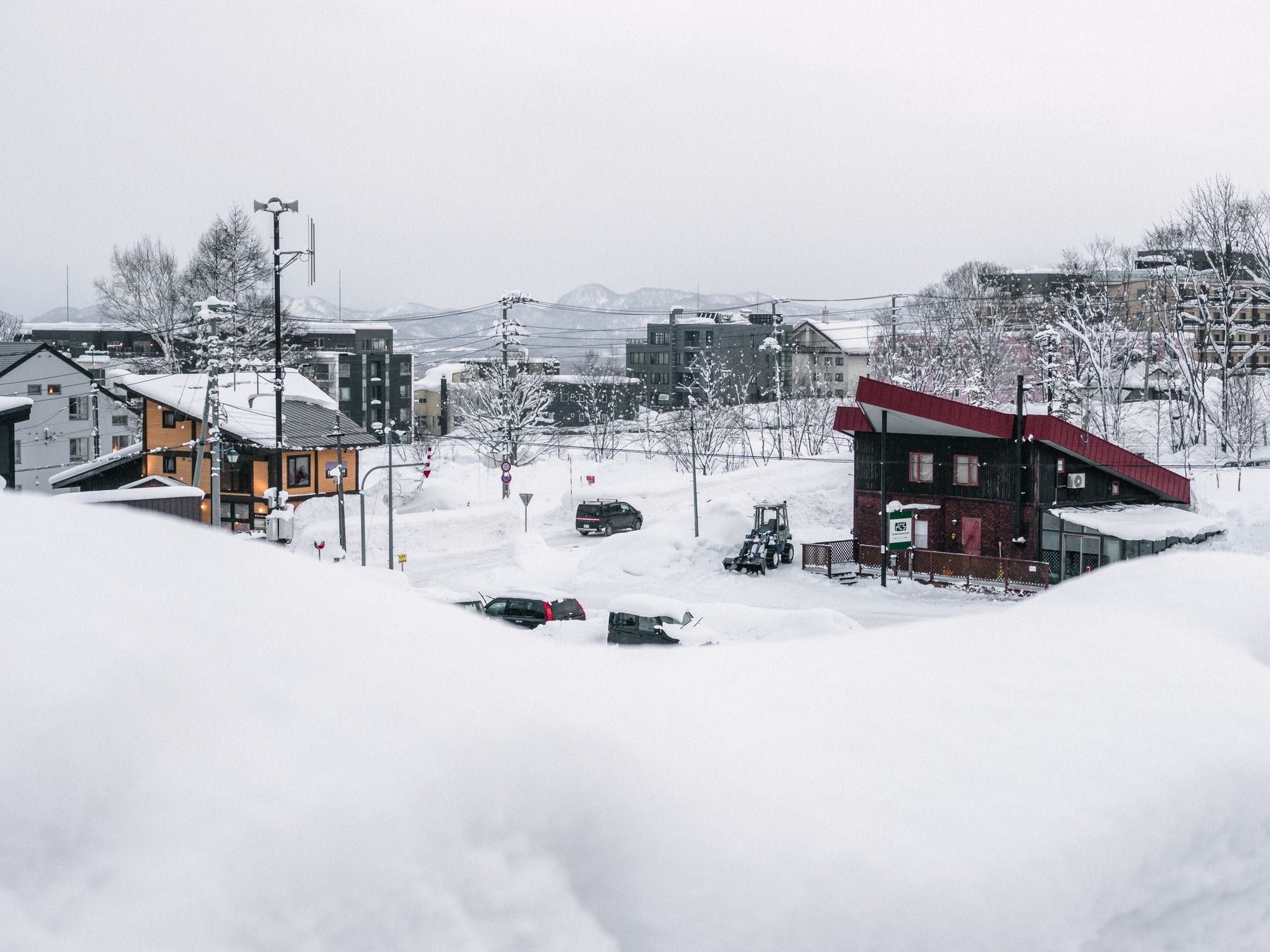
Until 25 years ago Niseko was an unknown farming village at the foot of Mount Yotei, a 1,898-metre volcano that looks so much like Fuji that it is called Ezo Fuji. The first ski lift on Mount Niseko Annupuri ran in 1961; in the 1980s skiers came from Sapporo and Tokyo, and when the ski boom burst along with the bubble economy in 1991, the lifts stood half empty. That Niseko is a global brand today is down to chance: around 2000 Australian skiers, who no longer wanted to go to North America after 11 September 2001, discovered that Hokkaido lies in their time zone and gets 15 metres of powder snow every winter. The snow forms because Siberian winter air crosses the Sea of Japan, soaks up moisture and dumps it on the first mountains of Hokkaido as extremely dry, light snow. From 2003 Australian investors bought guesthouses and built apartments, Hong Kong and Singapore followed in 2008, and in 2020 the Park Hyatt opened in Hanazono. The village of Hirafu became a place where English is the common language, property prices rival Tokyo and the neighbouring town of Kutchan reports the highest land price rises in Japan. Since 2019 a single lift pass has linked the four areas of Hanazono, Grand Hirafu, Niseko Village and Annupuri as "Niseko United". The locals still live from potatoes, milk and Yotei spring water, which gushes out of the rock for free at Kyogoku.