Japan · Onsen · 10 days

Winter in Japan

Fuji views in Tokyo, ice sculptures in Sapporo, powder up to your hips and hot water under falling snowflakes: Japan in February is the best winter there is.

The route, day by day

  1. Day 1 to 3

    Tokyo: clear air, Fuji views and illuminations

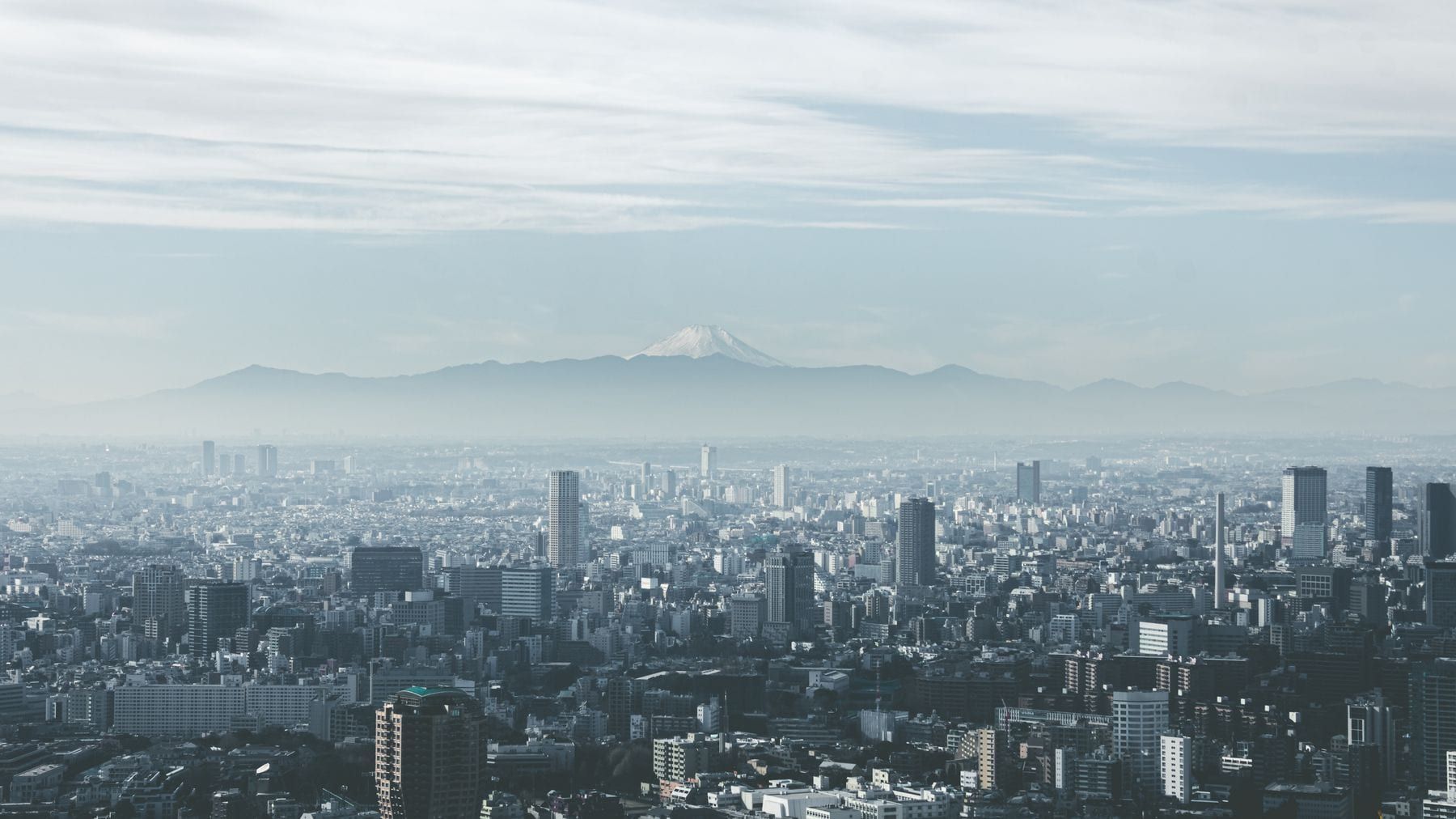
    Tokyo in winter is dry, cold and clear, and that means Fuji views. Stay three nights in Shinjuku, business hotel CHF 100 to 130 (about EUR 107 to 139) for two, and on the first morning go up to the free observation deck on the 45th floor of the Metropolitan Government Building; in winter visibility the mountain stands white on the horizon. Day 2: Senso-ji in Asakusa, then Ueno with the National Museum, in the evening the illuminations in Marunouchi or Roppongi, which run until mid February. Day 3: Meiji Shrine, Harajuku, Shibuya, a hot bowl of oden from the konbini in between, an izakaya with nabe hotpot in the evening. If skiing is already on your mind, pick up hand warmers (kairo) at the konbini for CHF 1; they will be worth gold in Niseko. On to Sapporo: flight from Haneda to New Chitose, 95 minutes, CHF 60 to 100 with the JAL or ANA fare for foreign visitors, then the JR Rapid Airport in 37 minutes to Sapporo (CHF 7). Train alternative: Hayabusa and Hokuto, eight hours, CHF 170.

    Tours at this stop: Tokyo food tour in Shinjuku ↗Day trip to Fuji and Lake Kawaguchi ↗

    Open the Tokyo travel guide →
  2. Day 4 to 6

    Sapporo: Snow Festival, miso ramen and Jozankei

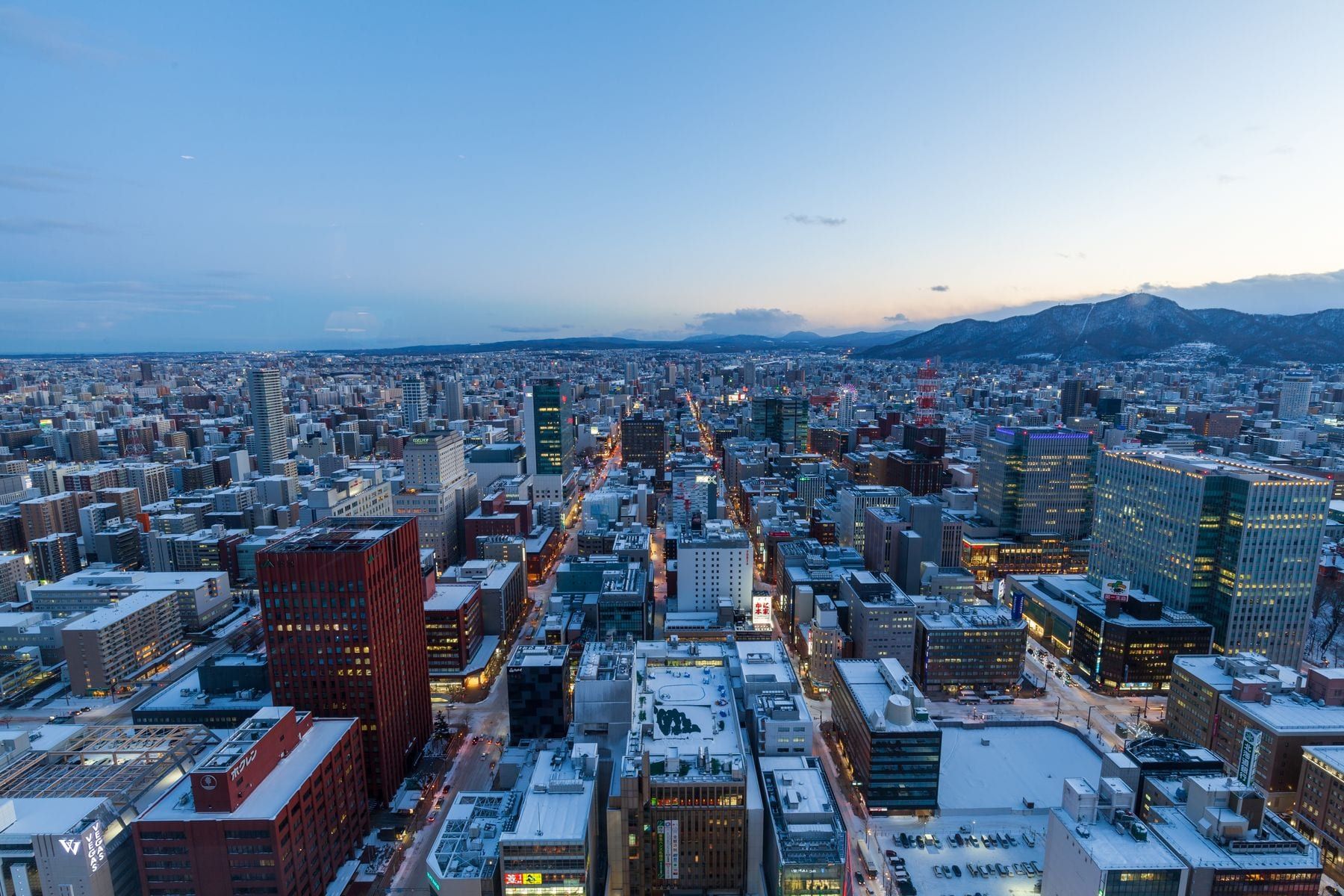
    The Sapporo Snow Festival runs every year in early February for around a week, usually from the 4th to the 11th, and shows snow sculptures as big as houses in Odori Park, ice sculptures in Susukino and slides for children at the Tsudome site, all free. Stay three nights in a business hotel with onsen bath near Susukino, CHF 130 to 180 (about EUR 139 to 193) for two in festival week instead of the usual CHF 100, and book in autumn. Day 4: arrival, in the evening through the illuminated Odori Park, then miso ramen in Ramen Yokocho. Day 5: bus 75 minutes to Jozankei Onsen (CHF 6), day bath in one of the hotels with a rotenburo in the snowy gorge (CHF 6 to 10), back to Nijo Market for crab. Day 6: Hokkaido Shrine in the snow, the Sapporo Beer Museum with Genghis Khan lamb, Susukino in the evening. On to Niseko: ski bus from Sapporo (Chuo Bus or Resort Liner) direct to Hirafu, 2 hours 30 to 3 hours, CHF 25 to 30, reserve online; or train to Otaru and on by local train to Kutchan, 2 hours 30, CHF 15, then bus into the village.

    Tours at this stop: Sapporo Snow Festival walking tour ↗Jozankei Onsen day trip ↗

    Open the Sapporo travel guide →
  3. Day 7 to 9

    Niseko: powder by day, onsen by night

    Niseko gets around 14 metres of snow a winter, dry and light, and the days are simple: ski, bathe, eat, sleep. Stay three nights in a pension or lodge in lower Hirafu or in Annupuri, CHF 200 to 300 (about EUR 215 to 320) for two; the apartments in upper Hirafu cost twice that. The Niseko United ski pass for all four areas costs CHF 55 to 70 a day, three days around CHF 180, Hirafu alone CHF 50, ten percent cheaper booked online in advance; powder skis rent for CHF 40 to 60 a day. Days 7 and 8: pistes and tree runs in Hirafu and Hanazono, and on the morning after a snowfall be at the lift before 8.30 am. Day 9: night skiing under floodlights until 8.30 pm, or a snowshoe day. Onsen every evening: Yukoro in Hirafu (CHF 6), Goshiki Onsen near Annupuri in the open air in the snow (CHF 5), or the lodge bath. On to Otaru: bus to Kutchan, local train on the Hakodate line along the sea to Otaru, 75 minutes, around two hours in all, CHF 8.

    Tours at this stop: Niseko ski lesson or powder guide ↗Snowshoe tour in Niseko ↗

    Open the Niseko travel guide →
  4. Day 10

    Otaru: candles on the canal and farewell sushi

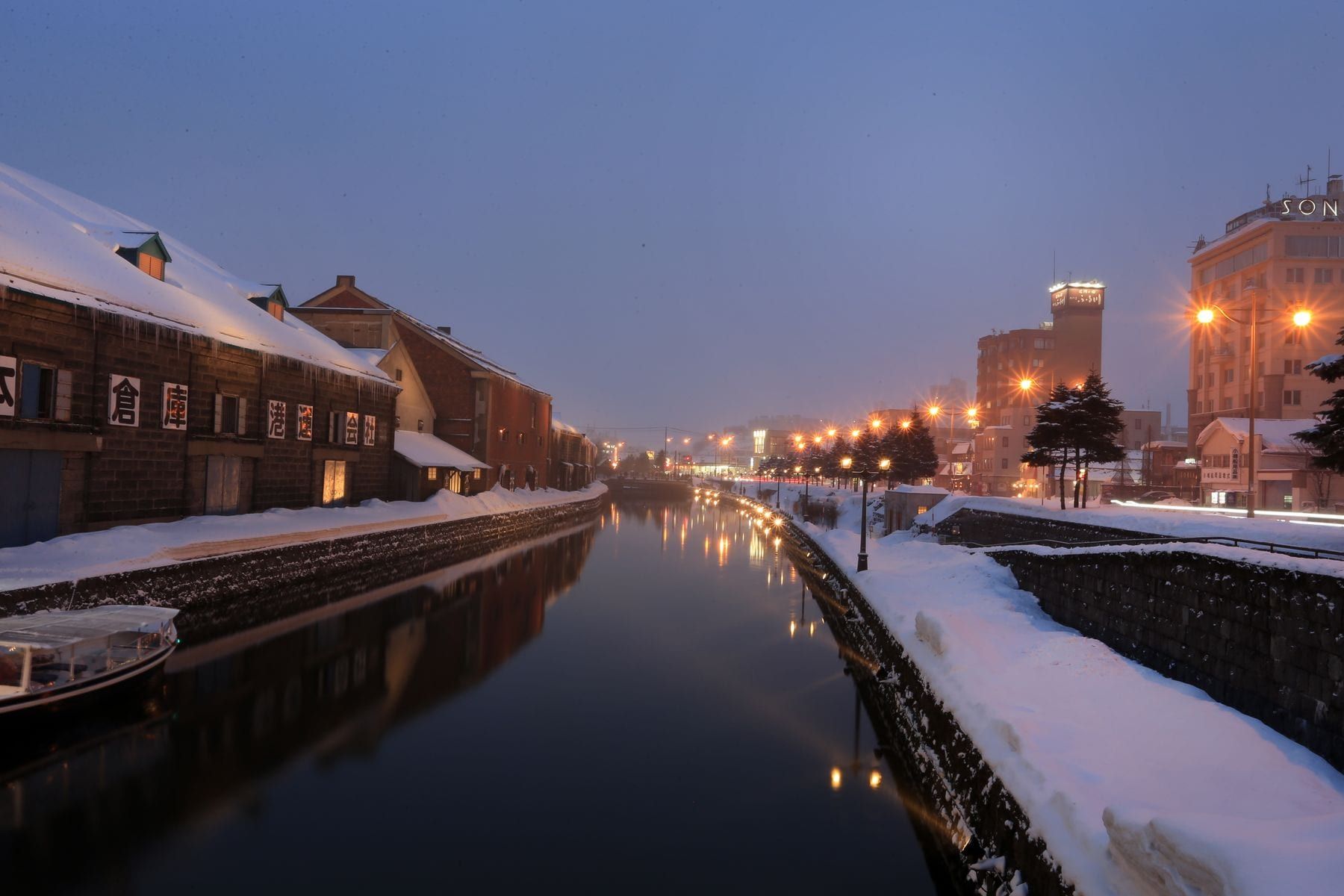
    Otaru is the right finale, because in February the harbour town celebrates the Snow Light Path: for ten days, usually overlapping with the Snow Festival, candles stand in snow lanterns along the canal and on the old Temiya railway embankment, and after 5 pm the town is one great flicker. Arrive in the morning, leave your luggage at a hotel by the canal (CHF 90 to 130, about EUR 96 to 139, for two) and walk along Sakaimachi street to the glass shops and the music box hall, then sushi at the counter in a place without photos on the door, set for CHF 25 to 40, the best on Hokkaido. In the afternoon the herring mansion Nishin Goten at Cape Shukutsu if you still fancy history, otherwise coffee in one of the warehouse cafes. After 5 pm the canal with candles, then a last evening with crab. Journey home on the morning of day 11 if your flight leaves early, or on the evening of day 10: the JR Rapid Airport runs from Otaru direct to New Chitose Airport in 75 minutes (CHF 12), flight to Tokyo and onwards home.

    Tours at this stop: Otaru Snow Light Path evening walk ↗

    Open the Otaru travel guide →

If you book through these links we earn a small commission, at no extra cost to you.

What the route costs

Rough total per person for the whole route, mid-range, travelling as a pair. Flights and hotels vary by season; details are on the destination pages.

  • Getting there 1,177 EUR
  • Accommodation 792 EUR
  • Food 482 EUR
  • Local mobility 235 EUR
2,686 EUR
Total per person · 10 days

Money & payment: You pay in yen (JPY). 1,000 yen is roughly CHF 6 or EUR 6.50. Cards work in cities and hotels; small restaurants, temples and rural stations often want cash. An IC card (Suica or ICOCA) on your phone pays for trains, buses and convenience stores.

Tips for the route

Ski costs come on top of the route costs: three days of Niseko United pass around CHF 180 (about EUR 193), skis and boots CHF 120 to 180 for three days, ski clothing to rent CHF 30 a day if you do not lug it along. Together CHF 350 to 450 per person. That is below Zermatt level, but with accommodation in Hirafu you end up just as expensive. To save, stay in Kutchan, 15 bus minutes away, at half the price.

Book in this order: first Niseko accommodation (the good places are full in September), then Sapporo for festival week (tight from October), then the domestic flight (the JAL and ANA fare for foreign visitors can only be booked online from abroad and needs the international flight as a reference). The week before the festival is cheaper everywhere and the sculptures are already half finished; that is the honest money saving tip.

The route also runs in reverse: fly direct to New Chitose via Tokyo, Niseko first, then Sapporo for the festival, Tokyo at the end and home from Haneda. That pays off if your festival date falls in the second week of February or you want city after skiing. Forwards has the advantage that you see Tokyo without sore muscles and your flight home from Sapporo needs no second stay in Tokyo.

Powder in Niseko is not marketing, and it demands respect: the gates into the terrain next to the pistes are official, but beyond them is avalanche terrain, and anyone going there books a guide (CHF 150 to 250, about EUR 160 to 270, a day) and carries a transceiver, shovel and probe. Tree runs inside the ski area are allowed and are the real Niseko experience. Never ski alone in the forest; tree wells are the most common cause of accidents.

Clothing: in Sapporo and Niseko the temperature is around minus five by day and minus ten at night, in Tokyo around eight degrees. Non slip shoes with grip are a must in Sapporo, where the pavements are packed ice; the konbini sell slip on spikes for CHF 8 (about EUR 9). Hand warmers (kairo) are everywhere for CHF 1. Onsen after skiing is the best part of the day; cover tattoos or ask the lodge for a private bath.

Otaru on the last day only works if your flight home leaves in the evening or the following day. From New Chitose you fly first to Haneda or Narita and then onwards; allow three hours of connection time, because in Tokyo you have to re-check your luggage if the domestic and international flights were booked separately. If you have a morning flight, stay overnight in Otaru and take the first Rapid Airport at 6 am.

Frequently asked questions about Winter in Japan

Are ten days enough for winter in Japan?

For three days in Tokyo, three days in Sapporo with the festival, three ski days in Niseko and an evening in Otaru, yes. If you want a full ski week, cut Tokyo to two days and add two more days in Niseko. With two weeks there is room for an onsen detour to Noboribetsu or a day on the snow train to Hakodate.

When exactly is the Snow Festival?

Early February, in recent years usually from 4 to 11 February; the dates are published on the festival website the summer before. The snow in Niseko is best from mid January to the end of February; March is sunnier with heavier snow and cheaper hotels. The Snow Light Path in Otaru runs for around ten days around festival week.

Do I need a hire car in winter?

No, and I advise against it: the roads on Hokkaido are packed snow in February, Niseko and Sapporo have ski buses and trains, and in the villages you walk. If you want to drive, you get winter tyres automatically, need the international driving permit under the Geneva Convention and experience with ice. For this route it is not worth it.

What does the winter trip cost?

Around CHF 2,510 (about EUR 2,690) per person without skiing: flight CHF 1,100, nine nights as a couple CHF 740, of which around CHF 350 for Niseko, food CHF 450 and mobility CHF 220 with the domestic flight, ski bus and trains. Add ski pass and hire of around CHF 350 to 450. In all just under CHF 3,000, comparable to a week in Zermatt plus a city break.

Is skiing in Japan safe, and what are the pistes like?

The pistes are wide, well groomed and rather flat by Swiss standards; the appeal lies in the snow and the tree runs inside the area. Piste rules match ours, and helmets are usual. Avalanche danger exists outside the gates, so go there only with a guide. Niseko has English speaking ski schools and clinics, and travel insurance with winter sports and helicopter rescue is part of the package.

Is there a version without skiing?

Yes, the route also works as a pure winter and onsen trip: in Niseko snowshoeing instead of skiing, onsen hopping and views of Yotei, or swap Niseko for Noboribetsu Onsen, reached by train from Sapporo in 70 minutes, with its Hell Valley and huge baths. The Snow Festival and Otaru remain, and the trip becomes around CHF 400 (about EUR 430) cheaper.

More itineraries through Japan