Sapporo

Japan · Hokkaido · Travel guide

Sapporo

What a few days in Hokkaido's capital really cost, where to eat the best miso ramen and how to use Sapporo as a base for the whole island.

Photo: jason hu / Pexels

What does a trip to Sapporo cost?

Adjust the values to your trip: the calculator updates live (EUR, converted from CHF estimates).

3,574 EUR
≈ 1,787 EUR per person
  • Flights 2,354 EUR
  • Accommodation 482 EUR
  • Food 428 EUR
  • Local transport 54 EUR
  • Rental car for 3 days in Hokkaido (per person, 2 sharing) 257 EUR

Estimates for orientation, not booking prices. Flights and hotels vary strongly by season: current prices are behind the links below.

Money & payment: You pay in yen (JPY). 1,000 yen is roughly CHF 6 or EUR 6.50. Cards work in cities and hotels; small restaurants, temples and rural stations often want cash. An IC card (Suica or ICOCA) on your phone pays for trains, buses and convenience stores. Flight time: 12 to 14 hours, usually with one stop.

Recommended hotels

Nine options in three price ranges, each among the best-rated on Booking.com.

Budget

Toyoko Inn Hokkaido Sapporo Susukino Minami

Susukino, Sapporo

Simple chain hotel on the eastern edge of Susukino, two minutes from Hosui-Susukino subway station. Small rooms, but clean, with free breakfast and washing machines. Hard to beat for a roof over your head in the middle of the nightlife district.

from CHF 50 / night (about EUR 54) View →

APA Hotel Sapporo Susukino Ekimae

Susukino, Sapporo

Right on the Susukino crossing, two minutes from Ramen Yokocho. Rooms are tight as usual at APA, but the beds are new and the Wi-Fi is good. The street can be noisy at night, so ask for a room at the back.

from CHF 55 / night (about EUR 59) View →

Dormy Inn Premium Sapporo

Minami 2 Nishi 6, Sapporo

The hotel every Japan traveller needs once: onsen bath and sauna on the top floor, free ramen in the evening, ice lollies after the bath. Between Odori and Susukino, priced just above business hotel level.

from CHF 70 / night (about EUR 75) View →

Mid-range

Mitsui Garden Hotel Sapporo

Kita 5 Nishi 6, Sapporo

Three minutes from the station, quiet, with a large shared bath and a breakfast buffet that shows off Hokkaido produce (milk, salmon, corn). Rooms are modern and bigger than at the budget chains. Ideal if you make lots of day trips by train.

from CHF 95 / night (about EUR 102) View →

Cross Hotel Sapporo

Kita 2 Nishi 2, Sapporo

Design hotel between the station and Odori with a rooftop bath and a view over the city. Rooms in three styles (Natural, Urban, Hip), a good restaurant and friendly service. Fairly priced for the standard; book early for the Snow Festival.

from CHF 110 / night (about EUR 118) View →

JR Tower Hotel Nikko Sapporo

Station, Sapporo

Directly above the station on floors 23 to 34, with rooms looking over the whole city to the mountains. Spa on the 22nd floor with onsen water (extra charge). Perfect for a late-night arrival or early trains to Otaru and Furano.

from CHF 150 / night (about EUR 161) View →

Luxury

Sapporo Grand Hotel

Kita 1 Nishi 4, Sapporo

The city's grand hotel since 1934, between the station and Odori. Classically furnished rooms, several restaurants and one of the best hotel bakeries in Japan on the ground floor. Not modern, but dignified, with prices that are moderate for a hotel of this class.

from CHF 180 / night (about EUR 193) View →

Hotel Okura Sapporo

Minami 1 Nishi 5, Sapporo

Quiet and understated in true Okura style, a few steps from Odori station. Generous rooms, an excellent Japanese breakfast and staff who patiently sort out questions about rental cars and train connections. For the location, the best value at the top end.

from CHF 200 / night (about EUR 214) View →

Sapporo Prince Hotel

Minami 2 Nishi 11, Sapporo

The round tower on the western edge of the centre, 28 floors, every room with a panoramic view of the mountains or the city. Its own onsen bath and a big breakfast buffet. Ten minutes on foot to Odori and quieter than the hotels in the middle.

from CHF 170 / night (about EUR 182) View →

If you book through these links we earn a small commission, at no extra cost to you.

Experiences worth your time

Sapporo Snow Festival (Yuki Matsuri)

Early February, for one week, free entry. The sculptures in Odori Park are lit in the evening; the ice sculptures in Susukino are best after 10 pm, when the groups have gone. Book your hotel six months ahead.

View & book →

Sapporo Beer Museum and brewery

In the red-brick building of the old 1890 brewery, free entry, premium tour with tasting CHF 10 (about EUR 11). Afterwards, Genghis Khan grilled lamb with beer in the beer garden next door. Bus 88 from the station, or 15 minutes on foot from Higashi-Kuyakusho-mae subway station.

View & book →

Odori Park and TV Tower

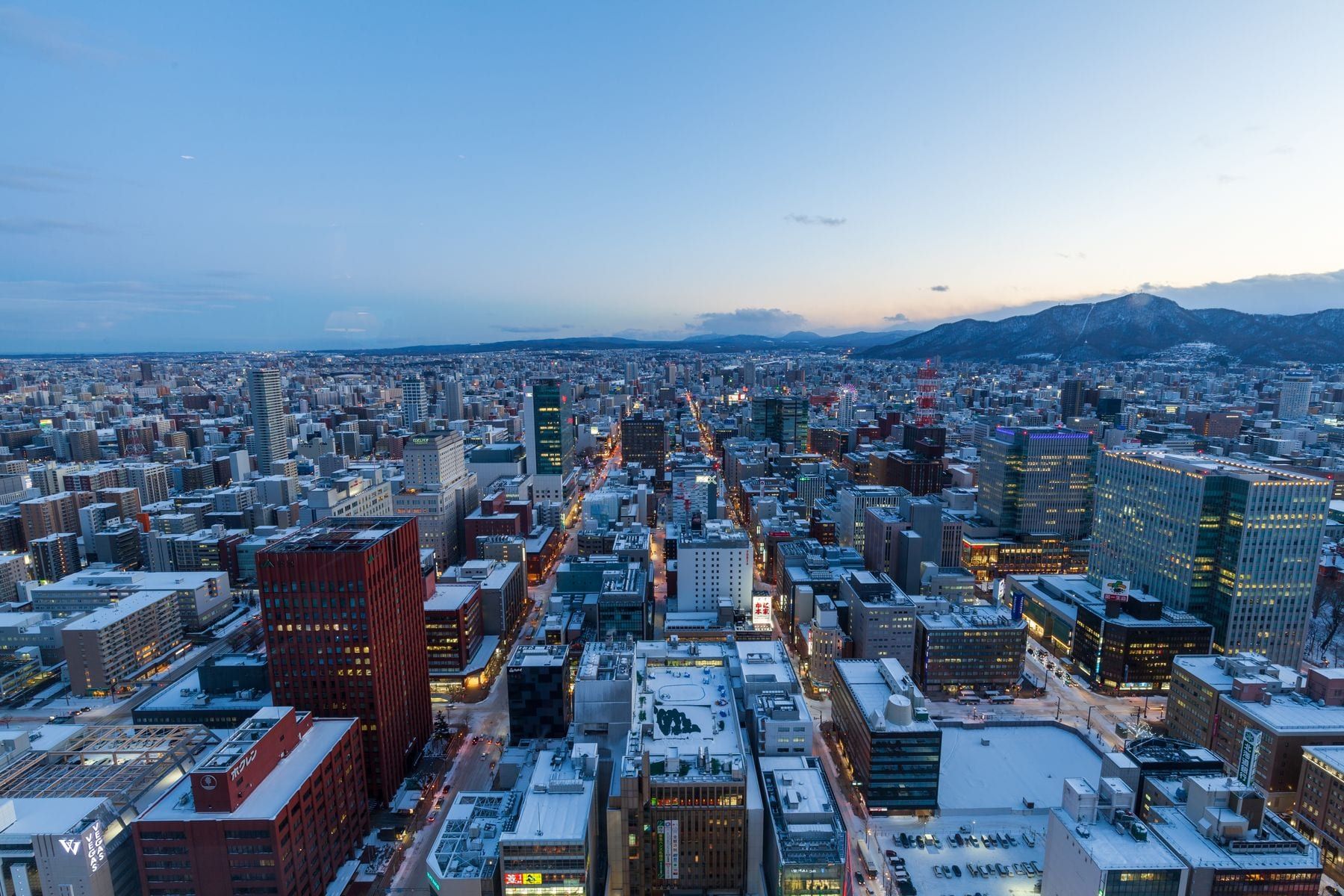
The 1.5-kilometre park divides the city; the observation deck of the TV Tower at its eastern end costs CHF 6 (about EUR 6). Better: the JR Tower T38 observation deck is higher (CHF 5) and shows you the park from above.

View & book →

Nijo Market in the morning

Small fish market dating from 1903, ten minutes east of Odori. Kaisendon (a rice bowl topped with raw fish) from CHF 15 (about EUR 16), grilled crab legs from CHF 10, slices of melon in summer. Go before 9 am; after that it turns into a tourist bazaar.

View & book →

Mount Moiwa ropeway by night

Ropeway and mini funicular up to 531 metres, CHF 13 (about EUR 14) return. The night view over the city is considered one of the three finest in Japan. Tram to Ropeway Iriguchi, then a free shuttle bus. Sometimes closed in winter because of wind.

View & book →

Shiroi Koibito Park (chocolate factory)

The factory behind the famous Hokkaido biscuit, half museum, half Tudor-style theme park. Entry CHF 5 (about EUR 5), biscuit-baking class CHF 10 to 15. Kitschy, but a good half day with children; the stop is Miyanosawa.

View & book →

Historical Village of Hokkaido (Kaitaku no Mura)

Open-air museum with 50 buildings from the pioneer era of 1868 to 1920, entry CHF 5 (about EUR 5), with a horse-drawn sleigh instead of the horse tram in winter. Together with the Hokkaido Museum next door it makes a full day; bus from Shin-Sapporo.

View & book →

Day tour to Lake Toya and Mount Usu

Guided bus tours from Sapporo combine Lake Toya, Showa-Shinzan (a volcano that rose out of a field in 1944) and Noboribetsu with its Hell Valley, CHF 60 to 90 (about EUR 64 to 96). Long (11 hours), but without a rental car the only way to see all of it in one day.

View & book →

Snowshoe or ski tour in the surrounding area

From December to March guides lead half-day snowshoe tours in the forests near Jozankei or at Sapporo Kokusai ski area, CHF 50 to 80 (about EUR 54 to 86) including equipment. For anyone who wants to see powder snow without Niseko prices.

View & book →

If you book through these links we earn a small commission, at no extra cost to you.

Food & drink

Hokkaido is Japan's larder: milk, butter, corn, potatoes, salmon, crab, sea urchin. Sapporo has turned all that into a cuisine of its own, heartier and more buttery than the rest of the country, with miso ramen and grilled lamb as its signatures. Here the food is the main reason for the trip, not a side dish.

Miso ramen

Ramen Yokocho in Susukino, an alley with 17 tiny ramen shops

Sapporo's invention (1955, at the restaurant Aji no Sanpei): a rich miso broth, curly yellow noodles, corn, bean sprouts and often a knob of butter on top. Warms you right through at minus ten degrees. CHF 6 to 9 (about EUR 6 to 10) per bowl.

Tip:The alley is touristy but honest: sit down where Japanese people are queuing, and avoid the shop with a tout outside.

Genghis Khan (jingisukan)

Sapporo Beer Garden by the beer museum, or Daruma in Susukino

Lamb or mutton cooked on a domed cast-iron grill in the middle of the table, with onions, bean sprouts and a soy and apple sauce. Hokkaido's national dish, not Mongolian at all but born from the sheep farming of the 1930s. CHF 15 to 25 (about EUR 16 to 27) per person with beer.

Tip:Daruma almost always has a queue; there are four branches in Susukino, so go to the honten (main branch) after 9 pm. Your jacket will smell of lamb afterwards, so ask for a plastic bag for your clothes.

Kaisendon with sea urchin and salmon roe

Nijo Market, for example at Donburi Chaya

A bowl of warm rice topped with uni (sea urchin), ikura (salmon roe), crab and scallop, whatever the season brings. Sweet, salty, creamy. CHF 15 to 35 (about EUR 16 to 37) depending on the toppings; sea urchin drives the price up.

Tip:Hokkaido sea urchin is in season from June to August, when the expensive version is worth it. Otherwise go for salmon and roe.

Soup curry

Suage+ in Susukino or Garaku near Odori

Sapporo's second invention (1970s): a thin, spicy curry soup with a whole chicken leg and chunky vegetables, rice on the side. You choose the heat level from 1 to 40. CHF 9 to 13 (about EUR 10 to 14).

Tip:Heat level 3 to 5 is plenty for a Swiss palate; from 10 upwards you pay extra and taste nothing any more.

King crab (taraba) and hairy crab (kegani)

Nijo Market, or the crab restaurant Kani Honke near the station

Hairy crab is small, sweet and the real Hokkaido speciality; king crab has the thick legs. Steamed or grilled, with nothing but lemon. A crab set menu costs CHF 60 to 150 (about EUR 64 to 161), a single grilled leg at the market CHF 10 to 20.

Tip:The famous crab houses are very expensive; at the market you can first find out whether crab is worth the money to you.

Soft-serve ice cream made with Hokkaido milk

Milk Mura in Susukino (soft-serve with liqueur) or any stall in the Tanukikoji shopping arcade

You find soft-serve all over Japan, but Hokkaido milk makes it richer and fresher. Vanilla, melon or lavender, CHF 2.50 to 4 (about EUR 2.70 to 4). In winter too: people here eat ice cream at minus five degrees in a heated café.

Tip:The best versions are at Shiroi Koibito Park and at Kinotoya Bake at the station, where you also get the baked cheese tart for CHF 1.50 (about EUR 1.60).

Zangi (Hokkaido fried chicken)

Izakaya in Susukino, for example the Torikizoku chain, or the stalls at Nijo Market

Like karaage, but the garlic, ginger and soy marinade is stronger and the pieces are bigger. It started in Kushiro and is on the menu of every izakaya in Sapporo. A portion costs CHF 4 to 7 (about EUR 4 to 7.50), the perfect match for beer.

Tip:As a konbini snack from the hot counter at Seicomart (Hokkaido's own convenience store chain) it is almost as good, for CHF 1.50 (about EUR 1.60).

Sapporo Classic beer

Sapporo Beer Garden by the beer museum, and the Odori beer garden in summer

The brew you only get on Hokkaido, 100 per cent malt and a little lighter than regular Sapporo. A glass costs CHF 3 to 5 (about EUR 3 to 5) in a bar, a can at the konbini CHF 1.50. Have edamame or zangi with it.

Tip:At the beer garden in Odori Park (July to August) all four big breweries set up; the Sapporo section is the largest and really does feel like Munich in the north.

Book a food tour: Sapporo

Through markets and eateries with a guide, tastings included.

View & book →

If you book through these links we earn a small commission, at no extra cost to you.

History & background

Sapporo is young, at least by Japanese standards. Until 1868 the plain along the Toyohira river was home almost only to the Ainu, the indigenous people of Hokkaido; the name comes from the Ainu words "sat poro pet", dry great river. After the Meiji Restoration the new government wanted to secure the north against Russia and in 1869 founded the Kaitakushi development agency, which made Sapporo the capital of the island in 1871. American advisers laid the city out on a grid, with Odori as a firebreak down the middle, which is why you find your way around here more easily than in any other Japanese city. In 1876 William S. Clark came from Massachusetts to set up the agricultural college that became Hokkaido University; his "Boys, be ambitious" is now written on half of Sapporo. The same year the Kaitakushi brewery opened, the forerunner of Sapporo Beer, because the climate resembled Bavaria and wild hops grew in the area. In 1972 Sapporo hosted Asia's first Winter Olympics and got its subway for them; the TV Tower had already gone up in 1957. In 150 years a settlement of seven houses grew into a city of two million, the fifth largest in Japan. The Snow Festival began in 1950 with six snow sculptures made by school pupils in Odori Park. Today around two million visitors come for it every February.

Insider tips

Getting there: via Tokyo to New Chitose, then the fast train

From Zurich you fly to Tokyo (Haneda or Narita) and on to New Chitose (CTS), 14 to 16 hours in total, for CHF 1,000 to 1,200 (about EUR 1,070 to 1,280). The domestic route from Tokyo to Sapporo is the busiest air route in the world: JAL and ANA fly almost hourly, Peach and Jetstar from CHF 40. Tip: as a foreign visitor you can add the domestic flight with JAL or ANA through the "Japan Explorer Pass" or "Experience Japan Fare" for around CHF 65. From the airport the JR Rapid Airport train takes 37 minutes to Sapporo (CHF 7). The Shinkansen ends in Hakodate until probably 2038; Tokyo to Sapporo by rail takes eight hours and costs CHF 170, which only pays off with a JR Pass. In the city three subway lines and your Suica or Kitaca card are enough, a ride costs CHF 1.30 to 2. You can walk the centre between the station, Odori and Susukino in 20 minutes, in winter through the heated underground passages.

Where to stay: a business hotel with an onsen bath, near Susukino

Sapporo is one of the few big Japanese cities where a business hotel room still costs CHF 50 to 70 (about EUR 54 to 75), except in February. Almost all the Dormy Inn, Vessel and La'gent hotels here have a public bath (daiyokujo) with a sauna on the roof, which is worth its weight in gold after a day at minus ten degrees, and Dormy Inn serves a small free bowl of ramen at 9.30 pm. Stay between Odori and Susukino: you can walk to every restaurant and need no taxi at night. The area around the station is more practical for day trips but dead in the evening. There are hardly any ryokan in the city; if you want one, go to Jozankei, an onsen village 50 minutes south by bus, from CHF 150 per person with dinner. During the Snow Festival (early February) prices triple and everything is gone months ahead, so book by October at the latest.

Cost traps: Susukino bars, crab menus and taxis in the snow

With 4,000 bars and restaurants, Susukino is the biggest nightlife district north of Tokyo and mostly harmless. Two things you should know: many bars charge a seating fee (otoshi) of CHF 3 to 6 (about EUR 3 to 6) per person that comes with a small dish; that is normal and not a scam. What you avoid are the touts on the street who steer you into "girls bars" or clubs, where an evening quickly costs CHF 200. Second trap: king crab. The big crab restaurants with the giant crab model on the front charge CHF 80 to 150 per person for a set menu. At Nijo Market you get a grilled leg of snow crab for CHF 10 to 15 and find out whether that is enough for you. Third trap: taxis in snowfall. The roads come to a standstill, the meter keeps running, and CHF 25 for three kilometres is then normal. Take the subway, it always runs.

Timing: Snow Festival, summer escape and the autumn in between

The Sapporo Yuki Matsuri runs for about a week in early February: huge snow sculptures in Odori Park, ice sculptures in Susukino, slides for children at Tsudome. Entry is free, hotels cost three times as much, temperatures sit at minus 5 to minus 12 degrees. Come two days before the official opening and you see the finished sculptures without the crowds. The rest of the winter (December to March) is for skiers, more on that under Niseko. Summer is the second big season: when Tokyo is boiling at 35 degrees and 80 per cent humidity, Sapporo has 24 degrees and dry air, plus the beer garden festival in Odori Park (mid July to mid August) and the Yosakoi Soran dance festival in June. Avoid Obon week in mid August because of domestic travellers. In autumn (mid October) the Hokkaido University campus and Maruyama Park change colour. Golden Week (29 April to 5 May) is less bad here than in Kyoto, but the cherry trees only blossom around then.

Underrated: Moerenuma Park and the Hokkaido University campus

Moerenuma Park in the north-east is the last work of the sculptor Isamu Noguchi, who died in 1988, before the former landfill opened as a park in 2005. A glass pyramid, a 62-metre artificial hill, a cherry grove with 2,600 trees and fountains that shoot 25 metres high every hour. Entry is free, a rental bike costs CHF 2 (about EUR 2) per hour, and you get there in 40 minutes by subway and bus (Toho line to Kanjo-dori-higashi, then bus 69 or 79). Hardly any foreigners come here. Second tip right by the station: the Hokkaido University campus, 1.8 square kilometres with a poplar avenue, rows of ginkgo trees (bright yellow in late October), the old buildings of the agricultural college and a canteen where you eat for CHF 4. In the Hokkaido University Museum (free) you see what sets the island apart from Honshu geologically and biologically. Both places cost nothing and show the Sapporo that locals themselves like.

Day trip: Jozankei Onsen, or by rental car towards Lake Toya

If you do not want a car, take the Kappa Liner bus (CHF 8, about EUR 9, 60 minutes, book ahead) to Jozankei: an onsen village in a gorge, with red maple slopes in October; a day bath in one of the big hotels costs CHF 8 to 15, and the footbath by the river is free. With a rental car (from CHF 45 per day at Toyota Rent a Car or Times, international driving permit mandatory) the island opens up: Lake Toya with the active Usu volcano is two hours away, Lake Shikotsu with its clear water one hour, and motorway tolls on Hokkaido stay reasonable (Sapporo to Toya around CHF 20). In winter you automatically get winter tyres; drive slowly anyway, black ice is normal on Hokkaido. Only pick up the car when you leave Sapporo: in the city parking costs CHF 15 to 25 per night and gets you nothing.

Frequently asked questions about Sapporo

How many days should I plan for Sapporo?

Two full days are enough for the city itself: one for Odori, the TV Tower, Nijo Market and Susukino, one for the beer museum, Moerenuma or Maruyama. Sapporo makes most sense as a base for a week in Hokkaido: two days in the city, one day in Otaru, then on to Furano, Niseko or Hakodate. For the Snow Festival plan three days, because you want to see the lit sculptures in the evening and the details by day.

When is the best time to visit Sapporo?

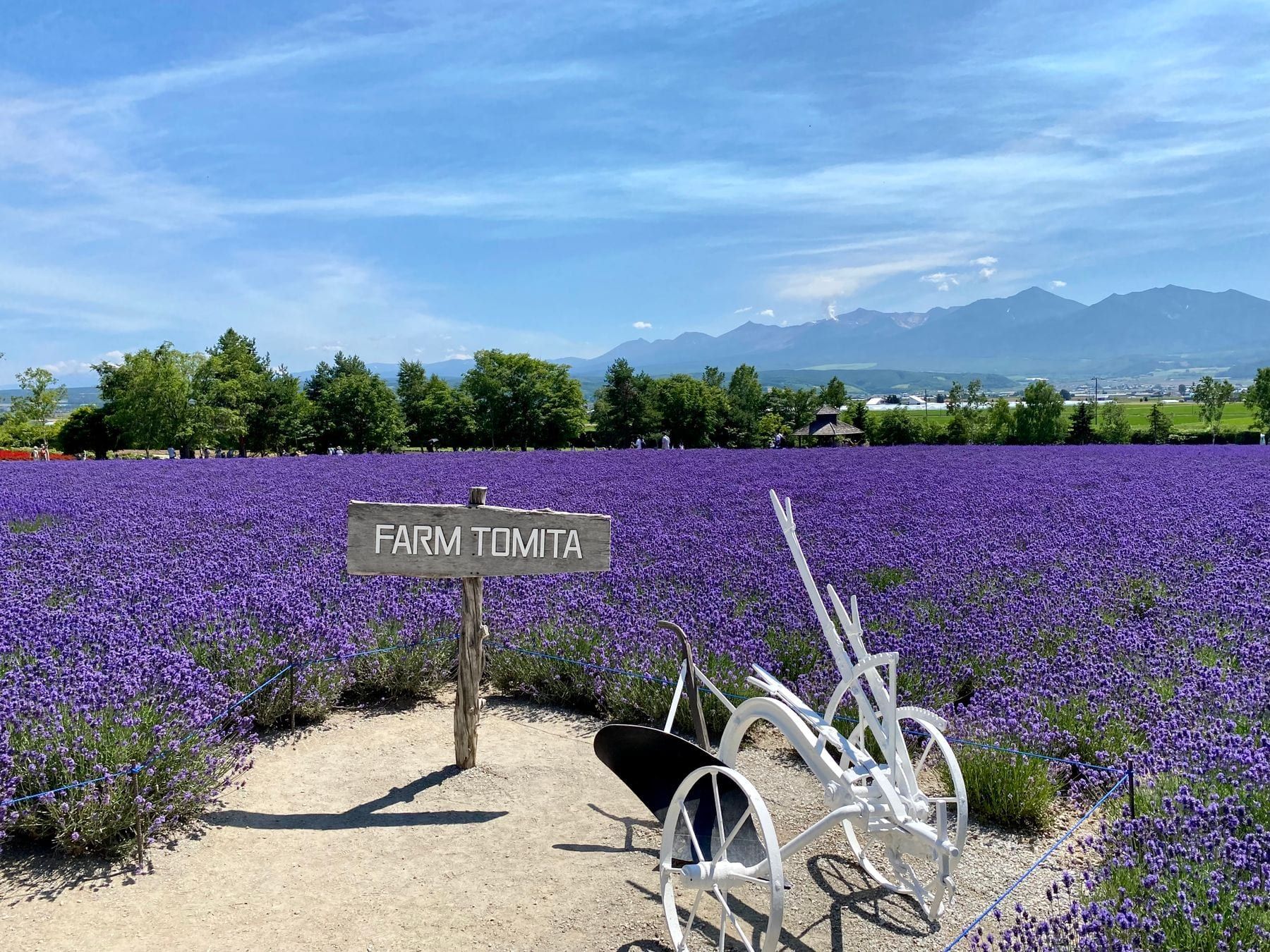
It depends on why you go. February for the Snow Festival and powder snow, but then it is cold and expensive. June to September for mild summer days, lavender in Furano and the beer garden, with July as the best month. October for autumn colours and few tourists. November and April are the least favourable months: grey, slushy, neither snow nor blossom, although hotels are at their cheapest then.

How do I get to Sapporo from Switzerland?

There is no direct flight to Hokkaido. The usual way is Zurich to Tokyo with Swiss, ANA or JAL and a connecting flight to New Chitose, or a change in Helsinki, Seoul or Doha. Total travel time 14 to 18 hours, price CHF 1,000 to 1,200 (about EUR 1,070 to 1,280). Alternatively you fly into Tokyo, travel through Honshu and fly home from Sapporo; an open-jaw ticket is hardly more expensive.

Do I need a rental car in Sapporo?

Not in the city, the subway and your feet are enough. For Hokkaido beyond the Sapporo, Otaru, Furano and Hakodate axis, yes: buses are infrequent and many train lines have been closed in recent years. You need an international driving permit under the 1949 Geneva Convention; nobody accepts a Swiss licence on its own. A small car costs CHF 45 to 70 (about EUR 48 to 75) per day, winter tyres included in winter.

How cold does it really get in winter?

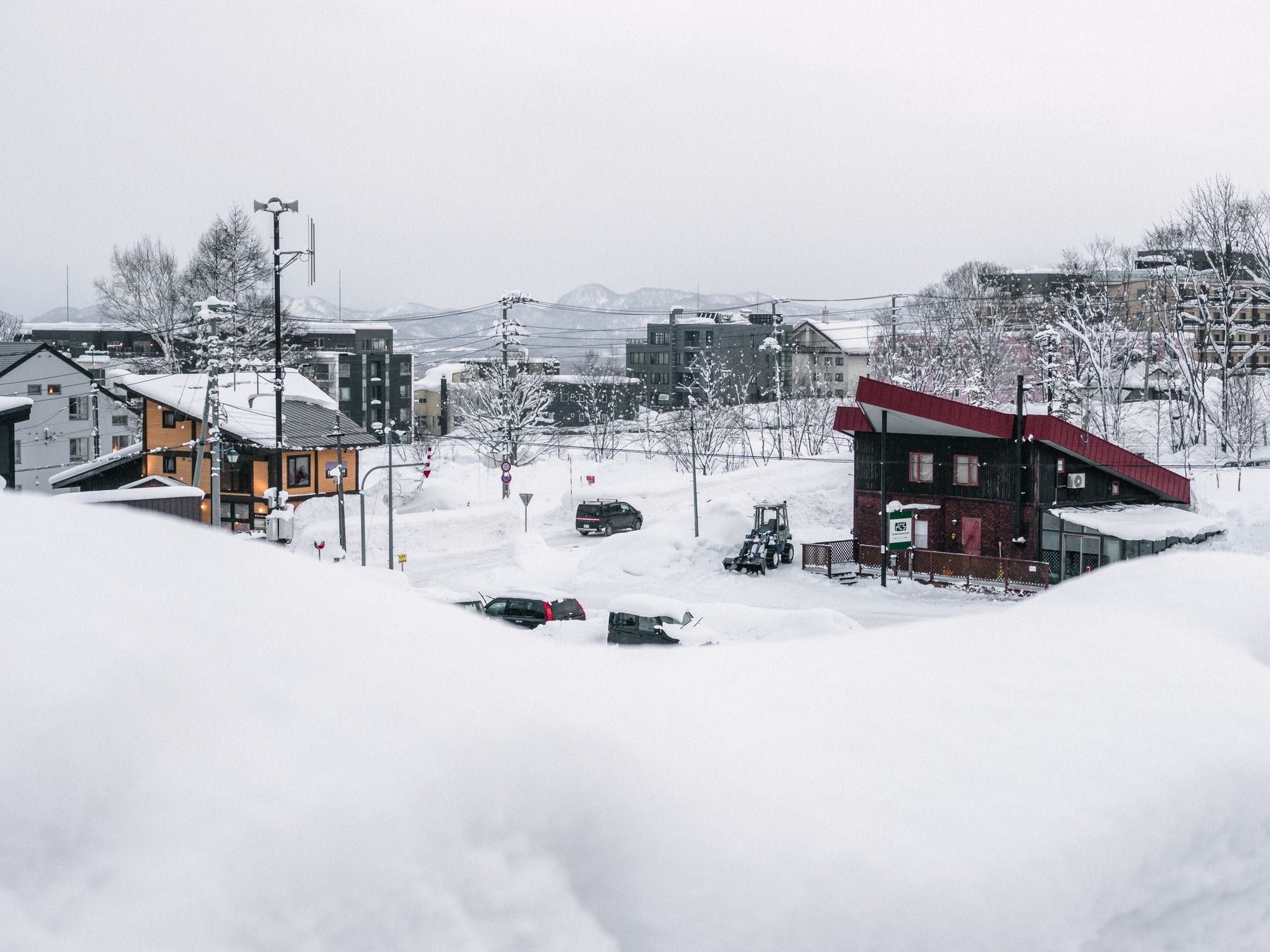
In January and February daytime temperatures are around minus 4 degrees, minus 10 at night, with about six metres of snowfall per winter. Thanks to the dry air it feels less harsh than 0 degrees in foggy Zurich. What matters are shoes with a good tread, because the pavements are icy; slip-on spikes cost CHF 8 (about EUR 9) at the konbini. Indoors everything is heated hard, so dress in layers rather than one thick jacket.

Is Sapporo more expensive than Tokyo?

No, on average it is cheaper. Hotels cost 20 to 30 per cent less, ramen and izakaya too, and the portions are bigger. Only seafood in tourist restaurants and everything around the Snow Festival costs more. A normal day with a business hotel, two restaurant meals, the subway and a museum comes to CHF 100 to 130 (about EUR 107 to 139) per person. The big item is the flight, not the stay.

Itineraries with this destination

Activities in the region

Events

Feb 4

Sapporo Snow Festival (Yuki Matsuri)

Culture

4 February 2027 Early February, about a week; 2027 expected 4 to 11 February

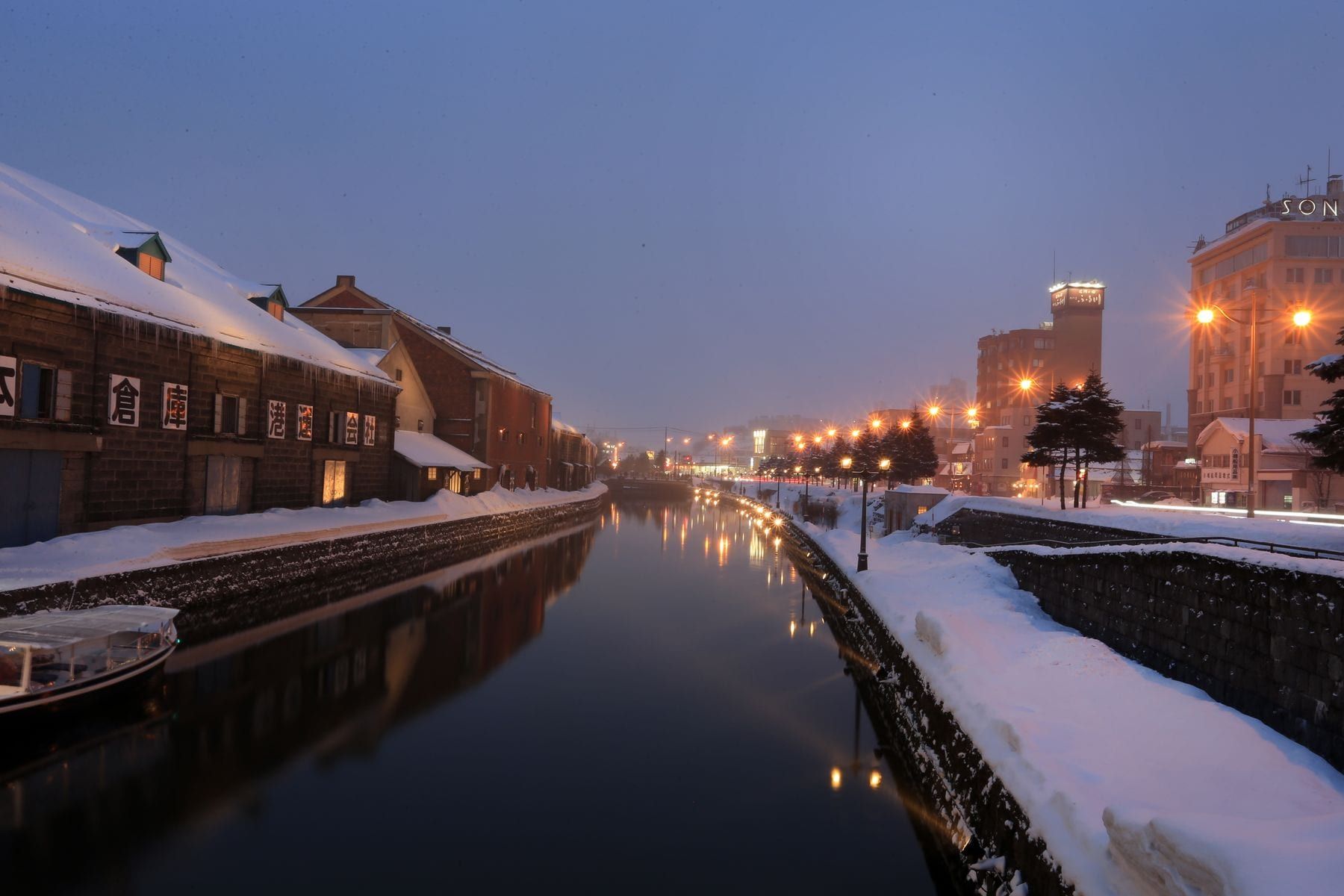
Japan's biggest winter festival, held since 1950: along one and a half kilometres of Odori Park stand around 200 snow and ice sculptures, among them a few building-sized works that the Self-Defense Forces pile up over several weeks, lit with projections in the evening. In Susukino ice sculptures glitter between the bars, and the Tsudome site has snow slides for children. Add food stalls with Hokkaido crab, ramen and hot sake. Entry is free, two million visitors come in one week, at temperatures between minus two and minus ten degrees. Non-slip shoes or spikes are a must; the pavements are sheer ice.

For travellers: Hotels in Sapporo cost double during the festival week and are gone months ahead; Otaru (40 minutes) is the alternative and holds its lantern festival at the same time, and Niseko is two hours away for ski days before or after.

More destinations in Hokkaido