Japan · Road trip · 10 days

Hokkaido Road Trip

Empty roads, lavender to the horizon, fish market at seven in the morning: Hokkaido is the one part of Japan where a hire car is the better choice.

The route, day by day

  1. Day 1 to 3

    Sapporo: miso ramen, beer and a car in the hotel car park

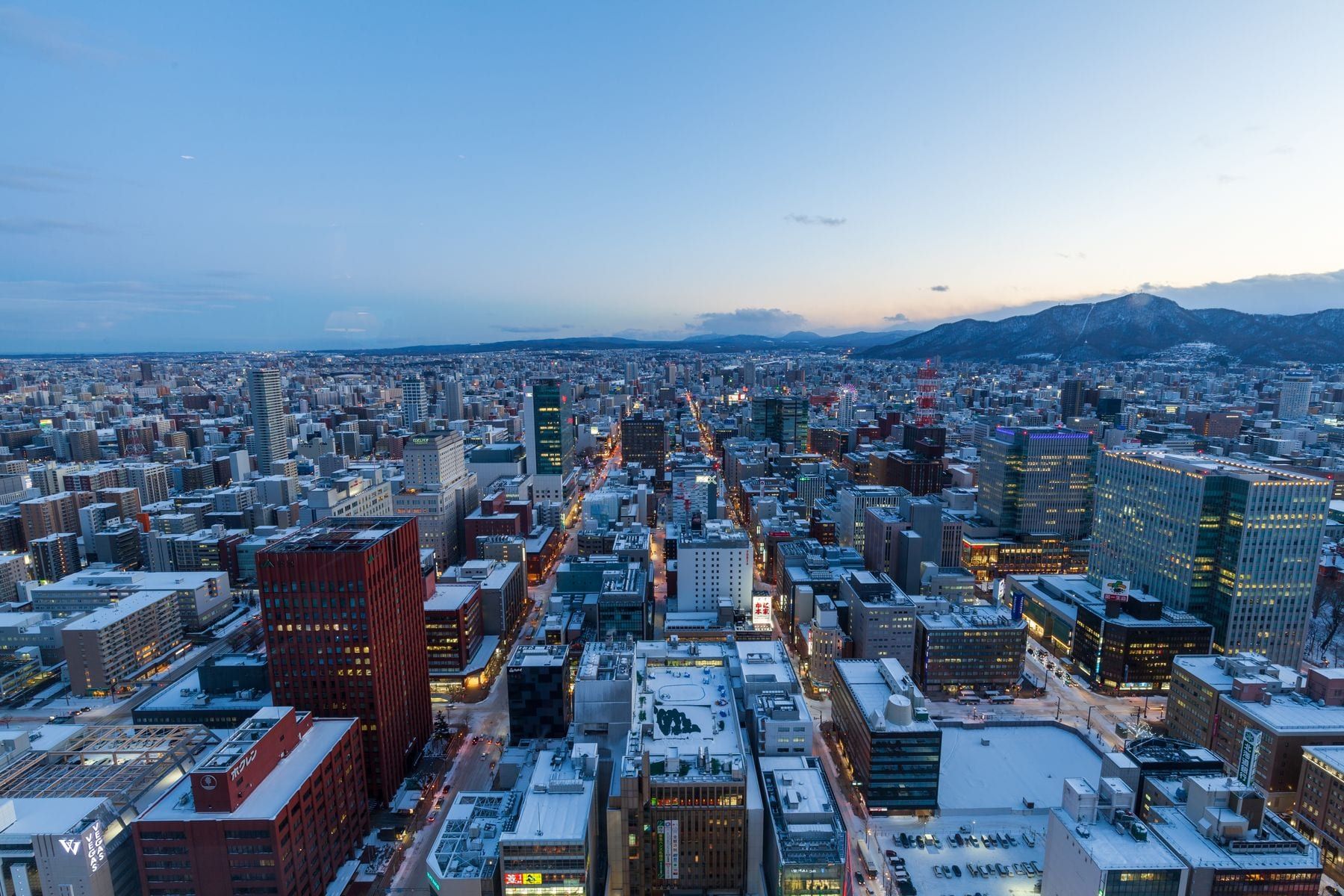
    You fly via Tokyo to New Chitose, collect the hire car at the airport (compact class CHF 50 to 60, about EUR 54 to 64, per day, with an ETC card for tolls) and drive 50 kilometres on the expressway to Sapporo, just under an hour. In the city you do not need the car, so choose a hotel with parking (CHF 10 to 15 per night), a business hotel with onsen bath near Susukino, CHF 100 to 140 for two. Day 2: Odori Park, the clock tower, Nijo Market, miso ramen in Ramen Yokocho for lunch, the Sapporo Beer Museum in the afternoon with Genghis Khan lamb in the beer garden, Susukino in the evening. Day 3: 40 minutes by car to Jozankei Onsen in the gorge, day bath CHF 6 to 10, back via Isamu Noguchi's Moerenuma Park. That way your first drive on the left happens on quiet roads. On to Otaru: 40 kilometres on the Sasson expressway in 50 minutes, or along the coast on Route 5 in an hour.

    Tours at this stop: Sapporo food tour ↗Jozankei Onsen day bath ↗

    Open the Sapporo travel guide →
  2. Day 4

    Otaru: canal, glass and the best sushi in Hokkaido

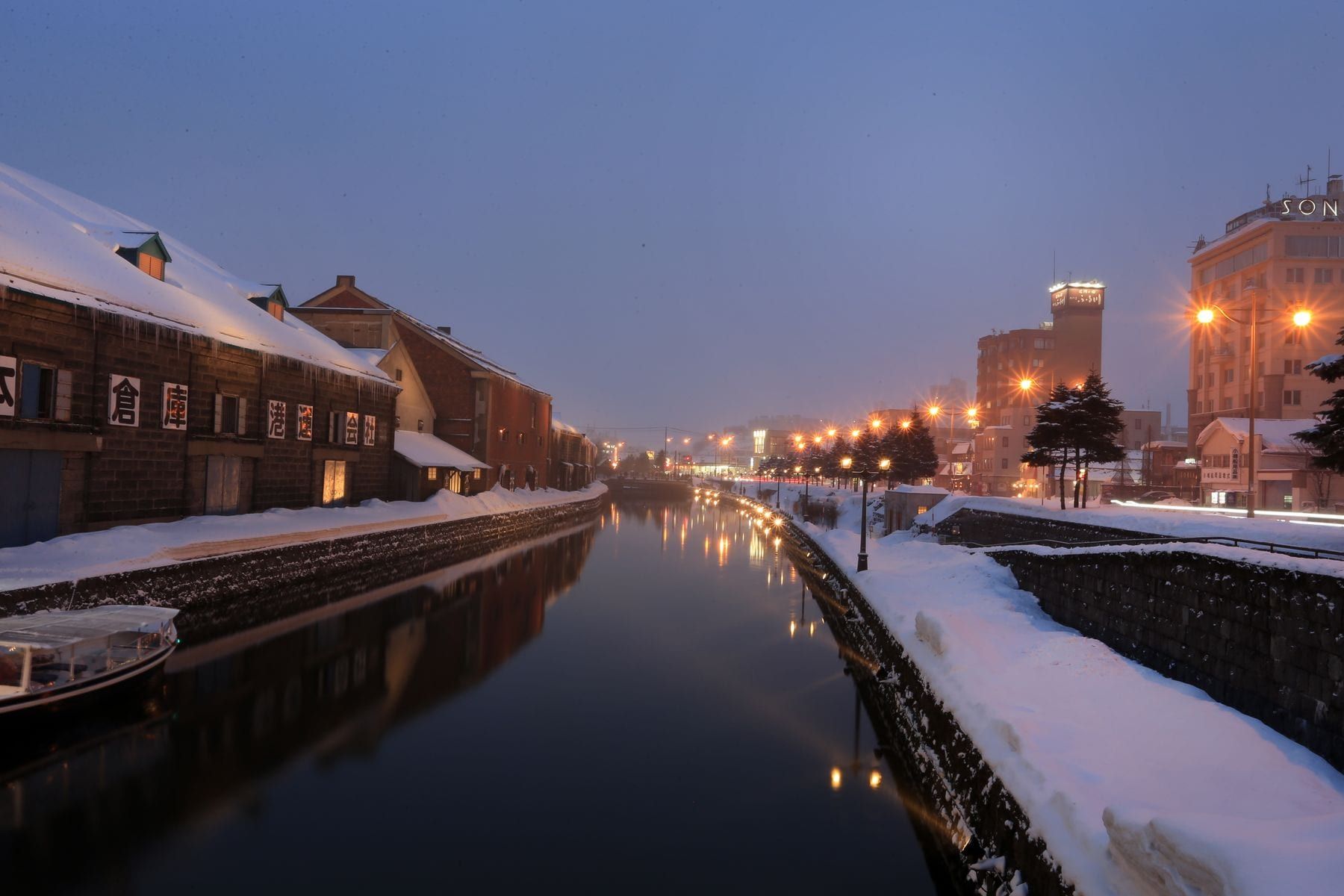
    Otaru is every tour group's day trip, and that is exactly why you stay the night: after 5 pm the canal is lit and empty, and at 8 in the morning you walk the promenade alone. Parking by the canal costs CHF 5 to 10 (about EUR 5 to 11) a day; some hotels have their own spaces. During the day you walk along Sakaimachi street with its glassblowers and music box shops, look into the old banking district and eat sushi at the counter for lunch: not in the places with photos on the door, but where the set is chalked on a board for CHF 25 to 40. In the afternoon drive to the capes of Shukutsu and Takashima, ten minutes north, with views over the bay. Hotel by the canal CHF 90 to 130 for two. On to Furano: 160 kilometres, on the expressway past Sapporo to Takikawa, then Route 38 up the Sorachi valley, around three hours with a break, toll about CHF 20.

    Tours at this stop: Otaru sushi cooking class ↗

    Open the Otaru travel guide →
  3. Day 5 to 7

    Furano and Biei: lavender, hills and a blue pond

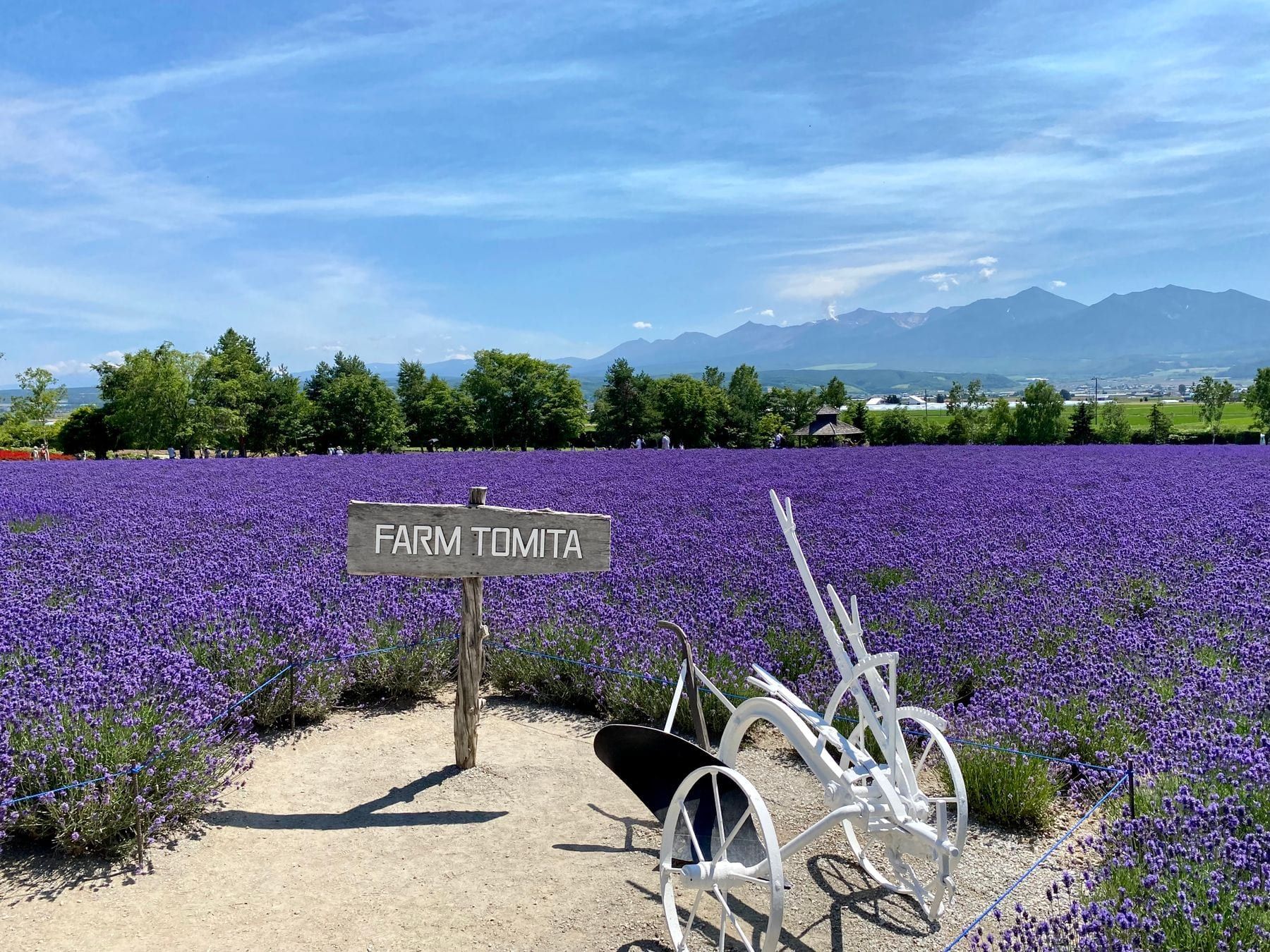
    Furano and Biei are the reason for the hire car: lavender farms, patchwork hills, a blue pond and guesthouses among the fields that are unreachable without a car. Stay three nights in a pension in Biei or Naka-Furano, CHF 100 to 160 (about EUR 107 to 171) for two with breakfast from the garden. Day 5: Farm Tomita in the late afternoon once the buses have gone; the lavender blooms from early to late July, entry and parking free, lavender soft serve CHF 3. Day 6: the panorama road in Biei with its famous trees, the Blue Pond at Shirogane (parking CHF 3) and the Shirahige waterfall, Furano cheese and wine in the evening. Day 7: up to Tokachidake Onsen at 1,280 metres for a bath with volcano views, or to the Asahidake ropeway in Daisetsuzan National Park, a 90 minute drive. On to Hakodate: 370 kilometres, five to six hours, on the Doo expressway towards Sapporo and then south via Tomakomai and Oshamambe, with a lunch stop at Lake Toya. This is the long day of the route, so leave early.

    Tours at this stop: Furano lavender fields tour ↗Biei hills and the Blue Pond ↗

    Open the Furano & Biei travel guide →
  4. Day 8 to 10

    Hakodate: morning market at seven and the night view

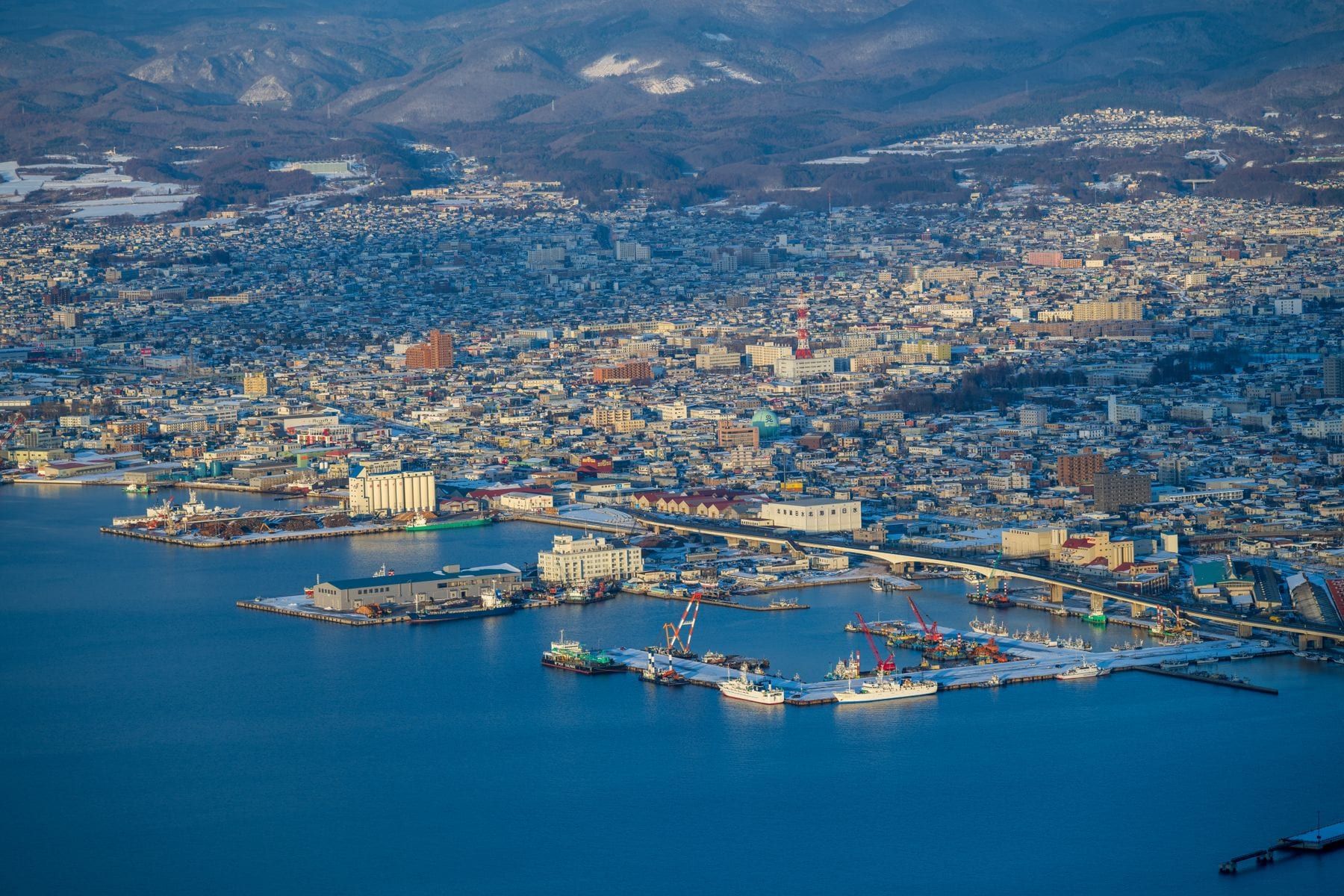
    Hakodate is the most relaxed city on the island, small, by the sea, with a tram that goes everywhere, so the car mostly stays parked here. Stay three nights by the station or at the harbour near the red brick warehouses, CHF 90 to 140 (about EUR 96 to 150) for two, parking CHF 8 to 12. Day 8: arrive in the evening, then straight up Mount Hakodate by ropeway (CHF 10 return) for the night view over the isthmus; in season you are not allowed to drive up in the evening. Day 9: morning market at 7 am with a sea urchin bowl (CHF 20 to 35) or squid fishing, then the slopes of Motomachi with churches and consulates, the star shaped fort Goryokaku with its tower (CHF 6) in the afternoon, shio ramen and Yunokawa Onsen in the evening. Day 10: journey home. Return the car at Hakodate Airport (one way fee within Hokkaido CHF 40 to 80), fly 80 minutes to Haneda and onwards home, or take the Hokkaido Shinkansen from Shin-Hakodate-Hokuto to Tokyo in four hours.

    Tours at this stop: Hakodate morning market and Motomachi walking tour ↗Hakodate night view tour ↗

    Open the Hakodate travel guide →

If you book through these links we earn a small commission, at no extra cost to you.

What the route costs

Rough total per person for the whole route, mid-range, travelling as a pair. Flights and hotels vary by season; details are on the destination pages.

  • Getting there 1,177 EUR
  • Accommodation 514 EUR
  • Food 449 EUR
  • Local mobility 460 EUR
2,600 EUR
Total per person · 10 days

Money & payment: You pay in yen (JPY). 1,000 yen is roughly CHF 6 or EUR 6.50. Cards work in cities and hotels; small restaurants, temples and rural stations often want cash. An IC card (Suica or ICOCA) on your phone pays for trains, buses and convenience stores.

Rental car for this route

A rental comparison link will follow once the partner programme is live. Until then, compare directly with the rental companies or at your arrival airport.

Tips for the route

Without an international driving permit under the 1949 Geneva Convention you will not get a car in Japan, not even with an EU card licence. Switzerland, Germany and Austria issue it (road traffic office, TCS, ADAC or ÖAMTC, CHF 20 to 40, about EUR 21 to 43, valid one year). Bring both documents; the rental company copies both. Without that paper no argument at the counter helps, and the reservation lapses.

Driving on the left in Japan is easier than expected: automatic, empty roads, polite drivers. The indicator stalk is on the right of the steering wheel, so you will switch the wipers on for the first few days. Speed limit 60 outside towns and 100 on the expressway, speed cameras are announced. Everyone stops at level crossings, even with no train. In the evening foxes and deer cross the road, so drive slower from dusk.

Tolls and ETC: the expressways on Hokkaido are charged, Sapporo to Takikawa around CHF 20 (about EUR 21). Order an ETC card from the rental company, then you drive through the purple lanes, and ask about the Hokkaido Expressway Pass for foreign renters, a flat rate of around CHF 50 to 70 for seven days. On this route it just about pays off, with extra detours clearly. Fuel is cheap at CHF 1.10 per litre, and the attendants fill up for you ("mantan").

In July Furano is full, and that is no exaggeration: around Farm Tomita there are traffic jams at weekends, and guesthouses are booked out from April. Drive to the fields before 9 am or after 4 pm and book accommodation in winter. If you dodge the lavender, come in September: sunflowers and autumn colours in Biei, half price, empty roads, and the sea off Hakodate is still warm enough for sea urchin.

You can reverse the route and start in Hakodate, for instance with the Shinkansen from Tokyo; it then ends at New Chitose Airport, which simplifies return flights. In winter the route is advisable only with winter tyres and experience: the rental companies fit them automatically from November to April, the expressways are cleared, but the pass road to Tokachidake and many side roads in Biei are then snow.

Parking in the cities is the only thing in Hokkaido that is more expensive than expected: in Sapporo you pay CHF 10 to 15 (about EUR 11 to 16) a night at the hotel, CHF 2 to 3 an hour in city car parks. Plan Sapporo and Hakodate as walking days and leave the car. Outside the cities parking is free almost everywhere, including at the lavender farms; only the private car parks in the neighbouring fields charge CHF 5 to 10, and 300 metres on you park for nothing.

Frequently asked questions about Hokkaido Road Trip

Are ten days enough for a Hokkaido road trip?

For the west and south of the island yes: three days Sapporo, one night Otaru, three nights Furano and Biei, three days Hakodate. You will not fit in the east with Shiretoko and the crater lakes in ten days; that needs two weeks or a second trip. Better fewer destinations and a day without driving.

When is the best time to go?

July for the lavender, which blooms from early to late July with the peak around 20 July. June is green and quiet, August warm with sunflowers, September with autumn colours and half prices is the insider tip. Hokkaido has no rainy season and hardly any typhoons, but cool evenings: a jacket belongs in your luggage even in July.

Can you do Hokkaido without a hire car?

Sapporo, Otaru and Hakodate yes, by train. Furano and Biei only half: the train runs to Furano and Biei, but the hills, the Blue Pond and the guesthouses are kilometres apart, and the summer excursion buses are full. If you do not want to drive, rent an e-bike for the two days in Biei or take the taxi round trip for CHF 60 (about EUR 64) an hour.

What does the road trip cost?

Around CHF 2,430 (about EUR 2,600) per person: flight via Tokyo to New Chitose CHF 1,100, nine nights as a couple CHF 480, food CHF 420 and car with fuel, tolls, parking and one way fee CHF 430. The hire car itself costs CHF 50 to 60 a day, so CHF 25 to 30 a head for two people, which is cheaper than the train on the same route.

What is driving in Japan like for Swiss drivers?

Relaxed. Automatic is standard, navigation via Google Maps in your language, road signs bilingual. The Japanese drive slowly and defensively, never honk, indicate early. Unfamiliar are the short green phases, turning right across the oncoming lane and the rule that you always stop at level crossings. Drink driving is zero tolerance; even one glass of beer is too much.

Can I shorten or extend the route?

Shorter: Otaru as a day trip from Sapporo and only two nights in Hakodate, which makes eight days. Longer: two nights in Daisetsuzan National Park at Asahidake or Sounkyo after Furano, or a day at Lake Toya with the Usu volcano on the way to Hakodate. With 14 days you manage the arc via Obihiro and Noboribetsu.

More itineraries through Japan