Japan · Rail trip · 12 days

Golden Route

Big city, first ryokan night, temples, deer and street food in twelve days: the route for a first visit to Japan, entirely by train and with no backtracking.

The route, day by day

  1. Day 1 to 4

    Tokyo: arriving, Suica, two halves of the city

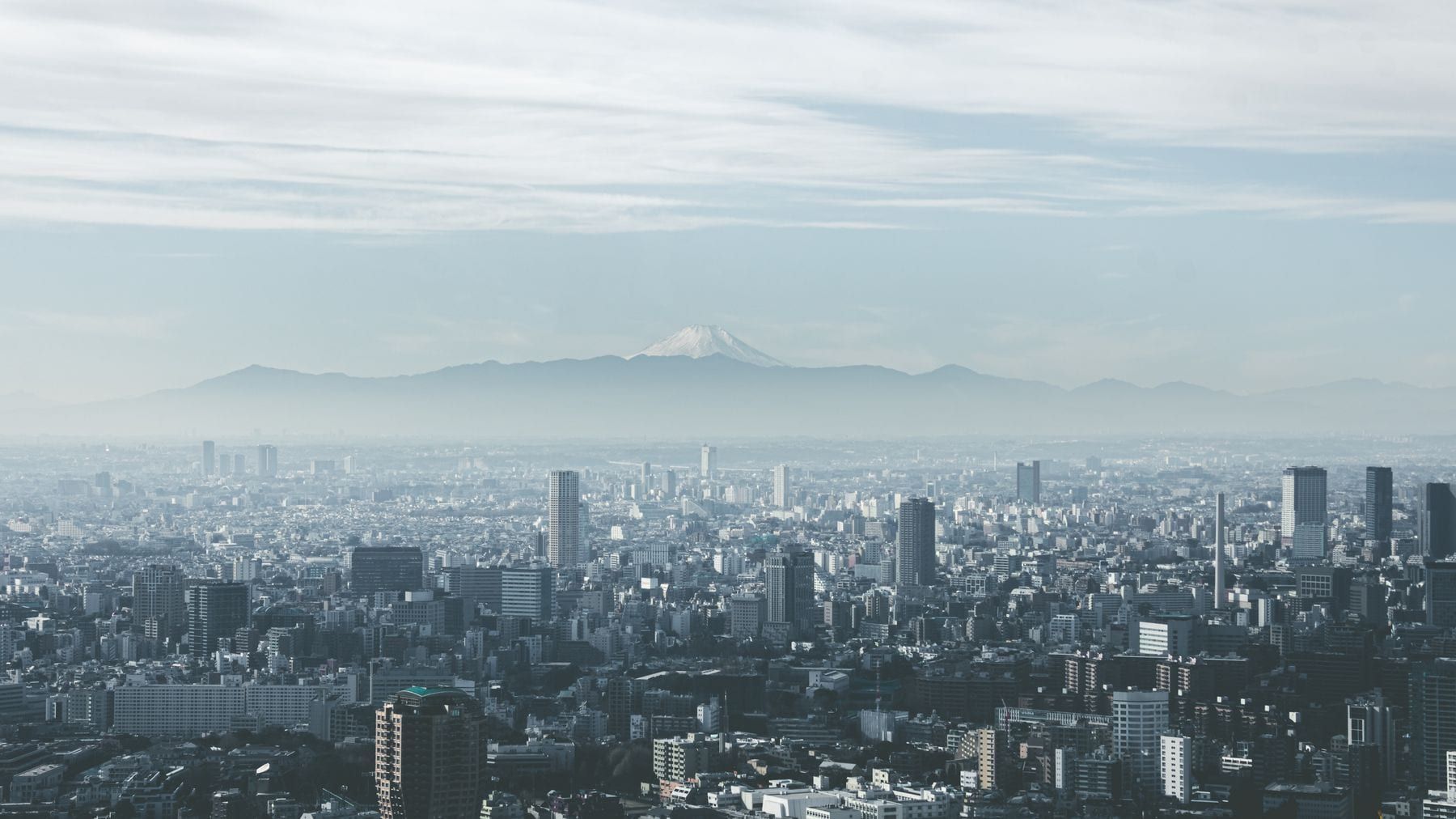
    You land at Haneda or Narita, load a Suica onto your phone and head to Shinjuku, where you stay four nights in a business hotel: double room CHF 100 to 130 (about EUR 107 to 139), small, clean, with everything you need. Four days is the minimum for Tokyo, because half of the first one goes to jet lag. Day 2 belongs to the east: Senso-ji in Asakusa before 8 am, then Ueno and Akihabara in the evening. Day 3 to the west: Meiji Shrine, Harajuku, Shibuya Crossing at dusk, an izakaya in Shinjuku. Day 4 stays free for teamLab, the Tsukiji Outer Market for breakfast or a day trip to Kamakura. Breakfast comes from the konbini, lunch is CHF 8 in a ramen shop, which leaves money for a good dinner. On to Hakone: from Shinjuku on the Odakyu regional train, 90 minutes to Odawara, then the Tozan railway to Gora, all included in the Hakone Free Pass. The Romancecar costs a CHF 7 supplement and saves 20 minutes.

    Tours at this stop: Food tour at the Tsukiji Outer Market ↗teamLab Planets ticket ↗

    Open the Tokyo travel guide →
  2. Day 5

    Hakone: the loop and your first ryokan night

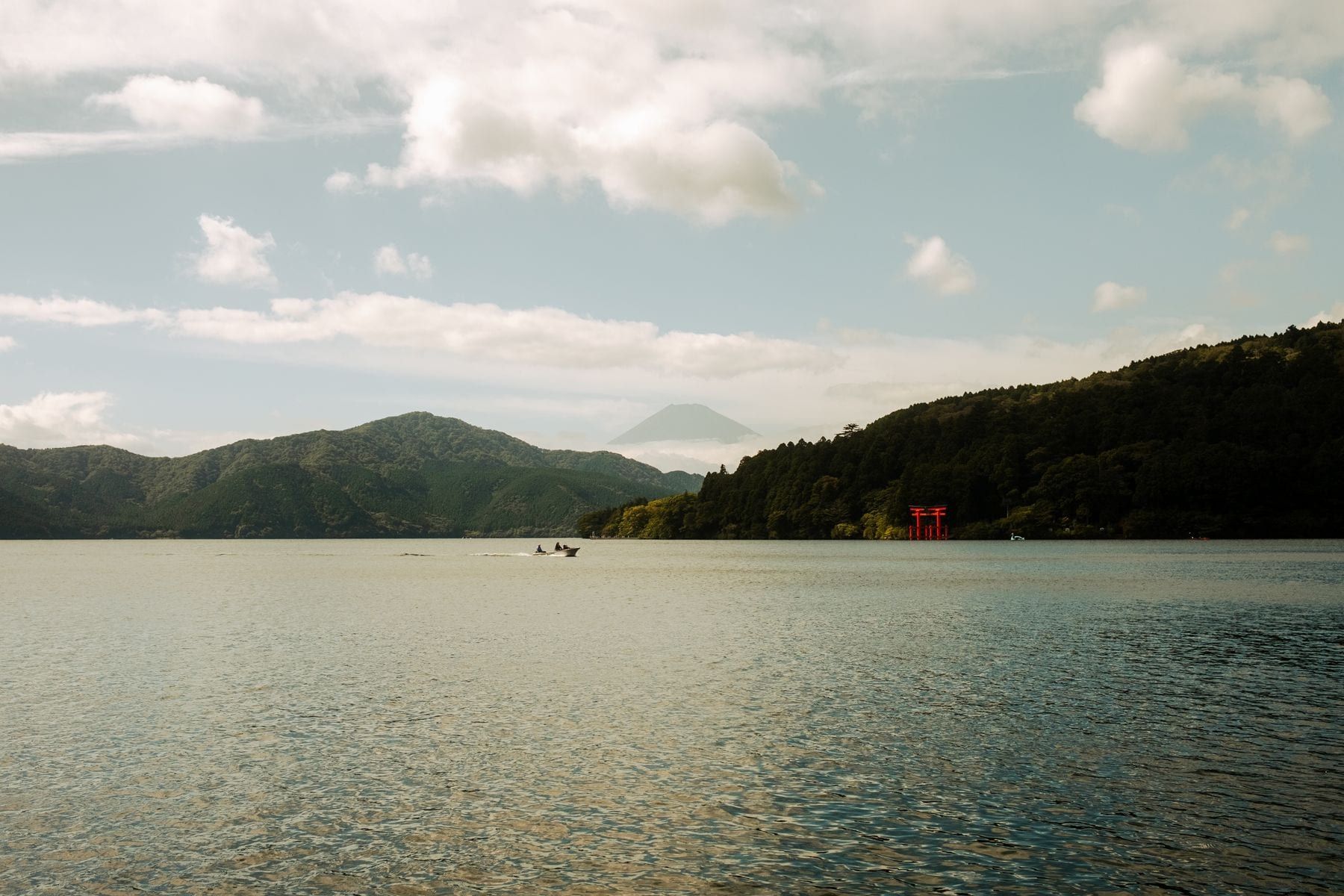
    Hakone is your first ryokan night, and that is exactly what this stop is for. Send your big luggage ahead to Kyoto by Takkyubin from the hotel the evening before (CHF 15, about EUR 16, per suitcase) and do the loop with a light daypack: Tozan railway, funicular, cable car over the sulphur vents of Owakudani, pirate ship across Lake Ashi, bus back to Gora. Fuji shows itself on around 40 percent of days, most likely in the morning, so do not count on it. Check-in at the ryokan in Gora or Miyanoshita from 3 pm: CHF 250 to 400 for two with kaiseki dinner and breakfast, onsen included. That sounds expensive, but set against the meals it is fair, since such a dinner costs CHF 80 to 150 on its own. Put on the yukata, bathe before dinner, then once more before bed. On to Kyoto: Tozan railway to Odawara, there onto the Hikari Shinkansen, 2 hours 10 minutes, around CHF 75 with a seat reservation.

    Tours at this stop: Hakone day tour with Fuji viewpoints ↗

    Open the Hakone travel guide →
  3. Day 6 to 9

    Kyoto: four days with a bicycle and an alarm clock

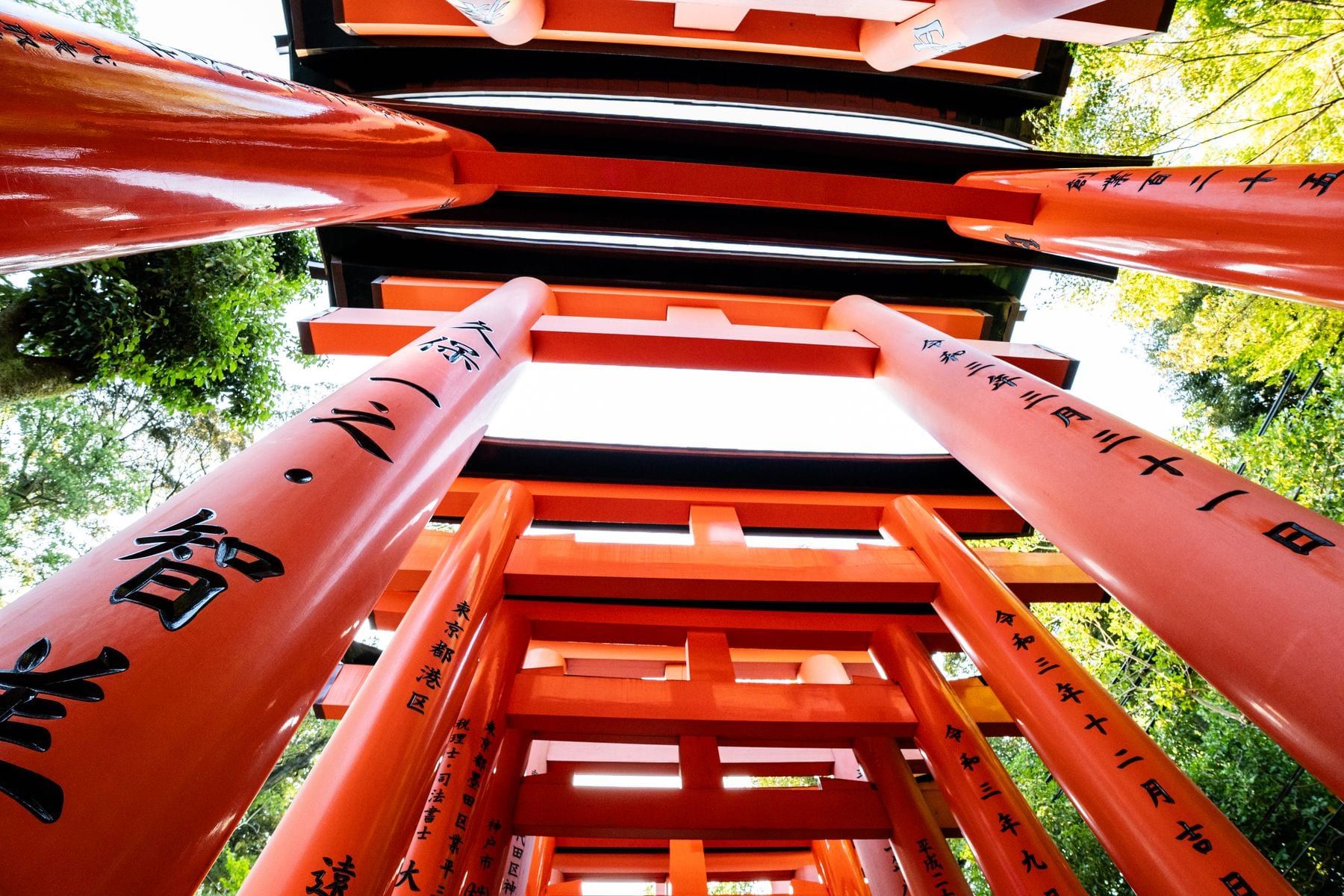
    Four nights in Kyoto, and the trick is getting up early. Stay in a machiya or a business hotel between Karasuma and Kawaramachi and rent a bicycle on the first morning for CHF 8 (about EUR 9) a day. Day 6: arrival, Nishiki Market in the afternoon, Pontocho in the evening. Day 7: Fushimi Inari at 6.30 am, then Tofuku-ji, Gion in the afternoon, Kiyomizu-dera only after 4 pm, when the groups leave. Day 8: Arashiyama before 8 am with the bamboo grove and Tenryu-ji, then Kinkaku-ji and Ryoan-ji in the north west. Day 9: Philosopher's Path, Ginkaku-ji, Nanzen-ji, and deliberately nothing in the afternoon. Kyoto is overrun, you will notice, but with this rhythm you rarely queue. Kaiseki costs CHF 40 at lunch instead of CHF 120 in the evening, the best money saving tip in the city. On to Nara: Kintetsu Limited Express from Kyoto in 35 minutes for CHF 8, get off at Kintetsu-Nara right by the park.

    Tours at this stop: Fushimi Inari and Arashiyama in the early morning ↗Tea ceremony in Kyoto ↗

    Open the Kyoto travel guide →
  4. Day 10

    Nara: deer, the Great Buddha and an empty park

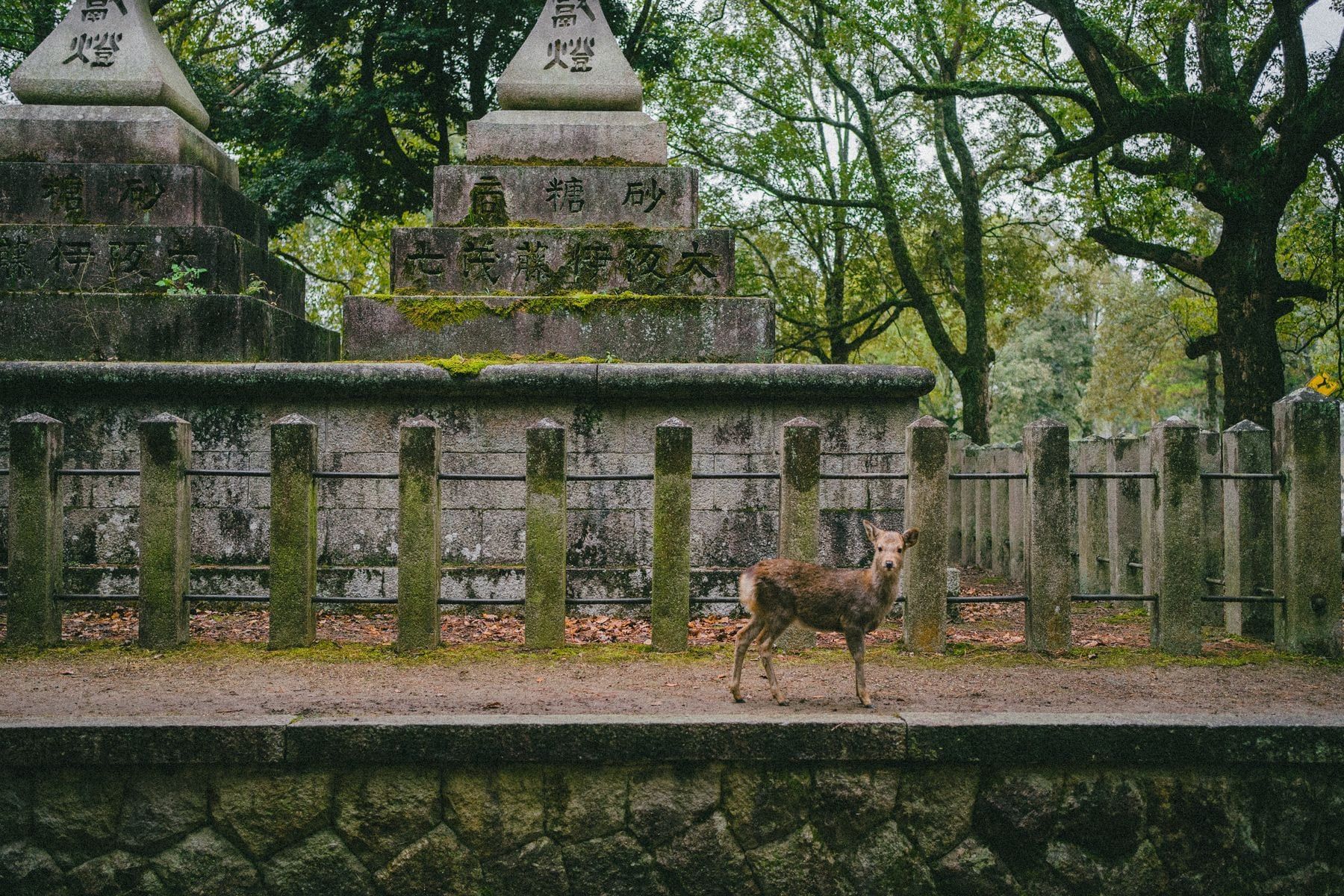
    Most people do Nara in four hours from Kyoto; you stay one night, and that is the difference. Drop your bags at a hotel in Naramachi or by the Kintetsu station, business hotel from CHF 60 (about EUR 64) for two, then into the park: Kofuku-ji with its five storey pagoda, Todai-ji with the Great Buddha (CHF 4 entry, expect school classes), Kasuga-Taisha with its stone lanterns through the forest. The deer bow for crackers, which you buy for CHF 1.30, and they shove when you are too slow: hold the crackers up, show empty hands, done. From 5 pm the buses leave, and you have the illuminated Kofuku-ji and the deer at dusk almost to yourself. In the evening Naramachi, the old town of wooden houses, sake breweries and small restaurants, with kakinoha sushi wrapped in persimmon leaves for dinner. On to Osaka: Kintetsu express from Kintetsu-Nara to Osaka-Namba, 40 minutes, CHF 4, no supplement.

    Tours at this stop: Nara walking tour with Todai-ji and Kasuga-Taisha ↗

    Open the Nara travel guide →
  5. Day 11 to 12

    Osaka: eat, laugh, fly home

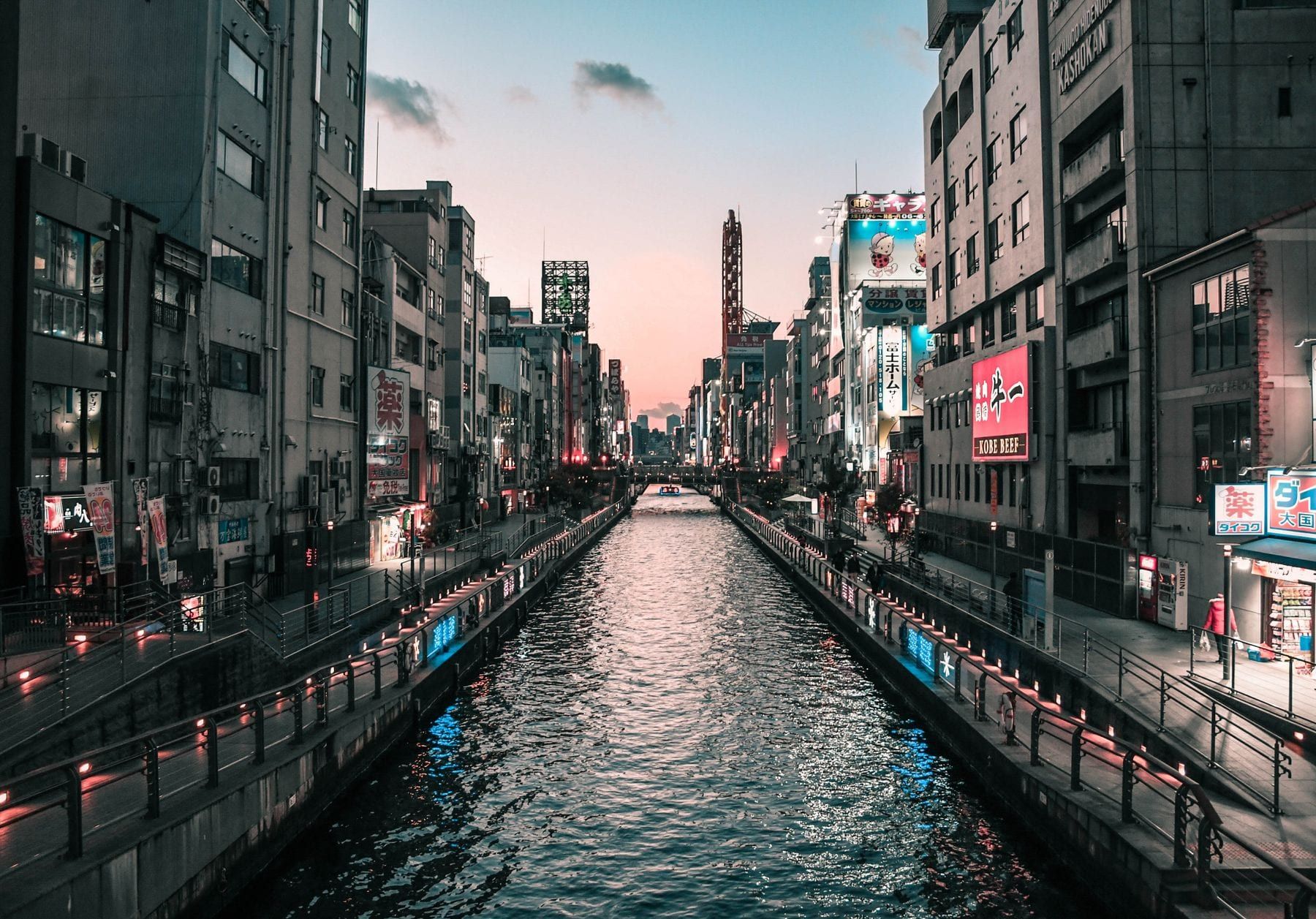
    Osaka at the end is the right call, because the city is loud and after Kyoto you want loud, and because Kansai Airport is on the doorstep. Stay in Namba, business hotel from CHF 90 (about EUR 96) for two, everything within walking distance. Day 11: Osaka Castle in the morning, Kuromon Market for lunch, Shinsekai in the afternoon with kushikatsu and the Tsutenkaku tower, Dotonbori in the evening, but eat one alley over in Hozenji Yokocho. Takoyaki, okonomiyaki, kushikatsu, in that order and spread over two evenings, otherwise you will not manage. Day 12: journey home. For a morning flight take the Nankai Rapi:t from Namba, 40 minutes to Kansai Airport for CHF 9, or the ordinary Nankai express for CHF 6. If you fly in the evening, there is still time for the Umeda Sky Building or one last market. Spend the remaining Suica balance at a konbini and keep the card for next time.

    Tours at this stop: Street food tour through Dotonbori and Shinsekai ↗

    Open the Osaka travel guide →

If you book through these links we earn a small commission, at no extra cost to you.

What the route costs

Rough total per person for the whole route, mid-range, travelling as a pair. Flights and hotels vary by season; details are on the destination pages.

  • Getting there 1,070 EUR
  • Accommodation 835 EUR
  • Food 556 EUR
  • Local mobility 289 EUR
2,750 EUR
Total per person · 12 days

Money & payment: You pay in yen (JPY). 1,000 yen is roughly CHF 6 or EUR 6.50. Cards work in cities and hotels; small restaurants, temples and rural stations often want cash. An IC card (Suica or ICOCA) on your phone pays for trains, buses and convenience stores.

Tips for the route

You can reverse the route and start in Osaka if the flight to Kansai is cheaper. Tokyo then comes last, with the drawback that you reach the most expensive city with the emptiest wallet. For the Fuji view in Hakone the direction makes no difference; for jet lag Tokyo is the better start: you have konbini and metro on the doorstep and nothing to plan on the first day.

Do the Japan Rail Pass sums honestly: Odawara to Kyoto costs CHF 75 (about EUR 80), Kyoto to Nara and on to Osaka CHF 12 together, the airport train CHF 10. That is around CHF 100 of rail for the whole route. The 7 day pass has cost around CHF 300 since 2023, and it is valid neither on Kintetsu nor on the Odakyu line to Hakone. Buy single tickets, the Shinkansen online via SmartEX or at the machine.

Book hotels in Kyoto first, then the rest. During cherry blossom (late March to mid April) and in November prices double and good places are full months ahead. You also need the ryokan in Hakone early, especially for Saturday nights. Tokyo and Osaka have so many business hotels that you can still find a good, affordable room three weeks out.

Send your big luggage ahead with Takkyubin: every hotel and every konbini accepts suitcases, and they are waiting at the destination hotel the next day, CHF 12 to 18 (about EUR 13 to 19) each. On the Golden Route this pays off from Tokyo to Kyoto, because you then travel through Hakone with just a daypack. On the Shinkansen there is space for large suitcases only behind the last rows of seats, and you must reserve those seats.

The cheapest good time to travel is mid January to the end of February: clear, cold, dry, Fuji visible almost daily, Kyoto hotels at half the spring price. If you want cherry blossom, you pay for it in prices and crowds. June is the rainy season, July and August are hot and humid, but with festivals like the Gion Matsuri in Kyoto. October is pleasant and still ahead of the autumn leaves rush.

Carry cash, even though cards work in hotels and chains: temples, small restaurants and the buses in Kyoto want yen. ATMs in every 7-Eleven and at the post office take Swiss cards. There is no tipping, not even in the ryokan. Nobody makes phone calls on the train, on escalators Tokyo stands on the left and Osaka on the right, and nobody eats while walking.

Frequently asked questions about Golden Route

Are twelve days enough for the Golden Route?

Yes, with twelve days you have four days in Tokyo, four in Kyoto and one to two each for Hakone, Nara and Osaka without rushing. With ten days you cut one night in Tokyo and one in Kyoto. Under nine days the route becomes a sightseeing checklist, so better to do only Tokyo and Kyoto.

When is the best time to go?

Late March to mid April for cherry blossom and mid November for autumn leaves are the most beautiful weeks, but also the fullest and most expensive. May and October are the best compromise. January and February are cold but clear, cheap and with the best Fuji views. Avoid June to September if you cope badly with heat and rain.

Do I need a hire car?

No. The Golden Route is the best served rail corridor in Japan: Shinkansen between the cities, metro in Tokyo and Osaka, bicycle and bus in Kyoto, the Hakone Free Pass for the loop. A car would be more expensive and slower than any alternative in Tokyo and Kyoto, and parking costs CHF 20 to 40 (about EUR 21 to 43) a night.

What does the Golden Route cost for twelve days?

Budget around CHF 2,550 to 2,700 (about EUR 2,730 to 2,890) per person: flight CHF 900 to 1,200, eleven mid range nights as a couple around CHF 780, food CHF 520 and trains on the ground CHF 270. That includes one ryokan night with half board in Hakone. Frugally with hostels and konbini you manage on CHF 2,000; with luxury hotels CHF 5,000 is quickly reached.

Is Japan safe, and how do I get by without Japanese?

Japan is among the safest countries in the world to travel; lost wallets end up at the police station. Stations and trains are signed in English, Google Maps shows platform and carriage, and a translation app handles the rest. A few words like "sumimasen" (excuse me) and "arigato gozaimasu" (thank you) open doors.

How can I shorten or extend the route?

Shorter: Hakone and Nara as day trips without an overnight stay, which makes nine days. Longer: add two days in Hiroshima and Miyajima after Kyoto (Shinkansen 1 hour 40 minutes), or a day in Kamakura between Tokyo and Hakone. With 16 days you add Kanazawa and Takayama and take in the Alps arc.

More itineraries through Japan